
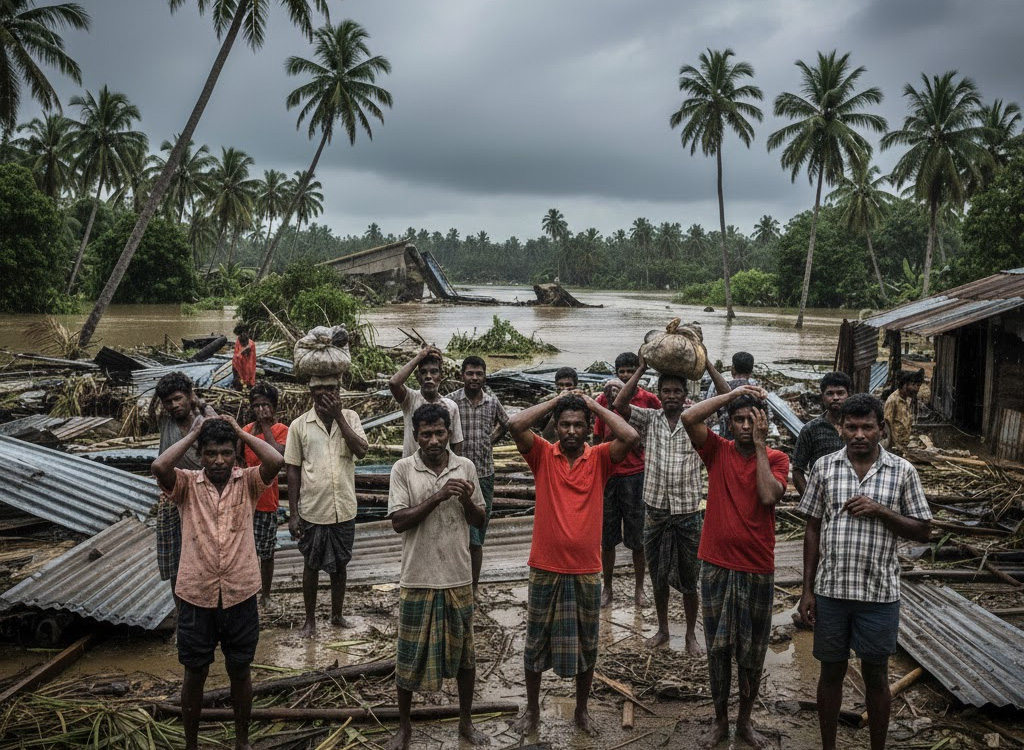
Cyclone Ditwah, which struck Sri Lanka in late November, has affected up to 374,000 workers and caused potential income losses of as much as US$48 million per month, a new brief by the International Labour Organization (ILO) shows.
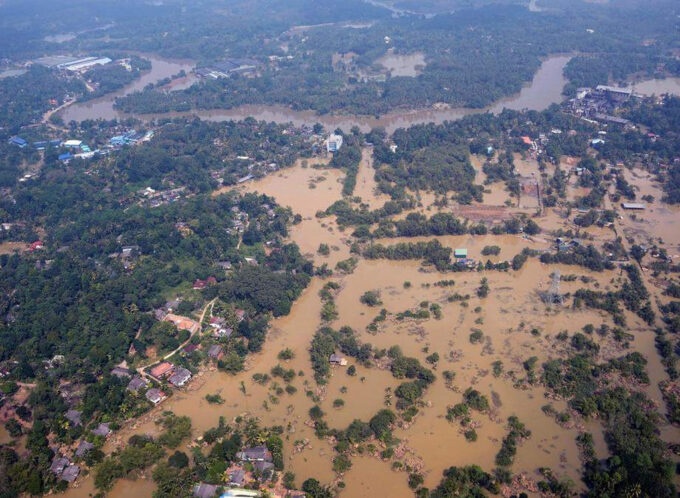
The ILO report highlights severe flooding and landslides across Northern and Eastern districts, while central regions, including major tea-producing areas, experienced significant landslide damage.
Agriculture and fisheries were among the hardest-hit sectors, with up to 23% of rice-cultivating land inundated and preliminary estimates suggesting tea production losses could reach 35%, disproportionately affecting smallholder farmers.
To assess the impact, the ILO combined remote sensing data on flood extent, population, agriculture, and night-time lights with labour force survey data, providing a preliminary snapshot of conditions for workers in affected areas.
“If these workers are unable to work or find suitable employment elsewhere, potential earnings losses could reach US$48 million per month,” the brief said.
The ILO urges immediate livelihood restoration measures, including emergency cash assistance and employment-intensive early recovery programmes that uphold decent working conditions.
It also recommends targeted sectoral support, assistance to micro, small, and medium enterprises (MSMEs), and long-term strengthening of social protection systems to improve resilience against future disasters.
The analysis provides critical guidance for both emergency response efforts and medium-term interventions aimed at helping Sri Lanka’s workforce recover from the cyclone’s economic impact.












Leave a comment