
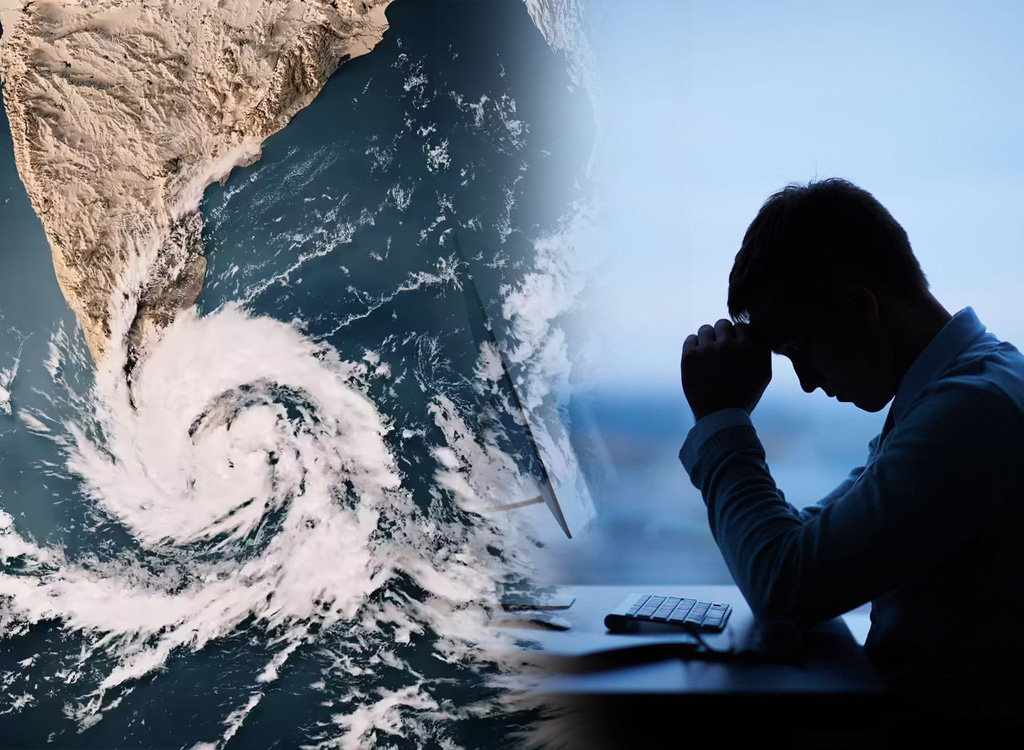
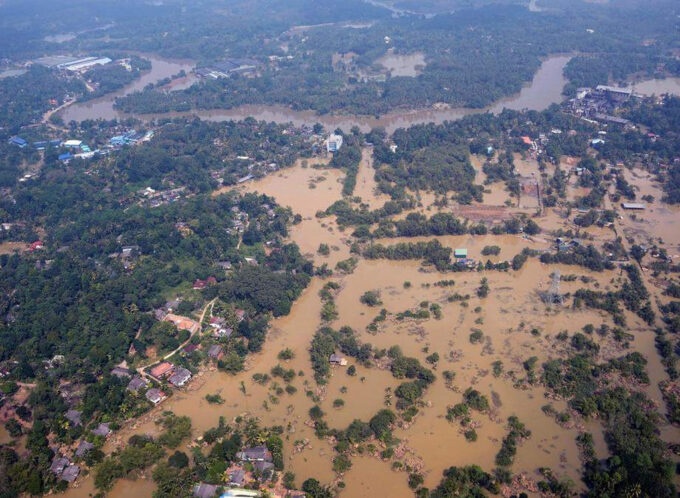
Cardiologist Dr. Gotabhaya Ranasinghe has warned that the risk of heart attacks and other cardiovascular emergencies can increase by around 40% following sudden disasters such as Cyclone Ditwah.
Dr. Ranasinghe explained that the loss of homes and loved ones during such events creates severe psychological stress, which can trigger heart disease.
Key contributing factors include heightened stress, elevated blood pressure, and increased heart rate.
Disruptions to regular medications, including blood pressure tablets, diabetes drugs, cholesterol-lowering medicines, aspirin, clopidogrel, and warfarin, can further raise the risk of cardiac complications.
He urged individuals to maintain their prescribed medications and seek immediate medical attention if any heart-related symptoms occur.
“Heart attacks after disasters can be triggered by multiple factors. High stress levels cause adrenaline surges, increased blood pressure, and faster heart rate, which may lead to plaque rupture and a heart attack. Sleep deprivation, fatigue, and interrupted medication even for a few days can be life-threatening,” Dr. Ranasinghe said.
Emergency food high in salt or sugar, alcohol, and smoking can worsen blood pressure, blood sugar levels, and fluid retention, further increasing the risk.
Vulnerable groups include heart attack survivors, elderly people, those with high blood pressure or diabetes, smokers, and individuals living with kidney disease.
Warning signs requiring urgent medical attention include chest pain, pressure, or tightness; shortness of breath; pain radiating to the jaw, neck, arm, or back; sudden nausea, sweating, or dizziness; palpitations or irregular heartbeat; and swollen legs or difficulty breathing while lying down.
To reduce cardiac risk, Dr. Ranasinghe advised survivors to continue medications, prioritize sleep, avoid alcohol and smoking, stay hydrated, and seek medical help early.
Emergency support is available through the Suwasariya Ambulance Service, which operates 24/7 at 1990, and the Sri Lanka STEMI Forum Hotline at +94 76 317 7312.







Leave a comment