
By The Pulseline News Desk
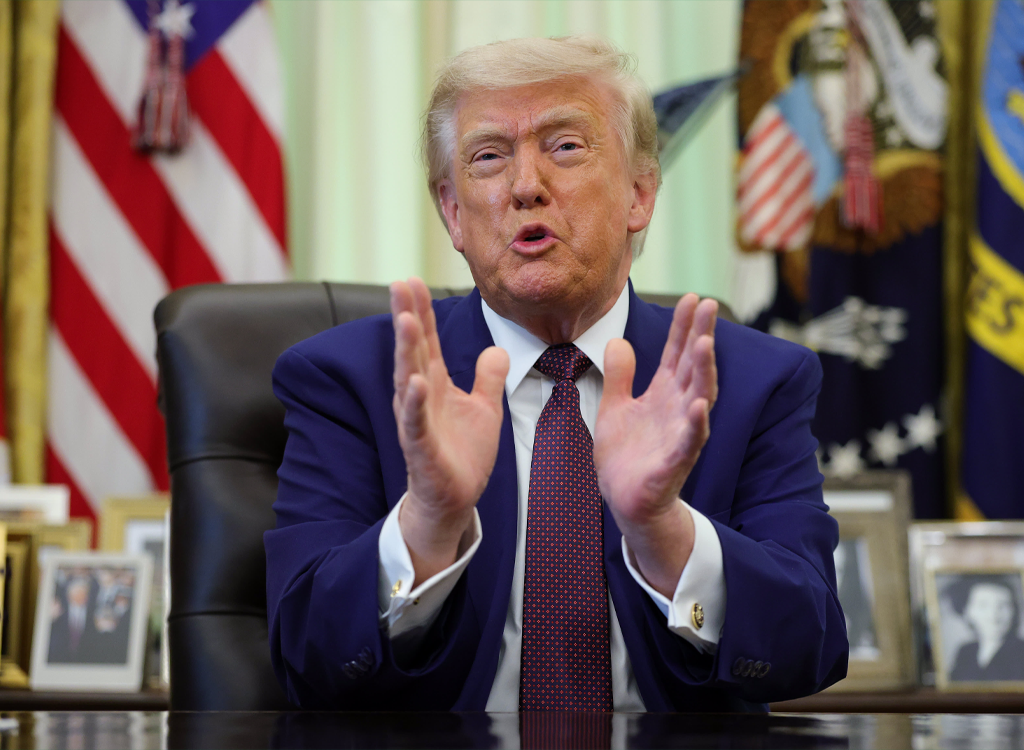
In a rare display of bipartisan resistance to presidential military authority, the U.S. House of Representatives voted Wednesday (3) to restrict President Donald Trump’s ability to continue military operations against Iran without explicit congressional approval, reviving a long-running constitutional debate over who has the power to take the nation to war.
The resolution, approved by a narrow margin after weeks of political maneuvering, reflects growing concern among lawmakers that the administration’s military campaign against Iran has expanded beyond the limits intended by Congress. Although the measure faces significant obstacles in the Senate and is unlikely to survive a presidential veto, its passage marks one of the strongest congressional rebukes of Trump’s foreign policy since his return to the White House.
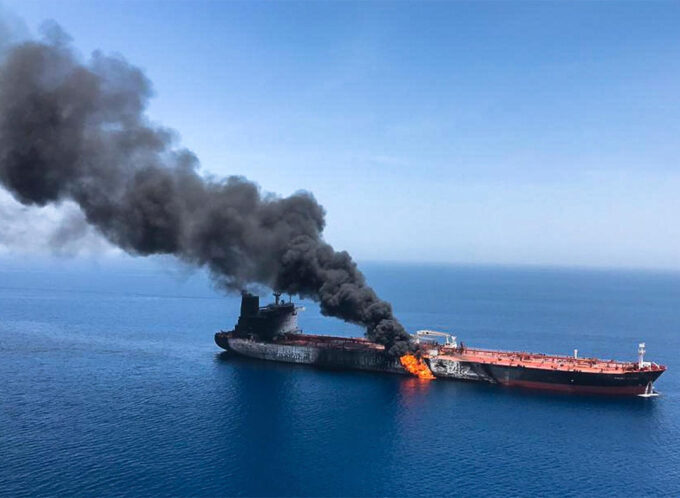
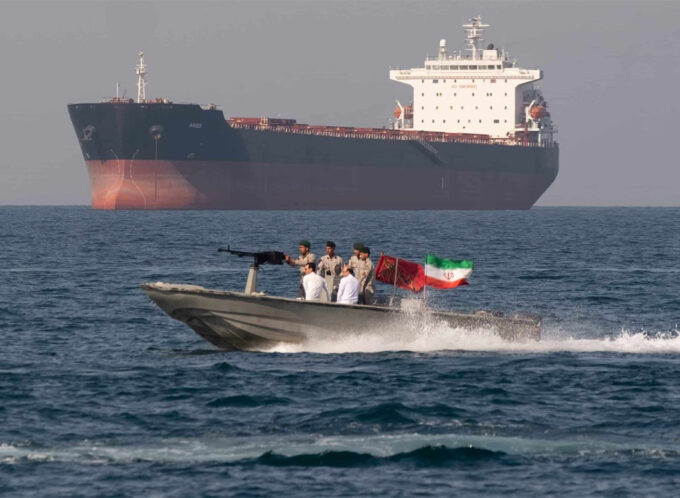
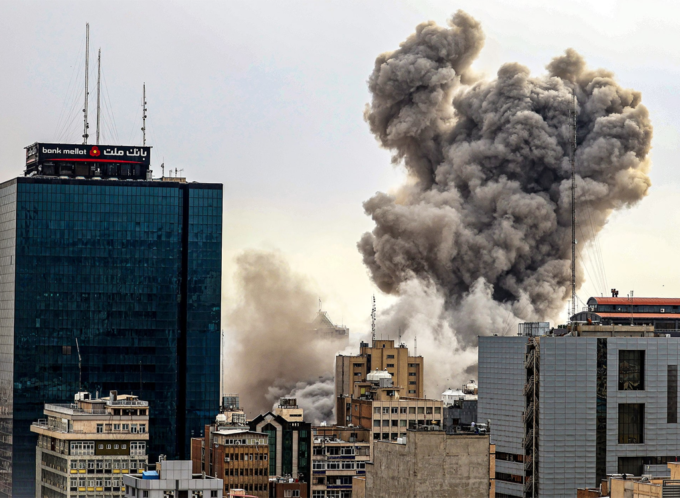
The vote comes amid mounting unease over a conflict that has steadily intensified since U.S. strikes against Iranian targets earlier this year. What began as a limited military operation has evolved into a broader confrontation, raising fears of regional escalation and drawing renewed scrutiny from lawmakers wary of another prolonged American military engagement in the Middle East.
For supporters of the resolution, the issue extends beyond the particulars of the Iran conflict. At stake, they argue, is the constitutional balance of power between Congress and the presidency.
The U.S. Constitution grants Congress the authority to declare war, yet modern presidents of both parties have increasingly relied on executive powers to conduct military operations abroad. Since the Vietnam era, lawmakers have repeatedly sought to reassert their role in decisions involving armed conflict, often with limited success.
“This is about Congress fulfilling its constitutional responsibility,” one Democratic lawmaker said during debate on the House floor. Supporters argued that sustained military action against Iran should require formal authorization from elected representatives rather than unilateral presidential action.
The administration and its allies countered that restricting presidential authority during a period of heightened tensions could undermine national security and weaken America’s ability to respond quickly to threats. White House officials have defended the military campaign as necessary to deter Iranian aggression and protect U.S. interests and allies in the region.
Yet the vote revealed cracks within the president’s own party. Several Republicans broke ranks to support the measure, reflecting broader concerns about the strategic objectives, costs, and potential consequences of an open-ended conflict.
The political backdrop is equally significant. Americans have grown increasingly skeptical of long-term military commitments overseas, particularly after two decades of costly interventions in Iraq and Afghanistan. Rising energy prices and economic uncertainty have further heightened public attention to developments in the Middle East, where instability can have immediate global repercussions.
Analysts say the House vote may signal a broader shift in congressional attitudes toward military intervention. While lawmakers have often deferred to presidents during international crises, there is growing bipartisan interest in reclaiming authority over decisions that could draw the United States deeper into armed conflict.
The resolution itself would require the withdrawal of U.S. forces from hostilities involving Iran unless Congress formally authorises military action or declares war. Even if it ultimately fails to become law, the measure serves as a powerful statement of congressional intent and highlights the increasing political challenges facing the administration’s Iran strategy.
The battle now moves to the Senate, where supporters hope to build momentum for similar legislation. Whether they succeed remains uncertain. What is clear, however, is that the debate over war powers – dormant at times but never fully resolved – has returned to the center of American politics.
As tensions with Iran continue to test U.S. foreign policy, Congress has sent a message that many lawmakers believe decisions of war and peace cannot rest solely in the hands of the president. The House vote may not end the conflict, but it has reopened a fundamental national conversation about the limits of executive power and the role of democratic oversight in matters of war.









Leave a comment