

Iran’s top leadership has reportedly issued new strategic instructions to its armed forces, signaling a possible recalibration of military posture at a time of heightened regional instability in the Middle East.
According to Iranian state-linked media reports, Supreme Leader Mojtaba Khamenei recently held a high-level briefing with senior military officials, including Major General Ali Abdollahi, who heads the Khatam al-Anbiya Central Headquarters – Iran’s joint military command structure.
During the meeting, Abdollahi is said to have updated the Supreme Leader on the operational readiness of Iran’s armed forces. In response, Khamenei reportedly issued what Iranian outlets described as “new guiding measures” intended to strengthen strategic coordination and reinforce national defense preparedness.
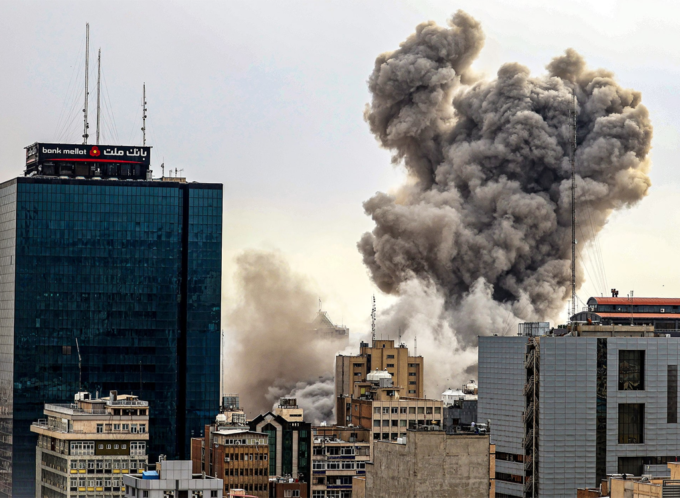
The briefing comes at a sensitive moment for Iran, as tensions remain high across the region involving the United States (US), Israel, and Iran-aligned groups operating in multiple conflict zones.
Iranian officials quoted in domestic media said the country’s armed forces remain fully prepared to respond to any external aggression. Abdollahi warned that any hostile action would be met with a “swift and decisive response,” reflecting Tehran’s continued emphasis on deterrence.
The Khatam al-Anbiya Central Headquarters, which plays a central role in Iran’s military command structure, coordinates operations between the army, the Islamic Revolutionary Guard Corps (IRGC), air defence forces, and other security branches. Any strategic directives issued through this command are considered highly significant in shaping Iran’s defense posture.
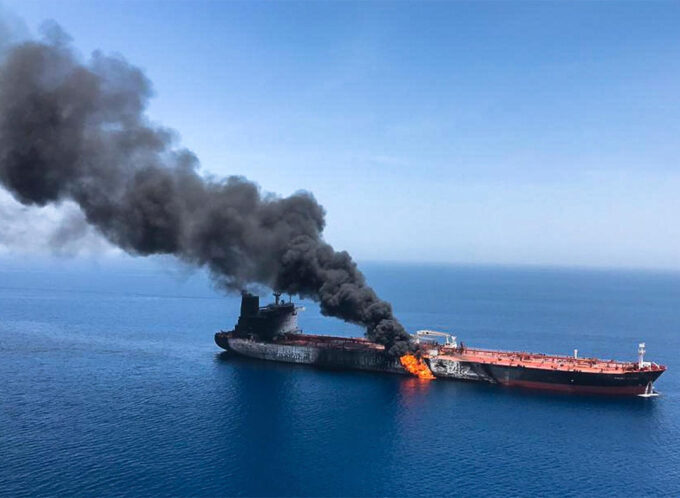
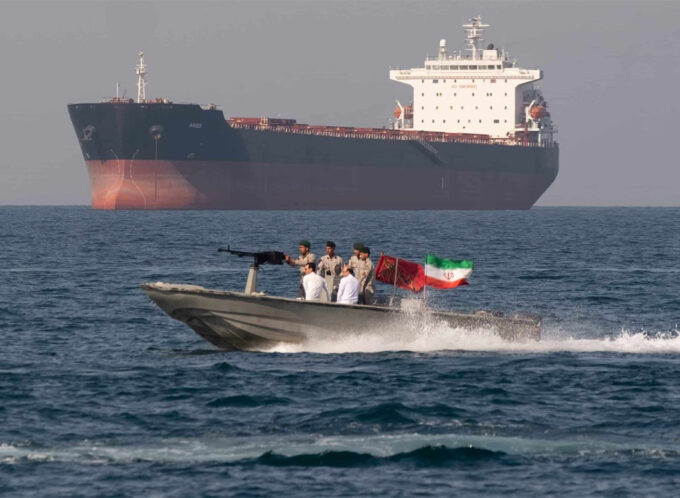
The latest developments also highlight ongoing efforts by Iran’s leadership to project stability and control amid sustained geopolitical pressure. Over the past year, Iran has faced a series of regional security challenges, including indirect confrontations with Israel, maritime tensions in the Red Sea, and continued friction with Western powers over its nuclear programme.
Analysts note that the reported “guiding measures” are likely aimed at reinforcing both military readiness and internal command cohesion, particularly as Iran continues to adapt its defense strategy in response to evolving threats.
Since taking on a more prominent leadership role following internal transitions within Iran’s political hierarchy, Mojtaba Khamenei has largely maintained a low public profile, relying on closed-door briefings and strategic consultations with senior military commanders. Despite limited public appearances, Iranian authorities maintain that he remains actively involved in core national security decisions.
The timing of the military briefing has drawn attention from international observers, who see it as part of Iran’s broader effort to signal strength and strategic continuity in a volatile regional environment.
At the same time, diplomatic channels between Iran and Western countries remain fragile, with intermittent talks failing to produce lasting breakthroughs on key issues such as sanctions relief and nuclear compliance.
For now, Iran’s latest military messaging underscores a dual approach: maintaining deterrence against perceived external threats while avoiding open escalation in an already volatile region.
As tensions continue to fluctuate across the Middle East, the strategic signals emerging from Tehran will remain closely watched by global powers assessing the risk of further conflict or potential diplomatic openings.









Leave a comment