
By The Pulseline News Desk
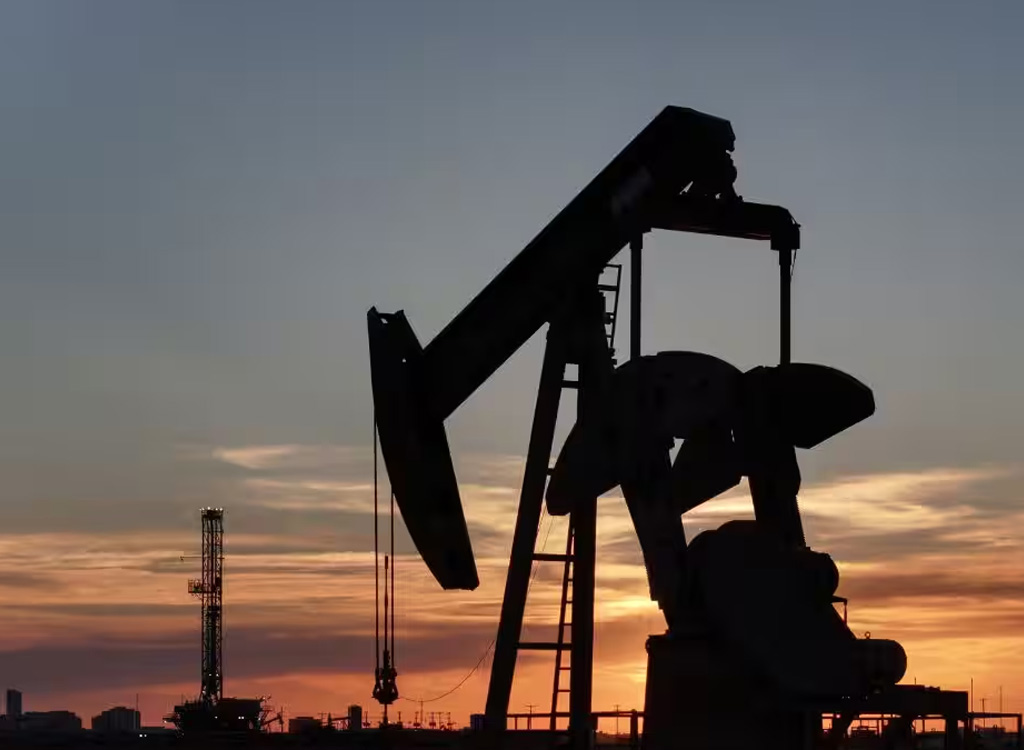
Global oil markets opened the week on edge as crude prices surged more than 2% following Israel’s decision to expand military operations in southern Lebanon, reigniting concerns about potential disruptions to energy supplies from the Middle East.
Brent crude futures climbed above $ 93 a barrel, while U.S. West Texas Intermediate (WTI) crude approached $ 90 a barrel in early Monday trading. The gains reversed losses recorded at the end of last week, when hopes of diplomatic progress between the United States and Iran had briefly eased market anxiety.
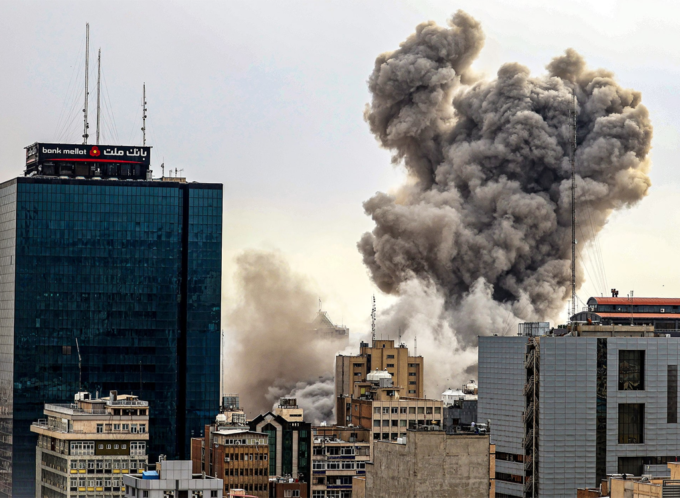
The latest rally was triggered after Israeli Prime Minister Benjamin Netanyahu ordered troops to move deeper into Lebanon in an intensified campaign against Hezbollah, despite a ceasefire that has formally been in place for more than six weeks. The renewed fighting has cast doubt on prospects for broader regional de-escalation and raised fresh questions about the stability of critical energy corridors.
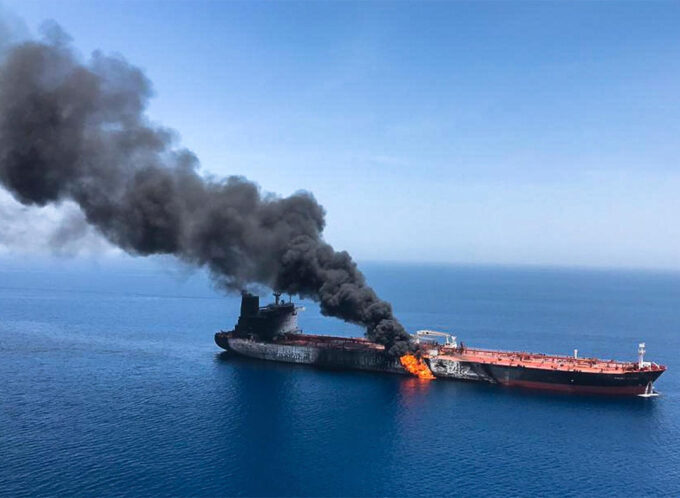
Energy traders reacted swiftly to the developments, viewing the military escalation as a renewed threat to oil flows from a region that accounts for a substantial share of global crude production and exports. Market participants remain particularly focused on the Strait of Hormuz, a strategic shipping route through which roughly one-fifth of the world’s oil and gas trade passes. Reports of additional Iranian mine deployments in the area have further heightened concerns about supply security.
“The market is once again pricing in geopolitical risk,” analysts said, noting that any prolonged conflict involving regional powers could tighten global supplies and keep prices elevated. While recent diplomatic efforts have sought to reduce tensions, the latest military developments suggest a durable settlement remains uncertain.
The rise in oil prices came despite signs of weakening demand from China, the world’s second-largest economy. Economic data released over the weekend showed sluggish factory activity and persistent export pressures, developments that would normally weigh on crude demand expectations. However, traders appeared more focused on supply-side risks than concerns about slowing consumption.
Financial markets across Asia reflected the mixed backdrop. While equities continued to draw support from optimism surrounding artificial intelligence and technology sectors, investors closely monitored developments in the Middle East for indications of further volatility in commodity markets.
For consumers and businesses, sustained increases in crude prices could translate into higher transportation and energy costs in the coming weeks. Economists warn that a prolonged period of elevated oil prices may also complicate efforts by central banks to contain inflation, particularly in economies still recovering from recent energy shocks.
As diplomatic channels remain active but fragile, markets are likely to remain highly sensitive to headlines from the region. For now, the renewed conflict in Lebanon has reminded investors that geopolitical tensions continue to exert a powerful influence over global energy prices.
(With input from news agencies)











Leave a comment