
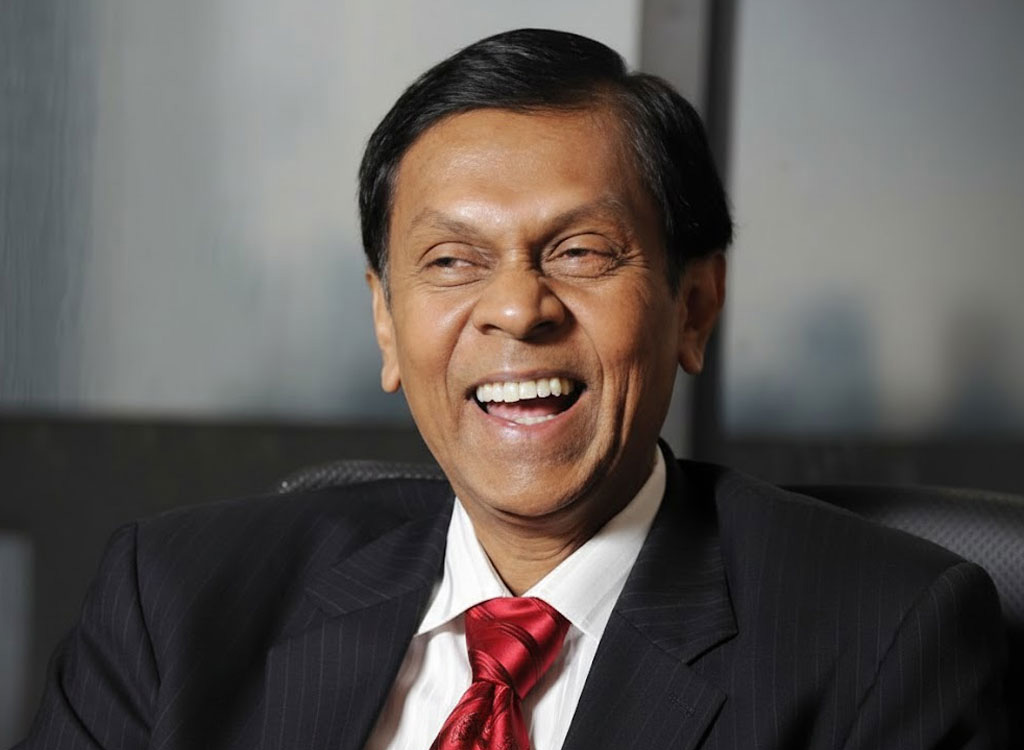
The Colombo High Court ordered the release of former Governor of the Central Bank (CBSL) Ajith Nivard Cabraal from the Greek Bond case.
The order was issued on Wednesday (10) by High Court Judge Mohammed Mihal after the Commission to Investigate Allegations of Bribery or Corruption (CIABOC) informed the Court of its intention to withdraw the indictment filed against the accused regarding the alleged loss of over Rs 1.84 billion to the State, under Section 67 of the Anti-Corruption Act.
Issuing a statement, CIABOC said that following a request made by Cabraal under Section 67(1), the Director General of the Commission agreed to the withdrawal, subject to the condition that Cabraal pays Rs 1,843,267,595.65 (Rs 1.84 billion) as compensation for the loss incurred.
This payment must be deposited into a designated account at the Central Bank of Sri Lanka within three months from yesterday (10).
The Commission warned that failure to settle this amount within the stipulated period would result in the reinstatement of legal action under Section 67(5) of the Act.
During the hearing, Deputy Solicitor General Asitha Anthony, appearing for the Bribery Commission, informed the Court that the prosecution did not wish to proceed with the charges.
Consequently, the Judge released Cabraal under the conditional terms of the Anti-Corruption Act.
Meanwhile, the Court ordered the full acquittal of the other accused officials — former Deputy Governor Dharmasena Dheerasinghe, Don Wasantha Ananda Silva, and H.A. Karunaratne — under Section 194(3) of the Code of Criminal Procedure.
The defence had previously raised preliminary objections, arguing that the investment in Greek Treasury bills in 2011 was carried out in strict accordance with Central Bank and Monetary Board regulations. President’s Counsel Dilan Ratnayake, representing the former CBSL Governor, had submitted detailed written representations to the CIABOC Commissioners on 12 November, outlining legal grounds for his client’s innocence.
President’s Counsel Nalin Ladduwahetty had raised objections regarding the prosecution’s failure to provide 31 essential documents, including a statement by the original complainant, former MP Sujeewa Senasinghe.
The case, initially filed in January 2024 and refiled in August, centred on allegations that State funds were invested in Greek bonds during the 2011 economic crisis despite known financial risks.
The Anti-Corruption Act, No. 9 of 2023, serves as the primary legal framework for investigating and preventing bribery and corruption in Sri Lanka, designed to align domestic law with the United Nations Convention Against Corruption.
Section 67 of this Act specifically outlines the procedure for the withdrawal of indictments, offering a legal mechanism to conclude prosecution before a judgment is delivered by the High Court.
This provision empowers the Director General of the Commission to withdraw charges, provided that the move is sanctioned by the Commission and receives permission from the High Court.
The Director General is legally required to weigh several critical factors, including the national and public interest, the perspectives of any victims involved, and representations made by the accused or their legal counsel.
This process also allows for a conditional withdrawal rather than an outright acquittal. Under the Act, the Commission may impose specific terms that must be fulfilled within a set period.
These conditions can range from a public expression of remorse and apology before the Court to providing reparations to victims.
Additionally, the accused may be required to undertake that they will refrain from committing future offences under the Act or accept a permanent ban from holding any elected or appointed public office.











Leave a comment