

Sri Lanka received early warnings about Cyclone Ditwah from the Indian Meteorological Department (IMD) as early as November 13, Indian media reports have revealed, though the country faced significant challenges in mounting an effective response.
According to The Indian Express, the IMD first predicted the formation of a depression on November 13 and issued an alert for possible cyclogenesis on November 20.
From November 23, three-hourly and six-hourly updates were shared, indicating the system’s likely development around November 26.
All information was reportedly communicated to Sri Lankan authorities through routine channels.
Despite these early alerts, Sri Lanka struggled to respond due to structural and logistical limitations.
“The country does not have an elaborate evacuation mechanism that can relocate hundreds of thousands of people at short notice,” the report said.
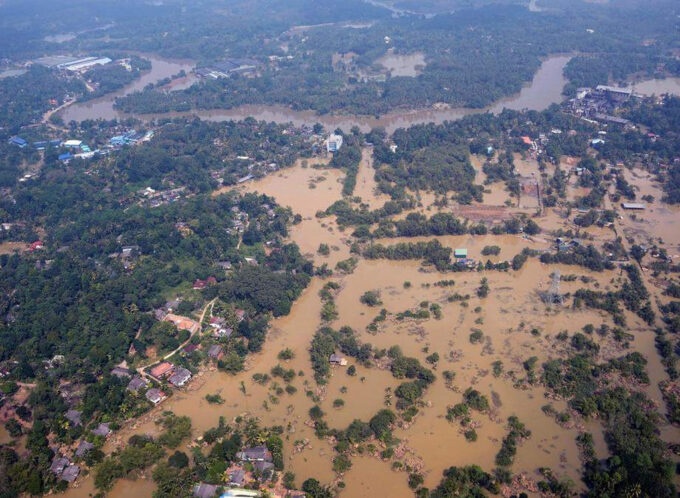
The eastern coast’s terrain, coupled with exceptionally heavy rainfall—400 mm in 24 hours over three consecutive days in a concentrated area—triggered landslides, flooding, and coastal inundation, causing most of the cyclone-related damage.
Cyclone Ditwah formed in an unusual area south of Sri Lanka, a region rarely affected by such storms.
Unlike India, Sri Lanka has little historical experience with cyclones, which left authorities less prepared to mitigate the storm’s impact.
The cyclone moved northwards along the coastline rather than over land, prolonging its effects and exacerbating damage.
“Ditwah was classified as a ‘cyclonic storm,’ the second weakest of four cyclone categories based on wind speeds.
Historically, very few cyclones have affected Sri Lanka, and their frequency is low,” said Mrutyunjay Mohapatra, Director General of the IMD.












Leave a comment