
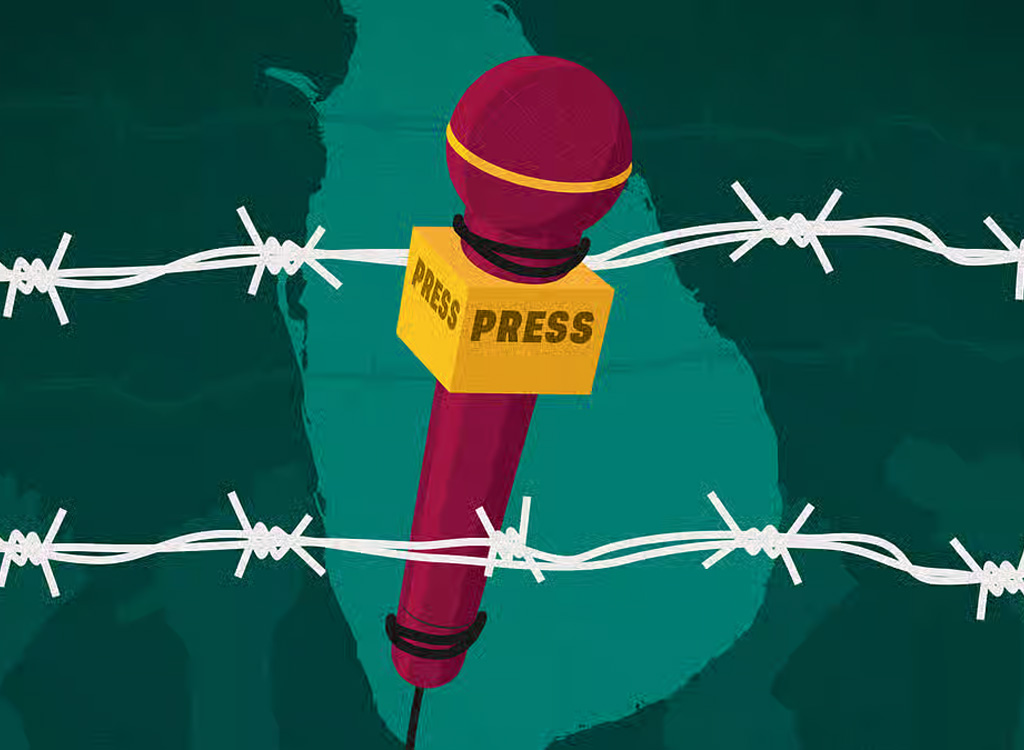
A journalists’ association has accused the government of attempting to suppress press freedom, raising concerns over an increasing use of police powers against reporters and media organisations.
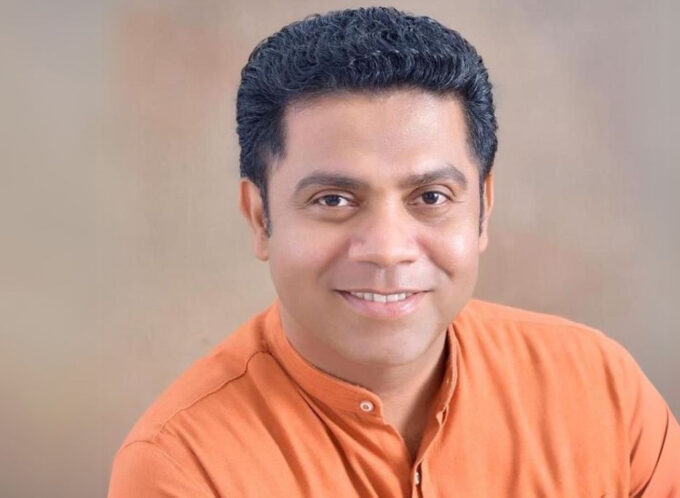
The Sri Lanka Working Journalists’ Association (SLWJA) said police had summoned investigative journalist Tharindu Jayawardena for questioning in connection with his reporting, while also seeking to revoke the broadcasting licence of a major television network.
According to the SLWJA, Jayawardena has been instructed to appear at the Gampola police station on 26 December to give a statement over a complaint linked to his investigative work. His reporting alleged fraud and corruption connected to the Ambuluwawa Biodiversity Complex and related institutions.
In another case, the SLWJA said the Sri Lanka Police had asked the Telecommunications Regulatory Commission of Sri Lanka to cancel the broadcasting licence of the Hiru Media Network.
The move followed a news report on a cannabis raid that included allegations of an assault on a police officer and reported links between the ownership of the plantation and individuals connected to the ruling National People’s Power (NPP) government.
Police have reportedly claimed the broadcast amounted to misinformation.
However, the journalists’ association said both cases amounted to unlawful interference in independent journalistic activity.
It pointed out that any disputes over accuracy should be addressed through established professional, regulatory or legal processes, rather than police intervention.
“These actions indicate an attempt to intimidate journalists and media institutions that do not yield to political pressure,” the SLWJA said in a statement.
The association said the incidents reflected a broader pattern over the past 15 months of what it described as increasing restrictions on media freedom and the constitutional right to freedom of expression under the NPP-led government.
It said a government that came to power promising to protect press freedom was now displaying authoritarian tendencies.
The SLWJA called on the authorities to halt efforts to expand a “police-state approach” to media regulation, urging instead stronger protections for editorial independence and journalistic ethics.
It also appealed to civil society groups and individuals to oppose what it said was growing state interference in the media.





Leave a comment