
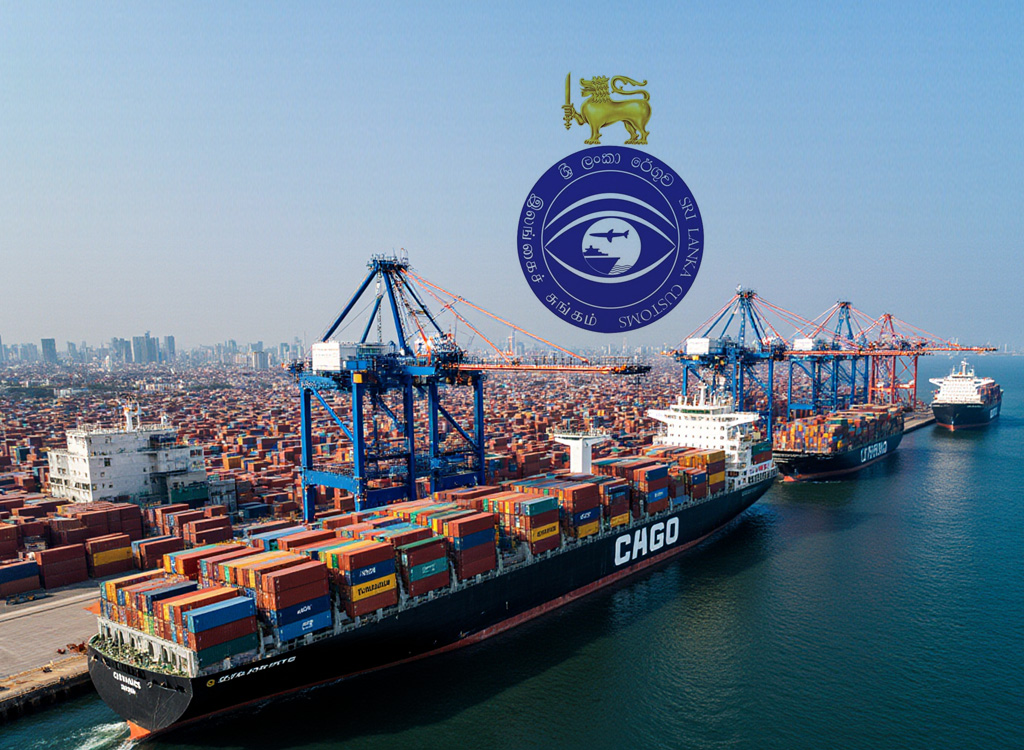
Severe congestion at the Port of Colombo has raised concern over possible delays to humanitarian assistance arriving after Cyclone Ditwah, with trade representatives warning that relief shipments are being caught in bottlenecks even as Sri Lanka Customs insists aid is being cleared without delay.
An estimated 3,000 to 4,000 containers are currently backed up at the port, including about 400 consignments believed to contain humanitarian aid, according to the Customs House Agents and Traders’ Association (CHA).
The group says emergency relief from international donors has faced delays of up to five days, potentially hampering post-disaster recovery efforts.
Customs, however, has strongly rejected claims that relief cargo is stuck.
Director General of Sri Lanka Customs Seevali Arukgoda said there was “not a single relief consignment stagnating or delayed” at the harbour and that all disaster-related shipments were being given priority clearance.
“Flood relief cargo is not in the queue. If any delays were reported to me, I would immediately take action,” Arukgoda said, adding that about 60 relief containers had arrived so far.
He said a special task force under his supervision was handling relief cargo and that such shipments were taken directly for examination.
CHA Chairman Mohamed Niyas painted a different picture, noting that congestion was significantly affecting both commercial cargo and humanitarian aid.
He said a mechanism that previously fast-tracked containers during periods of congestion had been suspended following controversy surrounding the release of 323 containers and problems with scanning equipment.
“It is not only commercial cargo that is being affected. Humanitarian aid entering the country is also getting stuck, which undermines the efforts of donor countries when aid does not reach recipients on time,” Niyas said.
He said aid consignments, despite their urgent nature, were being subjected to the same queues and examination procedures as regular imports.
Niyas also noted that Customs would only be aware of containers for which customs declarations, or CusDecs, had been processed, and not of relief cargo still lying within port terminals.











Leave a comment