
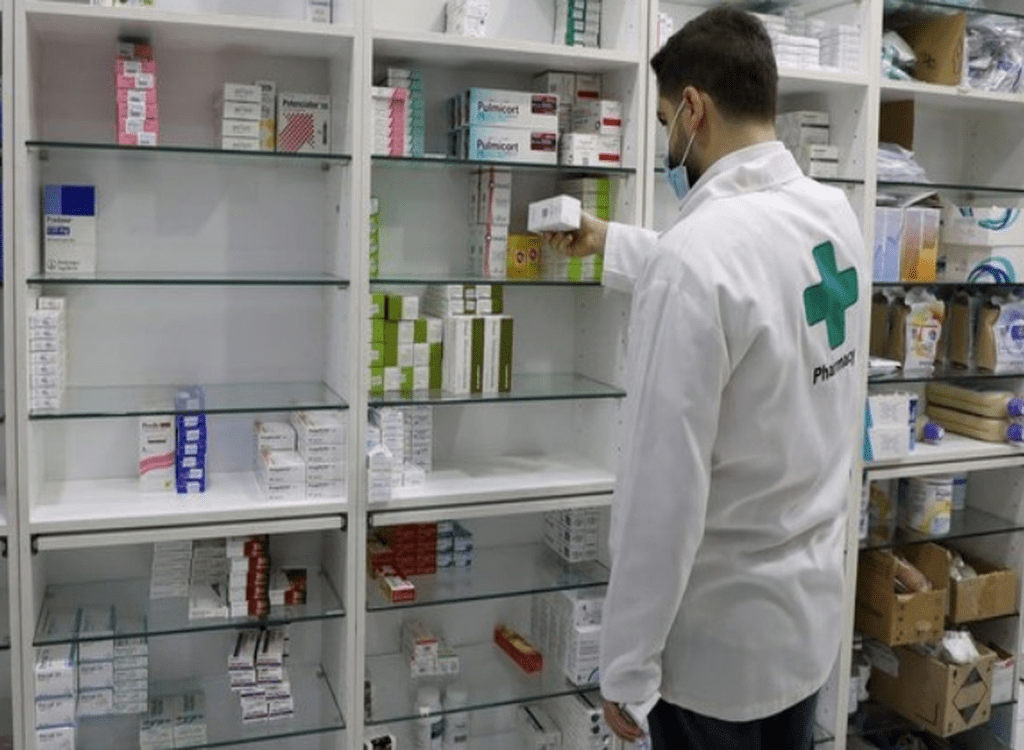
A severe shortage of life-saving antibiotics and essential medications is threatening patient care across Sri Lanka, according to a warning issued by the Doctors’ Trade Union Alliance for Medical and Civil Rights. The group has raised alarms over the growing difficulty in accessing key drugs, particularly in regional and base hospitals.
Speaking at a press conference in Colombo, Dr. Chamal Sanjeewa, president of the alliance, cited data from the Ministry of Health’s Medical Supply Unit, which confirms critical deficits in several high-potency antibiotics.
Among the medicines in short supply are Flucloxacillin, Co-Amoxyclav, Cefuroxime, Cefotaxime, Ceftriaxone, Ceftazidime, Amikacin, and Vancomycin. In addition to antibiotics, essential drugs such as the anaesthetic Lignocaine and Streptokinase which are crucial medication for heart attack patients are also reportedly difficult to obtain.
“These are not ordinary drugs. They are powerful antibiotics and essential emergency treatments. Their unavailability can directly impact patient survival, especially in critical care settings,” he said.
While some of these medications are technically still present in the broader hospital network, logistical barriers are preventing facilities experiencing shortages from accessing them. As a result, patients from rural or remote regions are being forced to travel long distances to receive basic treatment, a situation Dr. Sanjeewa described as both avoidable and deeply concerning.
Further compounding the crisis is a worsening shortage of insulin, cholesterol-lowering drugs, and medications for heart disease which are staples in the management of chronic and life-threatening conditions. Dr. Sanjeewa noted that the situation has deteriorated steadily over the past six months.
He urged President Anura Kumara Dissanayake to intervene, warning that the Ministry of Health and the State Pharmaceuticals Corporation have thus far failed to take decisive action. “If this trend continues, we are facing a scenario where the lack of medicine, not the illness itself, could cost lives,” he cautioned.










Leave a comment