

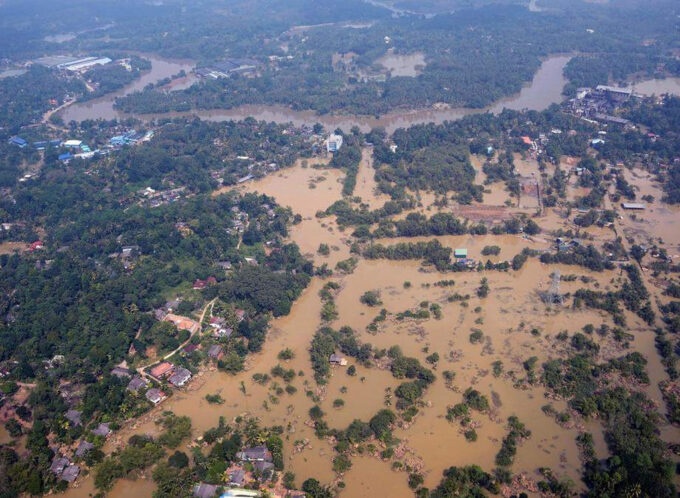
Health authorities are urging the public to take precautions against communicable diseases in the wake of recent flooding and disaster conditions across the country, the Epidemiology Unit said.
Dr. Athula Liyanapathirana, a consultant community physician with the unit, stressed the importance of safe drinking water and proper food hygiene to prevent outbreaks.
He advised residents to drink boiled water and to thoroughly clean, chlorinate, and disinfect wells contaminated by floodwater before use.
Food-borne illnesses are also a concern, Dr. Liyanapathirana said.
Cooked food should be prepared hygienically, consumed within four hours of cooking, and anyone suffering from diarrhea should avoid handling food.
He added that washing hands thoroughly before meals is essential to prevent contamination.
He also warned of an increased risk of leptospirosis, commonly known as rat fever, due to stagnant water and mud left by the floods.
Contaminated water can carry bacteria from the urine of rats, dogs, cattle, and pigs and can enter the body even through small cuts or wounds.
To reduce the risk of infection, authorities have distributed the antibiotic doxycycline to individuals exposed to floodwater.
Dr. Liyanapathirana advised an initial 200 mg dose immediately, followed by weekly doses for one week for those involved in cleanup or whose homes were submerged.
“Stagnant water and mud create very favorable conditions for the spread of leptospirosis,” he said. “Protective measures, including medication and hygiene, are crucial for all flood-affected residents.”











Leave a comment