
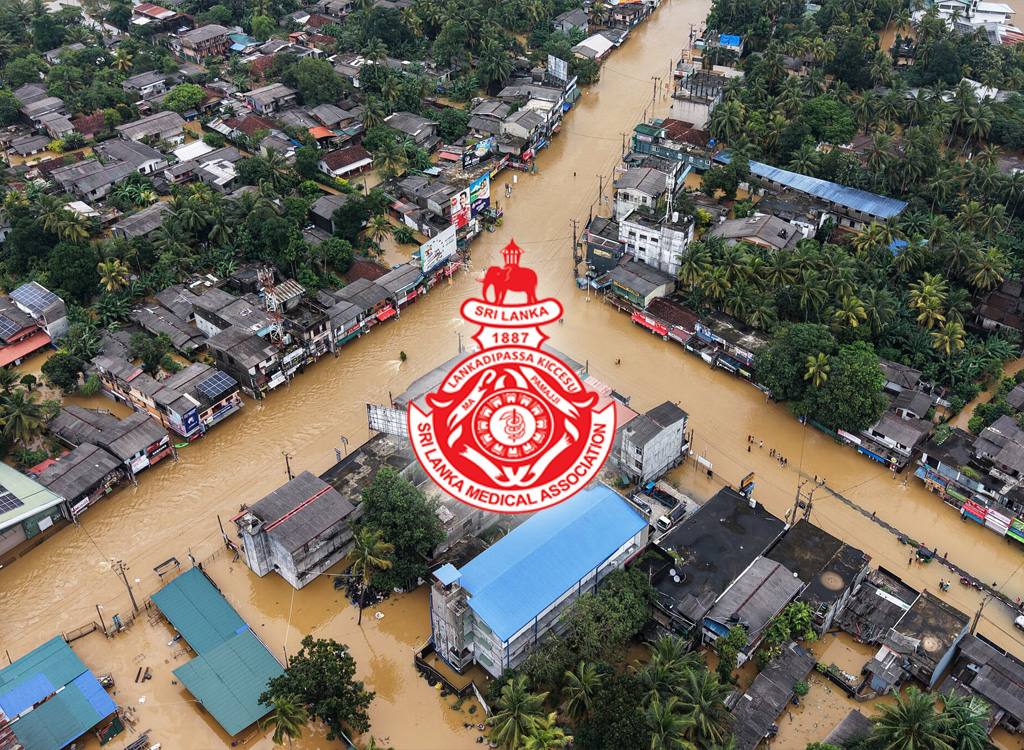
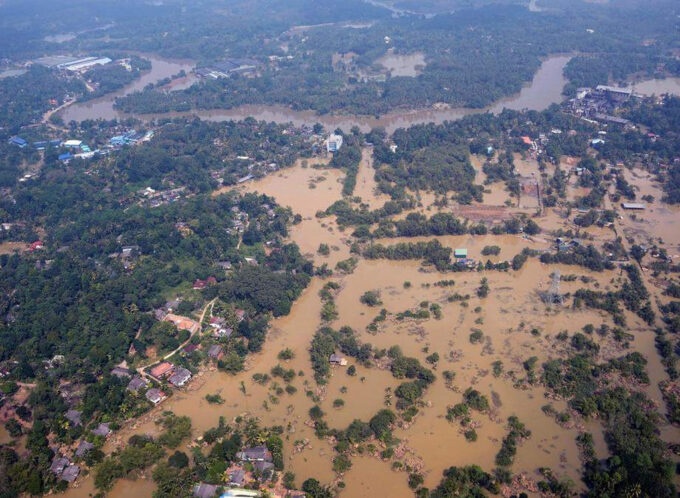
Sri Lanka could face a serious health crisis within the next two weeks if proper precautions are not taken, public health authorities warned, as the country continues to recover from recent floods.
At a media briefing held yesterday (02), the Sri Lanka Medical Association (SLMA) highlighted the risk of disease outbreaks, including diarrhea, jaundice, dengue fever, respiratory illnesses such as asthma, and various skin infections.
Chronic conditions like diabetes and high blood pressure were also cited as concerns for displaced and vulnerable populations.
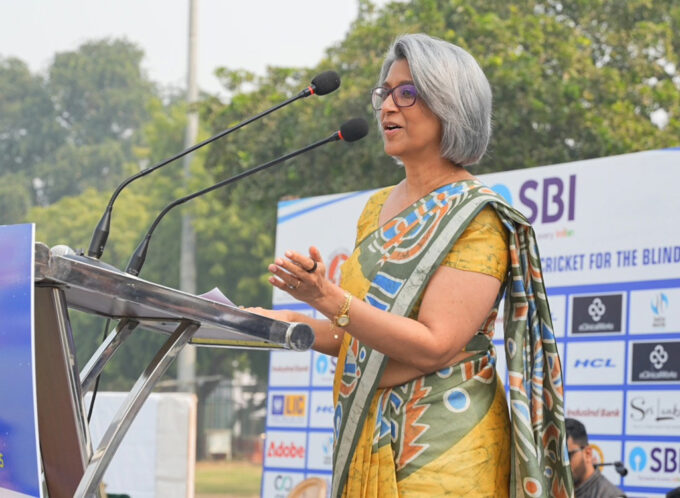
SLMA President Dr. Surantha Perera said the country’s hospital system is under severe strain, though the Health Ministry is working to restore essential services, including electricity and road access.
“There has been no report of an epidemic at present and there is no need to be afraid. We urge the people to avoid an epidemic from occurring in the next two weeks by being extra cautious,” he said.
Dr. Perera stressed the importance of hygiene and sanitation to prevent post-flood disease.
He urged people to consume only cooked food when possible, drink boiled water, wash hands with soap, and properly dispose of plastic bottles and food containers.
Children and volunteers wading through floodwaters are particularly at risk from contaminated water and accumulated waste.
For those experiencing diarrhea, he recommended using oral rehydration salts such as Jeevani to prevent dehydration.
Patients with chronic illnesses should continue their medications, and attention must also be paid to mental health needs.
To provide guidance to affected communities, the SLMA has established an emergency hotline, 0777 119900, staffed by doctors across multiple specialties who can advise on health concerns.
“The messages we deliver must be very clear and accurate. We must also answer the questions people ask clearly and calmly to ensure their safety and well-being,” Dr. Perera said.








Leave a comment