
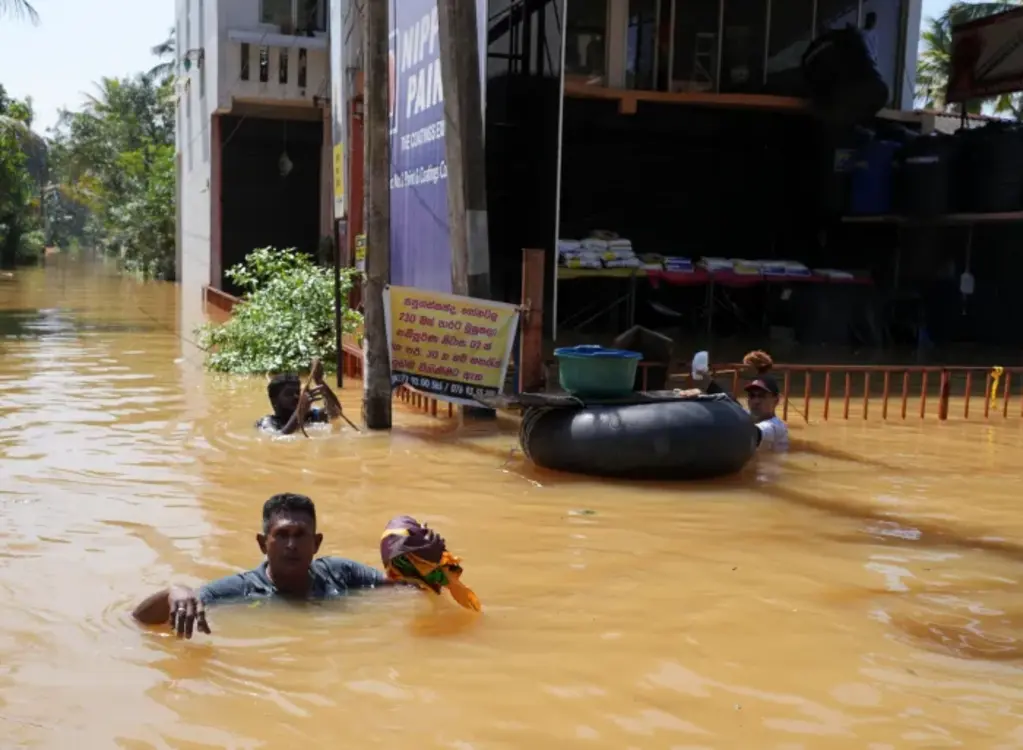
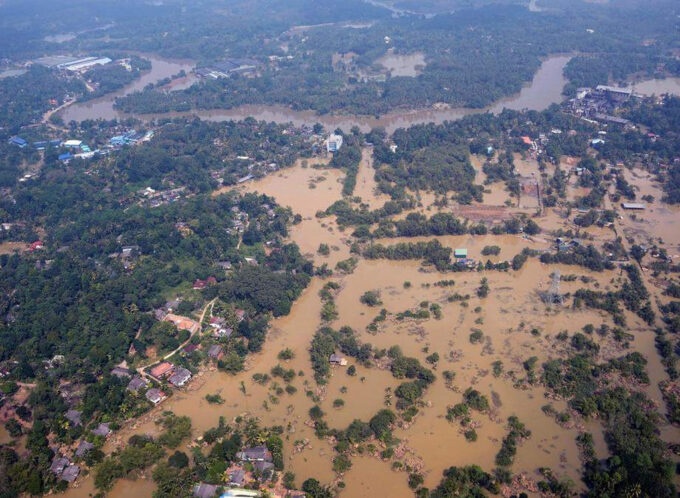
Sri Lanka faces an increased risk of dengue, chikungunya and leptospirosis in the days ahead as floodwaters recede and essential services remain disrupted, the Public Health Inspectors’ Union warned Wednesday.
Union Secretary Chamil Muthukuda said stagnant water and widespread displacement have created conditions conducive to vector-borne and waterborne diseases.
He added that noncommunicable disease patients are also at heightened risk, with treatment for diabetes, hypertension and cancer interrupted and many losing access to medication during the disaster.
“We in the health sector expect a possible risk of severe communicable diseases spreading in the coming days,” he said.
As health concerns rise, the National Water Supply and Drainage Board reported significant damage to water infrastructure.
Of 343 pumping stations across the country, 156 sustained partial or complete damage during the adverse weather, NWSDB Chairperson Chandana Bandara said.
Crews have restored 126 stations, while about 30 more remain under repair.
Water service to Kandy City has resumed at partial capacity, with full supply maintained to the Kandy National and Peradeniya Teaching hospitals.
The Meewathura station was expected to return to operation Wednesday, enabling distribution to Pilimathalawa and Geli Oya.
Restoration efforts have also begun at the Katugastota station, and authorities expect normal operations once all remaining inoperative facilities are repaired in the coming days.
The disruption extends to households. Of nearly 3 million domestic water connections nationwide, a substantial number were damaged in floods and landslides, Commissioner-General of Essential Services Prabath Chandrakeerthi said.
As of Wednesday, 387,964 connections remain offline. The hardest-hit districts include Kegalle (75.09%), Kandy (66.8%), Puttalam (52.82%) and Kurunegala (41.34%).
Officials urged the public to conserve water, noting that supply systems in several districts—including Kandy, Puttalam and Kurunegala—are still operating below normal capacity.
Flooding, road blockages, damaged pipelines, power outages, submerged intake points and equipment failures may delay full restoration for several days.
Retired NWSDB staff have volunteered to support repair crews.










Leave a comment