
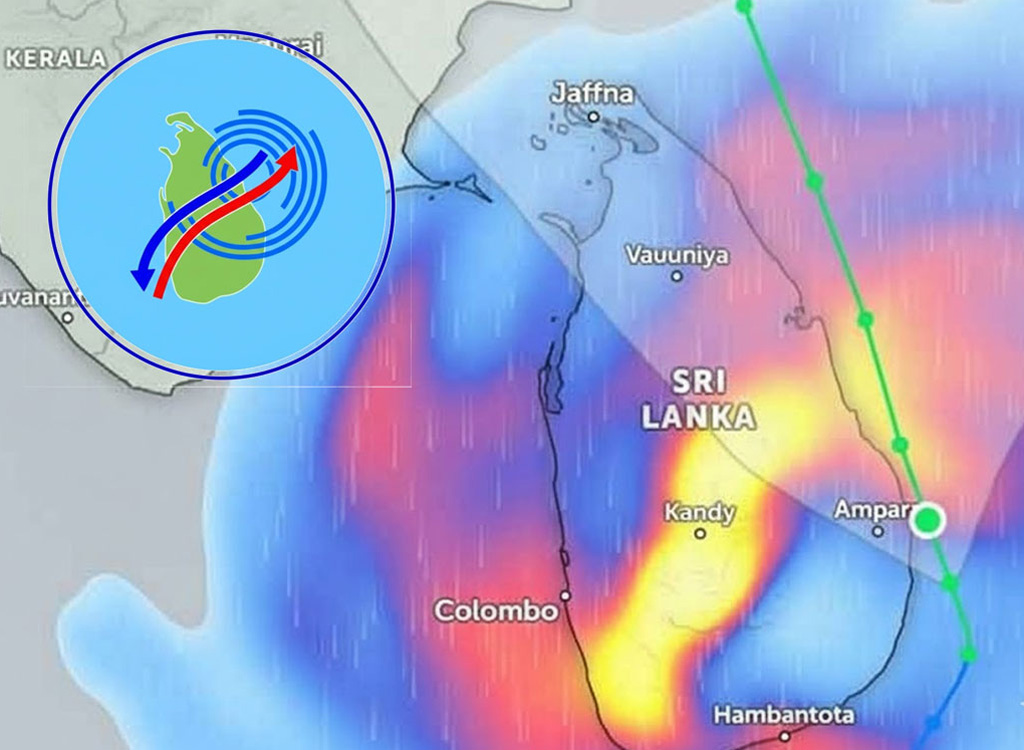
Sri Lanka’s meteorologists have rejected public criticism that official warnings ahead of Cyclone Ditwah were inadequate, saying alerts were issued in line with established procedures and helped save lives.
In a statement, the Sri Lanka Association of Meteorologists said officials at the Department of Meteorology acted according to Standard Operating Procedures in issuing timely warnings as the weather system developed.
The association said that those communications enabled naval and fishing communities to take precautionary measures ahead of the cyclone.
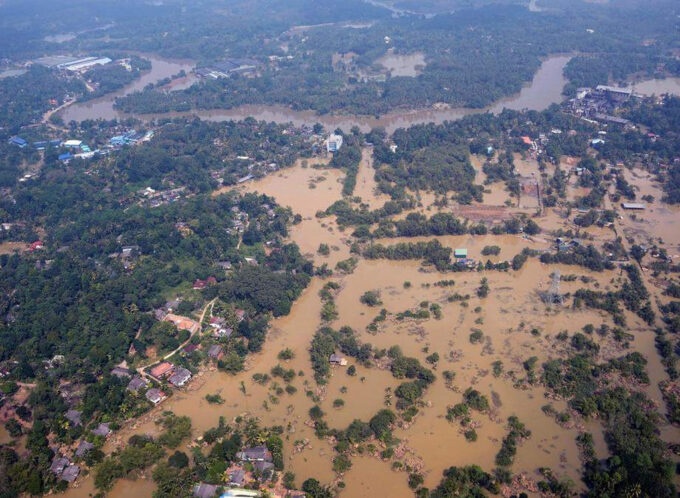
The defense comes amid growing public scrutiny of the department’s response to Cyclone Ditwah, which rapidly intensified and affected parts of the region.
Meteorologists highlighted that the cyclone was unusual due to its rapid development.
Observational data showed the system intensified from a low-pressure area into a storm in less than 12 hours, a phenomenon the association linked to the increasing effects of global warming.
Changing atmospheric dynamics have made rapid intensification of cyclones more common across several ocean regions, the statement said.
The association also called for improvements to Sri Lanka’s weather warning systems, noting that extreme and uncertain weather events require more advanced tools for accuracy.
Limitations within the current alert system are under review, it said.
According to the statement, meteorologists first identified atmospheric disturbances linked to Cyclone Ditwah on November 23.
That same day, information was shared with fishing and naval communities, along with a public notice warning of a possible low-pressure area near Sri Lanka around November 25.
As the system remained far from the island in the central Bay of Bengal, updated marine warnings were issued on November 24, including an “Amber” alert based on new data.
Meteorologists also informed the public and key stakeholders of potential weather developments as conditions continued to evolve.
The association rejected claims that India’s Meteorological Department had predicted the cyclone’s development as early as November 13.
Such assertions are false, it said, noting that no meteorological methods exist locally or globally to accurately predict cyclones several weeks in advance.
India’s Meteorological Department, which operates the Regional Specialized Meteorological Centre, first officially acknowledged the system’s initial development in a bulletin issued at 2:30 pm on November 23, 2025.
Sri Lanka’s Department of Meteorology followed with its own bulletin at 4 pm the same day after reviewing national and global data.
The statement added that the cyclone’s formation was officially declared by the regional center at 2:30 pm on November 27, 2025, with Sri Lanka’s Department of Meteorology issuing its update at 5 pm.











Leave a comment