

Financial strain and relentless pressure to succeed are taking a growing toll on the mental health of Sri Lankans, experts warn.
A recent survey shows that 74% of households have cut daily expenses, while one in three families is postponing medical care.
Household debt, including loans, microfinance, and credit cards, has doubled over the past decade, contributing to what psychologists describe as an “emotional suffocation.”
“What was once financial stress has now become emotional suffocation. Debt convinces people they are failing, even when they are fighting to survive,” said Tharani Karunaratne, a clinical and health psychologist.
Children are feeling the pressure early, with academic competition starting in Grade 1 and continuing through university entrance exams.
Digital culture amplifies stress, as students compare grades and achievements online while adults track career progress, incomes, and migration plans.
Doctors report rising physical symptoms tied to stress, including headaches, hypertension, stomach issues, panic episodes, and chronic fatigue.
Work pressures have increased amid shrinking teams and rising job insecurity, leaving employees checking messages late at night and struggling to disconnect from work.
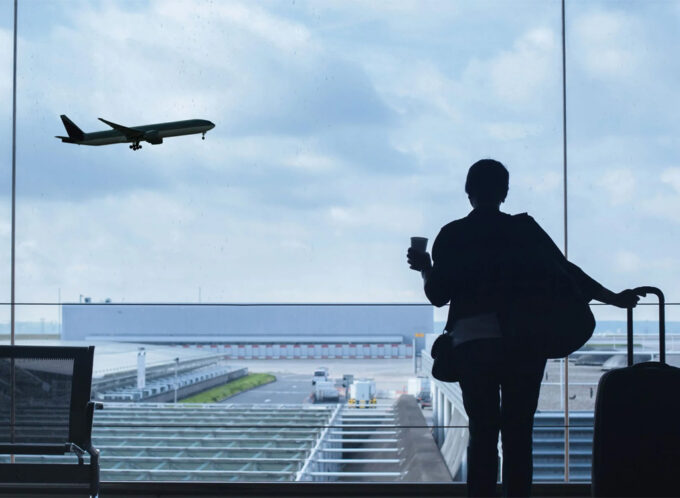
Migration adds another layer of pressure, with more than 300,000 Sri Lankans leaving the country in the past two years.
While overseas work can bring income, it often creates loneliness, family separation, and heightened expectations for success abroad.
School counsellors say children are exhibiting higher anxiety and sleep issues.
“Even without being told, they sense financial tension,” Karunaratne said. “Stress is becoming normal for an entire generation.”
Experts recommend practical steps to manage mental health, including device-free meals, fixed cut-off times for work emails, brief recovery breaks, and limiting social media use after 10 p.m. For workplaces, triaging tasks by urgency can help prevent cognitive fatigue.
“Don’t wait until mental distress becomes illness. Symptoms like poor sleep, chest tightness, panic, irritability, or withdrawal respond best to early intervention. Therapy is most effective when it’s preventative,” Karunaratne added.










Leave a comment