
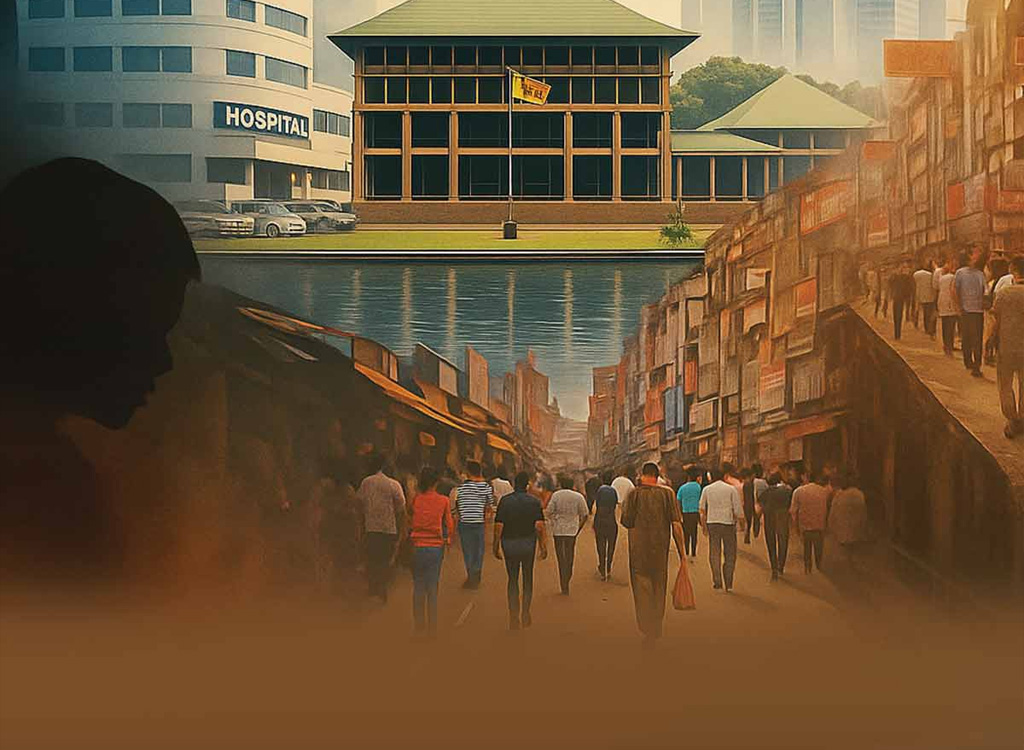
Sri Lanka’s current economic growth trajectory may fall short of creating enough jobs for the roughly one million people expected to enter the workforce over the next decade, the World Bank said.
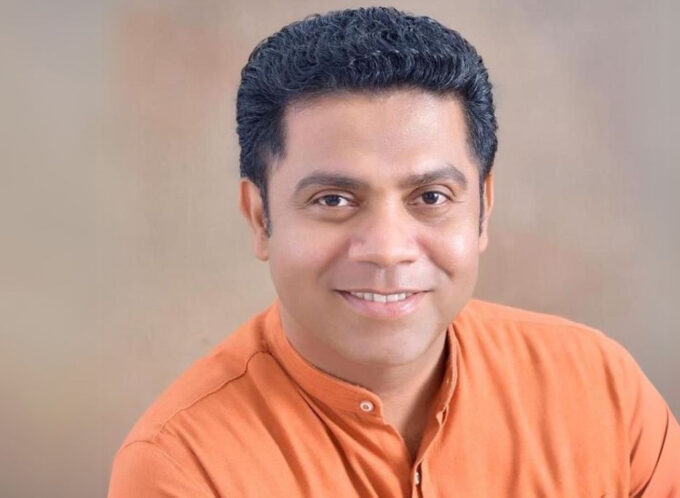
In an exclusive interview with the Daily Mirror, World Bank Lead Economist for Maldives, Nepal, and Sri Lanka, Arvind Nair, said the country faces a “real jobs gap” if growth remains slow.
“So we are looking at a real jobs gap if growth remains slow. That’s why we need the private sector to invest and create jobs,” he said.
The World Bank projects Sri Lanka’s economy will grow between three to four per cent this year. However, analysts caution that such growth, while keeping debt technically sustainable under the IMF programme, is insufficient to meet the aspirations of Sri Lankans or generate the employment needed.
“There’s also the issue of welfare,” Nair added. “If you look at poverty, the rate has basically doubled since the crisis. And to reverse that, growth is a prerequisite. Growth becomes essential—not just from the angle of fiscal, but also for jobs and improving people’s living standards.”
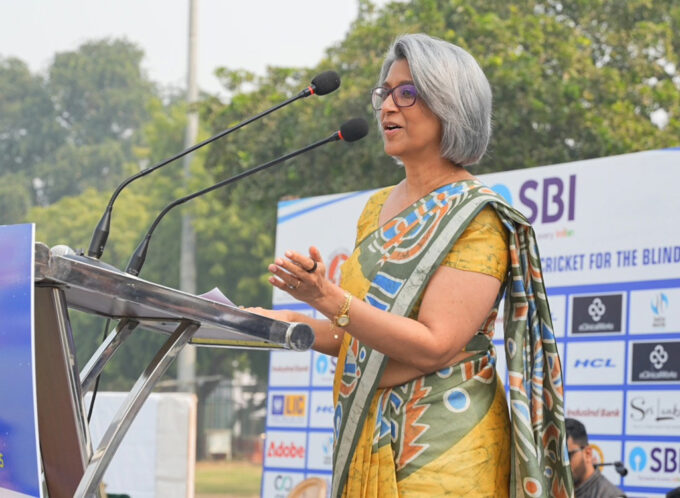
World Bank Country Economist for Sri Lanka, Shruti Lakhtakia, acknowledged improvements on fiscal and external fronts since the crisis began, calling them a “positive sign.”
She stressed that stability is a prerequisite for higher, sustained growth and private sector investment. “And really, for any kind of growth, that’s the first step – we need stability before we can think about achieving higher growth,” Lakhtakia said. “We also need to make sure that stability continues. That means staying on the fiscal path and ensuring exchange rate adjustments continue.”
Lakhtakia noted that the projected growth rate could keep government debt on a sustainable path, aiming for a debt-to-GDP ratio of 95 per cent by 2032, as outlined in the IMF programme.
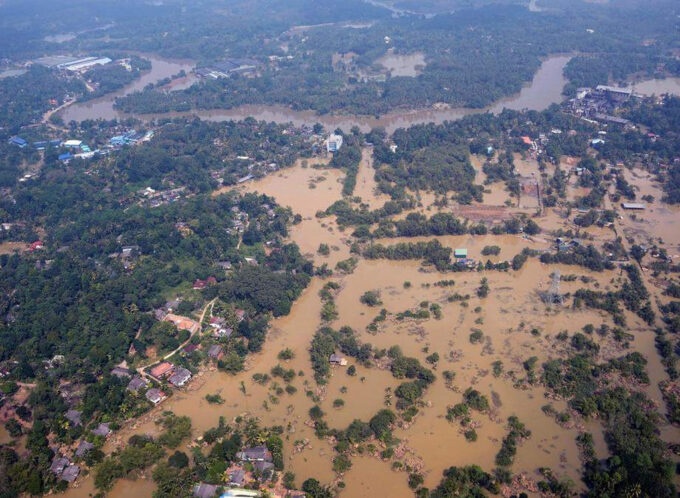
However, she warned that achieving this target with just three per cent growth would require “a very high level of fiscal austerity,” leaving limited room to respond to unexpected shocks such as Cyclone Ditwah.
“Growth becomes essential, not just from the angle of fiscal, but also for jobs and improving people’s living standards,” she emphasized.
With a million new entrants expected in the workforce and persistent social challenges, experts argue Sri Lanka will need both private sector investment and consistent policy reforms to bridge the growing gap between labor supply and employment opportunities.
(With inputs from Daily Mirror)









Leave a comment