
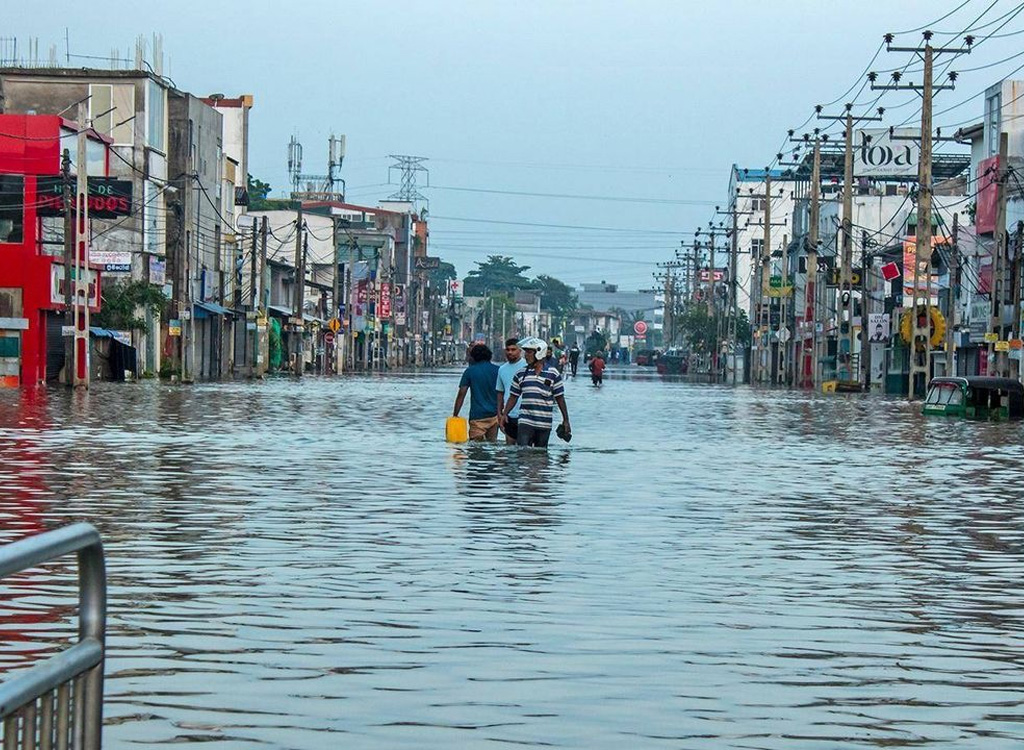
Sri Lanka’s post-cyclone recovery effort is increasingly overshadowed by concerns that weak diplomatic communication and inconsistent messaging have undermined international confidence.
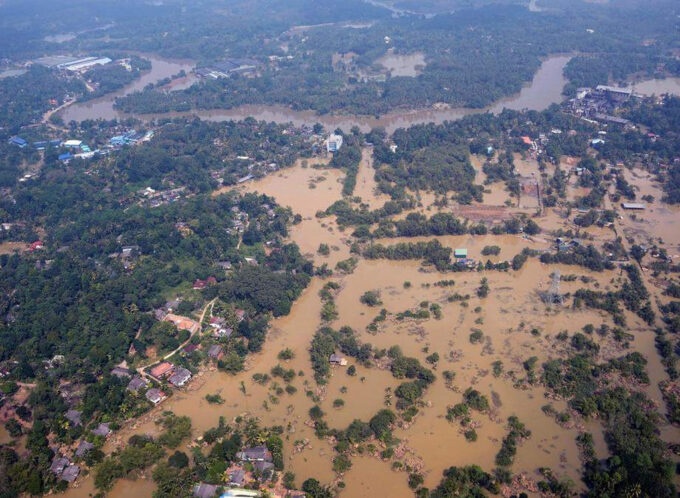
Despite repeated assurances from the government, foreign assistance secured so far represents only a fraction of the US$6.5–7 billion required to rebuild after Cyclone Ditwah’s devastation.
As of December 13, total foreign funding commitments and disbursements stood at approximately US$170 million, most of it tied to emergency relief rather than reconstruction.
This shortfall has intensified scrutiny of the government’s crisis diplomacy, particularly its ability to articulate needs, prioritise projects, and reassure donors about accountability mechanisms.
The planned international donor conference is now being positioned as a corrective measure.
However, analysts note that donor conferences are not automatic solutions; they succeed only when governments demonstrate preparedness, credibility, and strategic clarity.
At present, Sri Lanka appears to be struggling on all three fronts.
While several countries including India, the US, China, Japan, Australia, Russia, and Pakistan—responded promptly with emergency aid, few have indicated readiness to commit large-scale reconstruction funding.
Diplomatic sources suggest that donors remain cautious, citing uncertainty over implementation capacity and the absence of a compelling recovery narrative from Colombo.
The contrast with past disaster responses is stark.
Following the 2004 tsunami, Sri Lanka leveraged strong diplomatic leadership to secure rapid and generous global backing.
Today, despite louder public statements, engagement appears weaker.
Communication from the Foreign Ministry has been reactive rather than strategic, failing to translate sympathy into sustained financial commitments.
The Rebuilding Sri Lanka Fund, though symbolically important, has raised only Rs. 3.4 billion, underscoring the limits of domestic fundraising.
Meanwhile, the UN-backed Humanitarian Priorities Plan, seeking US$35.3 million, addresses immediate survival needs but does little to close the vast reconstruction financing gap.
There remains potential for increased aid flows under the current government, particularly if the donor conference is used to present a transparent, data-driven recovery plan linked to governance reforms and monitoring mechanisms.
However, this window may narrow quickly if communication failures persist.
Ultimately, Sri Lanka’s recovery will depend not on headline announcements but on disciplined diplomacy.
Without a marked improvement in international engagement and messaging, the donor conference risks exposing, rather than resolving, the government’s inability to convert goodwill into meaningful support.









Leave a comment