
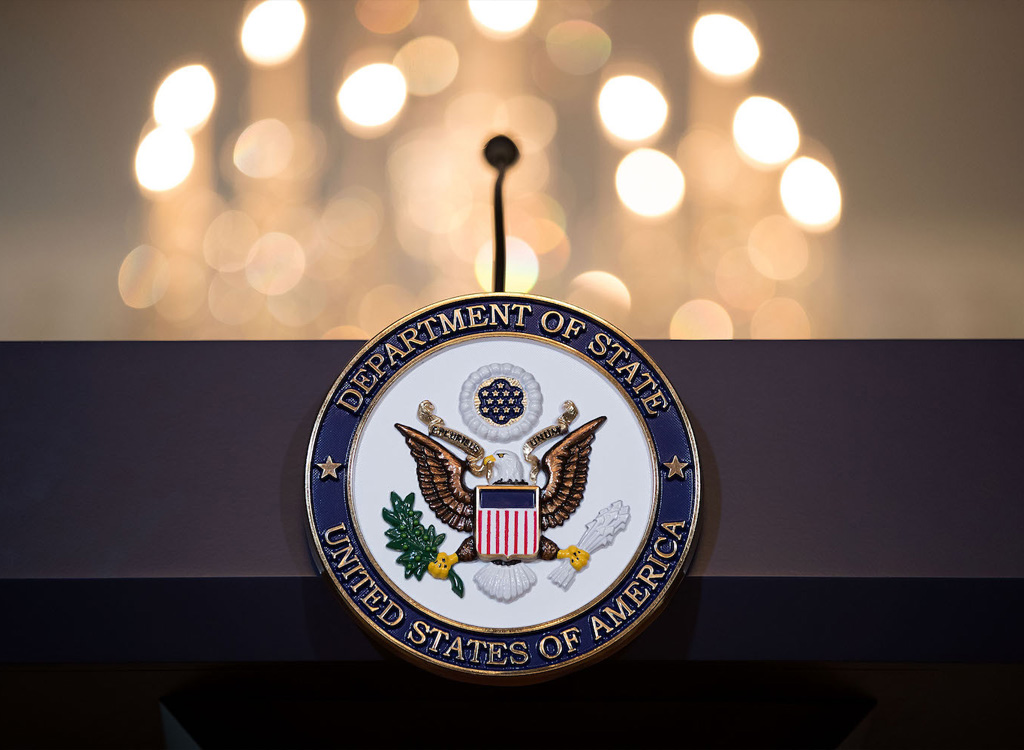
A recent US State Department report delivers a stark assessment of Sri Lanka’s investment climate, highlighting ideological conflicts within the ruling National People’s Power (NPP) government and persistent regulatory uncertainties as key deterrents to foreign investment.
Despite the country’s recent economic recovery, the report warns that policy reversals and lack of decisive reforms are stalling much-needed capital inflows.
The report focuses on the NPP’s Marxist-influenced leadership, pointing to tensions between its public advocacy for foreign investment and internal commitments to state-owned collectivism.
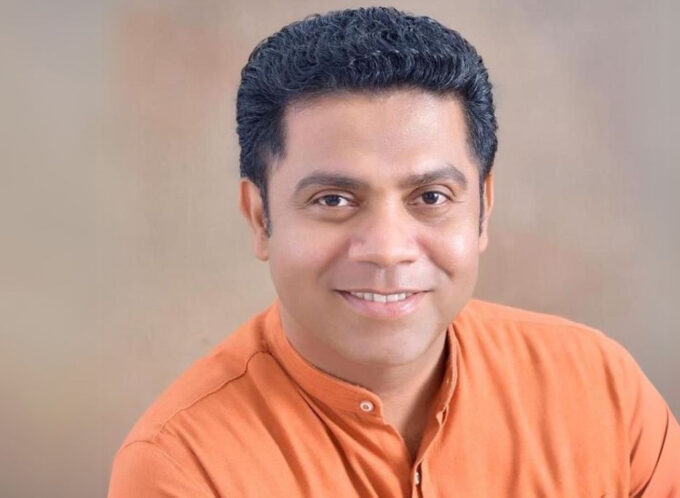
SJB MP Dr. Harsha De Silva affirmed the party’s ideological stance, citing a recent event where portraits of Marx, Lenin, and Engels were prominently displayed.
This ideological clash has disrupted previously pledged structural reforms, including the suspension of privatisation efforts of state-owned enterprises such as the Ceylon Electricity Board (CEB).
He highlighted the government’s firm stance against transferring any CEB assets to private ownership.
Regulatory unpredictability further compounds investor concerns.
The stalled Economic Transformation Act, aimed at dismantling the inefficient Board of Investment, remains in limbo following the NPP’s electoral victory.
This has contributed to tangible setbacks, including the withdrawal of Indian firm Adani Green Energy from a $400 million renewable energy project in early 2025, citing government renegotiation attempts.
Meanwhile, CEO of think tank Advocata, Dhananath Fernando, described the situation as a continuation of long-standing issues demanding urgent structural reforms.
He also criticised inconsistencies in taxation policy, highlighting disparities between service export companies and preferential tax exemptions granted within the Colombo Port City, which Dr. De Silva described as creating a “massive distortion in the market.”
The report also points to outdated labour laws, with the government shelving investor-friendly reforms after taking office, further complicating Sri Lanka’s investment appeal.
Corruption remains a significant concern, particularly among privately owned infrastructure firms that often lack robust anti-bribery policies.
The report concludes with a warning that without decisive government action to address corruption, judicial weaknesses, and policy instability, Sri Lanka risks continued exclusion from large-scale foreign direct investment essential for sustainable economic growth.









Leave a comment