
A growing shortage of essential medical equipment and critical medications, alongside an emerging fraud scandal involving surgical supplies, has led to heightened concern among medical professionals, particularly those involved in neurosurgical procedures.
Although the Ministry of Health has not issued a formal directive to delay or cancel surgeries, doctors have begun expressing deep reservations about performing high-risk operations amid dwindling resources. The matter has been further complicated by recent revelations of financial misappropriation at a prominent Colombo hospital, casting a shadow over public confidence in the healthcare system.
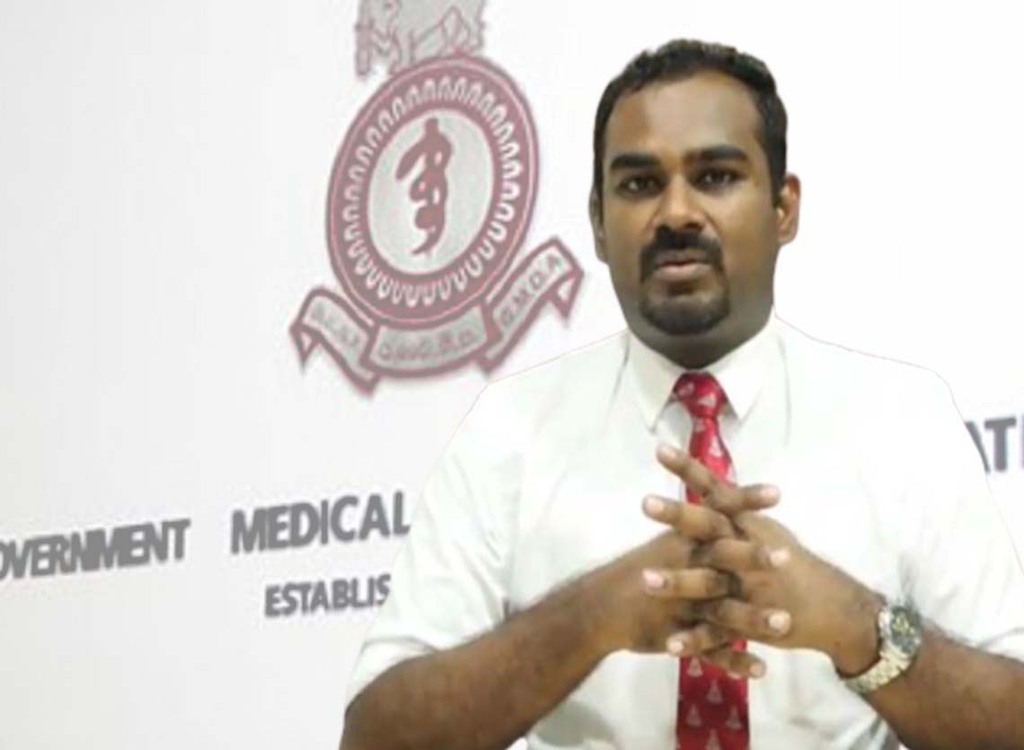
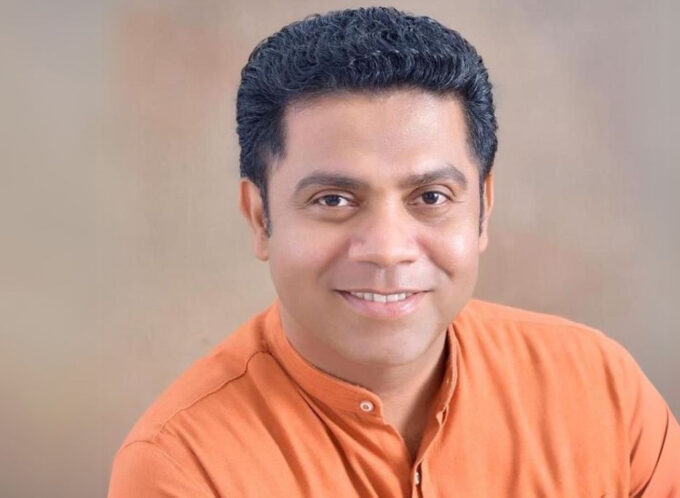
Dr. Chamil Wijesinghe, Assistant Secretary and Media Spokesperson of the Government Medical Officers’ Association (GMOA), said medical officers are struggling to proceed with procedures due to shortages in essential antibiotics and surgical tools. “It is not that doctors are refusing to perform surgeries, it is that they can’t,” he said, underscoring that the risk to patients is growing as vital resources become increasingly scarce.
Despite the adversity, medical officers remain committed to providing care, Dr. Wijesinghe noted. However, the situation is becoming more precarious. “This is a crisis we had in 2023 and although we saw some improvement, we are once again heading in that direction,” he warned. “It is not a crisis yet as we are managing the situation, but we are seeing signs it is going to worsen.”
In a bid to mitigate delays, hospitals have been granted temporary permission to procure urgently needed pharmaceuticals through direct purchasing channels, bypassing the usual protracted procurement processes. Such measures are seen as critical, particularly in time-sensitive surgeries such as those involving neurology.
Dr. Wijesinghe, however, was critical of the Health Ministry’s efforts to contain the crisis. He cited the absence of a clear, structured mechanism for managing procurement, both in terms of quality and quantity, as a significant failing.








Leave a comment