
Nearly nine months after sweeping into office with promises of a clean break from past political privilege, the National People’s Power (NPP)-led government is facing criticism for failing to act on one of its signature reform pledges – the conversion of unused ministerial bungalows into revenue-generating assets.
Despite vocal campaign commitments to repurpose dozens of colonial-era government residences, not a single project has been implemented to date.
The properties, many of which occupy prime real estate in central Colombo and key provincial towns, remain unoccupied.
In the lead-up to the September 2024 presidential election, the NPP slammed previous administrations for their liberal allocation of these government-owned bungalows to Cabinet and State Ministers.
At the time, the party pledged to rent them out to generate revenue, or repurpose them for public use, thereby easing the strain on state coffers.
However, that pledge has yet to materialise.
Minister of Public Administration, Provincial Councils, Local Government Prof. Chandana Abayaratne acknowledged the inaction, saying that although the government has identified around 50 such bungalows with at least 30 suitable for economic or institutional use, no decisions have been finalised.
Among those reportedly interested are the Election Commission and several diplomatic missions, though negotiations remain stalled amid what officials privately admit is a lack of political momentum.
The bungalows, many dating back to the late British colonial era, were originally designed to house senior administrators at a time when the country had few hotels or formal venues.
Today, they are widely regarded as outdated and costly, symbolic of a political culture the NPP had promised to dismantle.
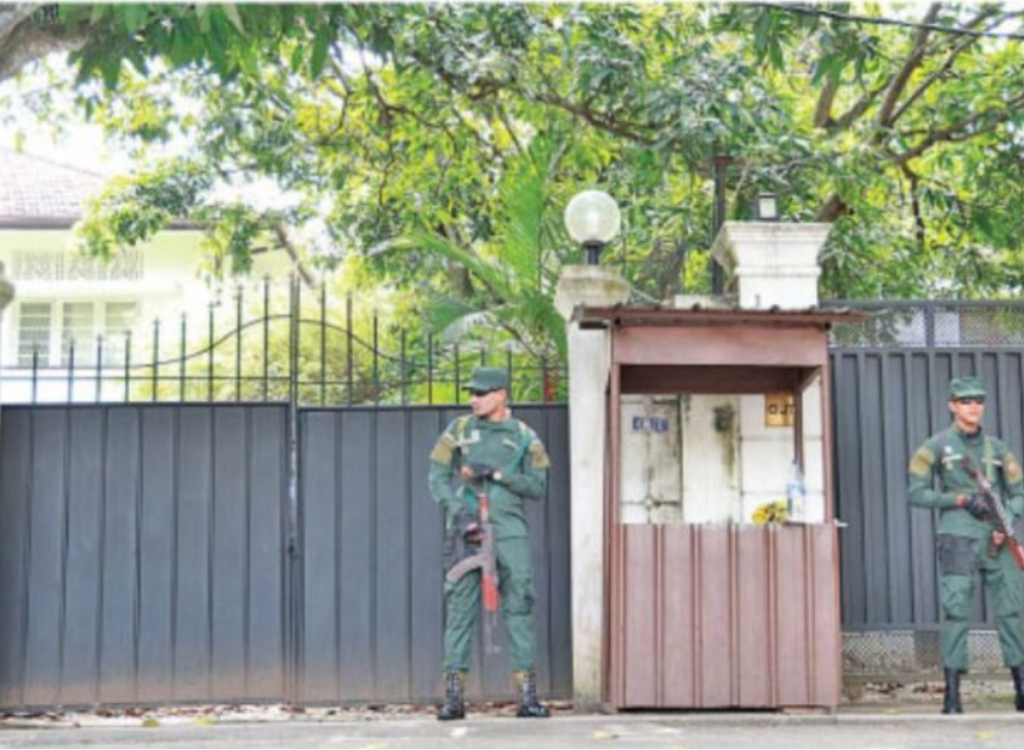
While Prof. Abayaratne insisted the current cost of maintaining these properties is “minimal,” he said that military personnel have been deployed to guard several sites containing “valuable materials,” drawing further scrutiny over resource usage in a period of tight public finances.
Smaller government-owned residences are also under consideration for limited official use, though the specifics remain vague.
For now, the grand old bungalows, once the stage for colonial receptions and later political power, remain quiet monuments to bureaucratic inertia, their potential locked behind rusting gates and delayed decisions.













Leave a comment