
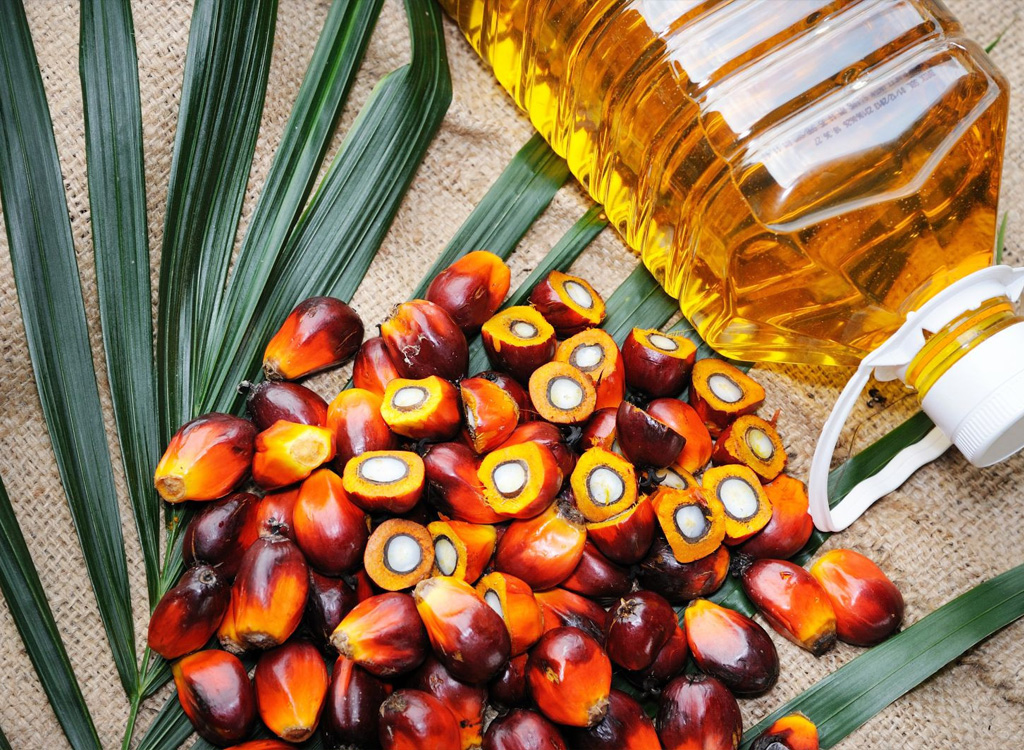
The Sri Lankan government continues to give preferential treatment to coconut oil while discouraging oil palm cultivation which has increased foreign exchange losses and limited economic opportunities for rural communities.
Dr. Rohan Fernando, president of the Palm Oil Industry Association of Sri Lanka (POIA), highlighted the issue at its 6th annual general meeting this week.
He said countries such as India, Malaysia, and Indonesia have reaped significant benefits from oil palm cultivation, particularly in poverty alleviation, and that Sri Lanka could achieve similar gains even at a smaller scale.
POIA has repeatedly called for the government to lift the ban on oil palm cultivation, emphasizing its potential to reduce rural poverty and save foreign exchange.
“I am pleased to note that the new administration has responded positively,” Fernando said, noting that an expert committee of scientists and professionals has been appointed to assess the economic and social impact of the ban.
Fernando also said meetings with President Anura Kumara Dissanayake and the Minister of Plantation Industries were “encouraging,” with assurances that POIA proposals would receive serious consideration.
He expressed hope that oil palm will be recognized as a viable crop in Sri Lanka, particularly for poverty reduction.
Despite the ban, the oil palm sector still provides direct and indirect employment to more than 33,000 people and saves approximately USD 17 million in foreign exchange annually.
Industry experts say the 2021 ban, imposed under the previous administration, was ad hoc and lacked a scientific basis.
Sri Lanka remains the only country in the world to prohibit oil palm cultivation, while India is rapidly expanding the crop under its import substitution strategy, planning up to 3 million hectares as domestic demand for palm oil is expected to double by 2030.
Experts also note that oil palm yields nearly four times more oil than coconut, suggesting that lifting the ban could boost domestic supply and enable greater exports of value-added coconut products.












Leave a comment