
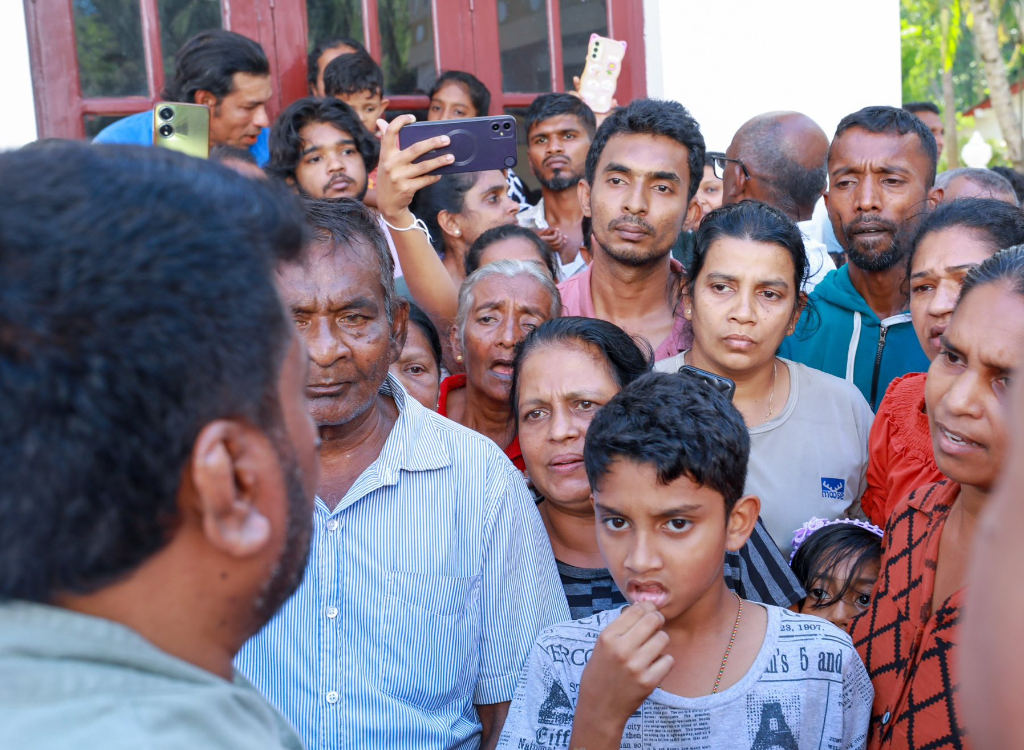
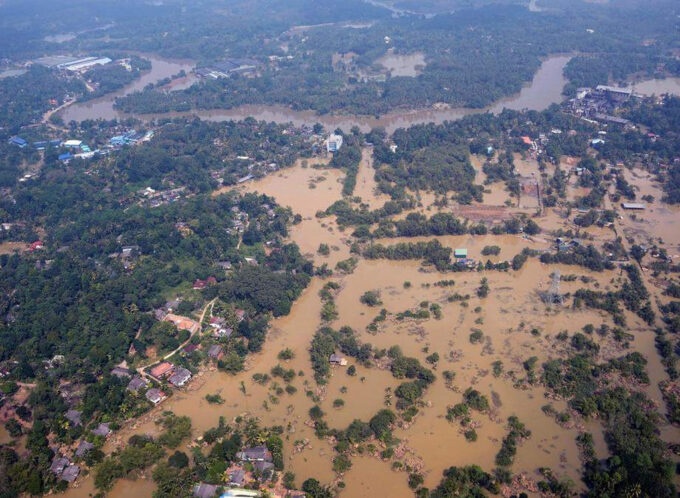
Sri Lanka’s recovery from Cyclone Ditwah and subsequent floods and landslides is raising urgent questions about whether the government’s relief plan can realistically rebuild homes, livelihoods, and damaged public infrastructure.
Lawmakers and financial experts warn that current allocations may fall short amid mounting needs.
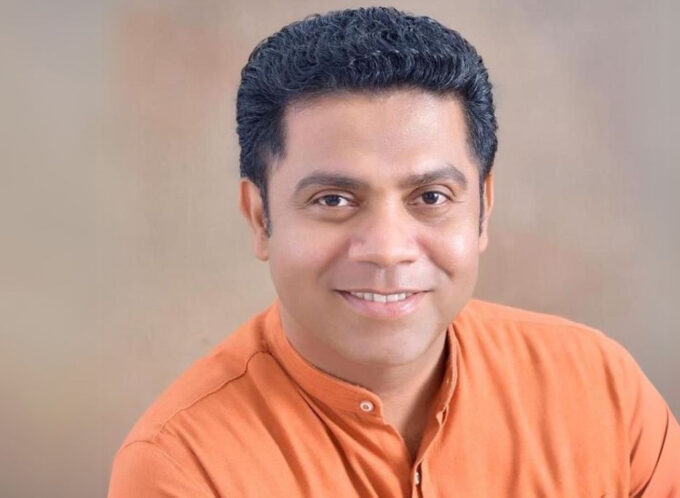
During a parliamentary debate, SJB MP Dr. Harsha de Silva, chair of the Committee on Public Finance (CoPF), urged the government to redirect Rs. 500 billion, currently earmarked for the 2026 retirement of treasury bills, toward urgent reconstruction and relief efforts.
He noted that the Treasury has the legal and fiscal flexibility to postpone debt payments in the face of a national emergency.
“Every rupee now should support rebuilding homes, restoring livelihoods, and compensating businesses, especially MSMEs burdened by nearly Rs. 1 trillion in debt,” he said.
He pointed out that while the government had originally advised banks to maintain over Rs. 1 trillion in emergency reserves, only half of that amount has been set aside for debt service.
The President’s relief plan includes grants for house repairs, livelihood support, and emergency cleanup operations. Initial government estimates place total losses between $3 billion and $6 billion, but a detailed World Bank-led assessment is expected within two weeks.
If the damage nears the upper estimate of $6 billion (roughly Rs. 2 trillion), experts say the current allocations may be insufficient.
De Silva highlighted that under the Public Financial Management Act, which sets a primary expenditure ceiling of 13% of GDP for 2026 in line with IMF commitments, emergency spending beyond this limit is legally permissible.
He also noted that approximately Rs. 50 billion remains unspent from the 2025 Budget’s emergency funds and could be mobilized quickly for immediate relief.
The opposition lawmaker also said that the standard Rs. 25,000 compensation payment was outdated, advocating for it to be doubled in light of inflation, rising construction costs, and severe material shortages in flood-affected districts.
Without clear damage assessments, transparent budget priorities, and flexible fiscal planning, Sri Lanka risks underfunding its recovery at a moment when thousands of displaced families and businesses are counting on government support to rebuild their lives.











Leave a comment