
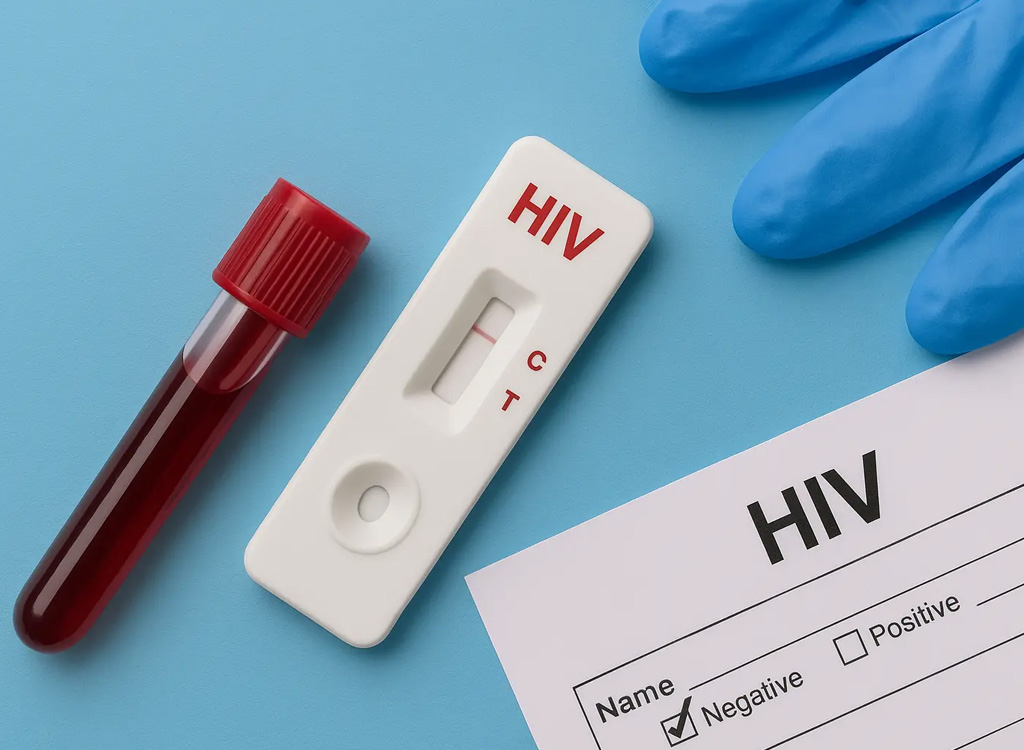
Health authorities in Sri Lanka have raised concerns over a troubling increase in HIV infections among young people aged 15 to 29, with the highest number of cases reported in the Colombo and Gampaha districts.
Although Sri Lanka remains classified as a low-prevalence country for HIV, the Ministry of Health reported a steady rise in cases in recent years: from 411 in 2021 to 824 in 2024.
The majority of infections are among males, with a male-to-female ratio of 7:1. As of March 2024, the total number of reported HIV-positive individuals in the country reached 6,740.
HIV is one of the world’s most serious sexually transmitted viruses, primarily transmitted through sexual contact, sharing injection needles, and mother-to-child transmission.
Health experts highlight that the virus attacks the body’s immune system, weakening it so significantly that even minor illnesses can become fatal.
Transmission occurs mainly through sexual fluids—not through kissing—with unprotected anal intercourse posing the highest risk. The virus can spread throughout the body within approximately 72 hours after exposure.
Shared needles among drug users also present a significant risk. Mother-to-child transmission remains a concern, particularly through breast milk if the mother is not on antiretroviral therapy (ART).
However, Sri Lanka earned World Health Organization certification in 2019 for successfully minimising this transmission route.
To combat the rising infections, the National STD/AIDS Control Programme (NSACP) offers free and confidential testing and treatment services across 41 clinics nationwide.
HIV-positive individuals have access to free ART, while a hotline and the “KNOW FOR SURE” mobile app provide support and information.
Self-testing kits using oral fluid are also available, allowing private diagnosis.
Experts warn that even schoolchildren are increasingly vulnerable to HIV, underlining the urgent need to integrate comprehensive HIV education into school curricula to raise awareness from a young age.










Leave a comment