
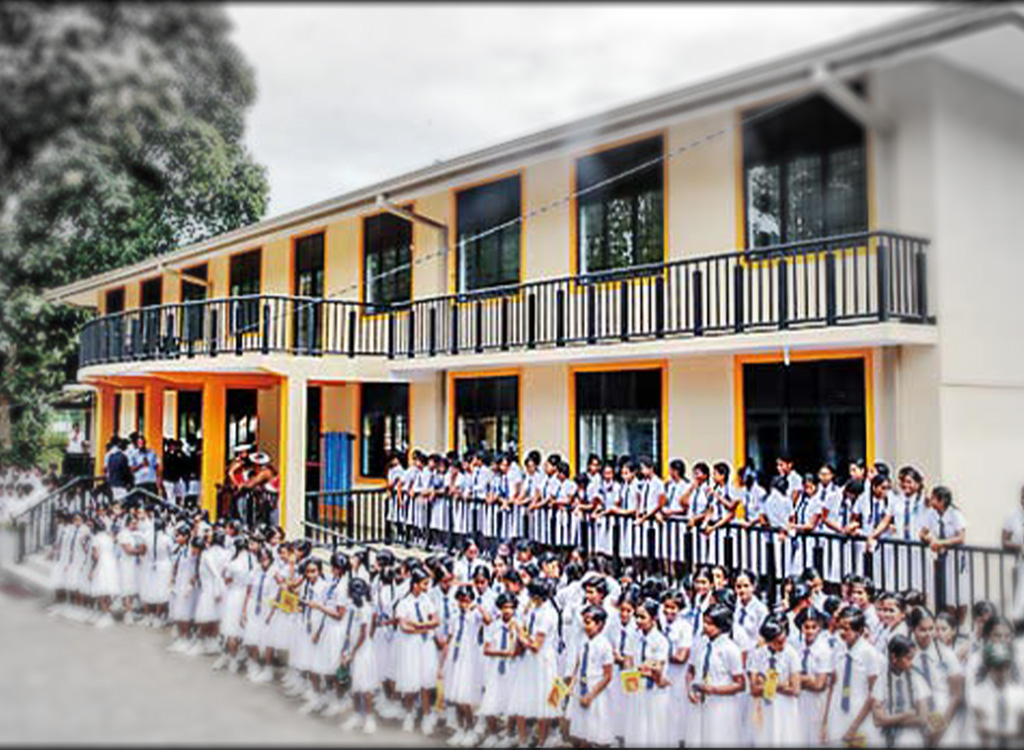
Sri Lanka’s public expenditure on education continues to rank among the lowest in its income group, significantly trailing behind comparable developing economies, a new report by Human Rights Watch (HRW) titled “Tax Giveaways, Struggling Schools,” shows.
Drawing on data from the World Bank and UNESCO, the report reveals that Sri Lanka allocates only around 2% of its GDP to education—less than half the average of 4.5% seen across low- and middle-income countries.
In contrast, countries such as Morocco, Kyrgyzstan, Senegal, and Tajikistan consistently allocate over 5% of their GDP to the sector.
The disparity is further underscored in per capita terms. In 2010, Sri Lanka spent only $516 (PPP) per primary student.
In comparison, Morocco spent $1,278, Namibia $1,711, and Bolivia $2,121, while the United Kingdom allocated $11,192—over 21 times more per student than Sri Lanka.
Between 1998 and 2000, Sri Lanka dedicated 11.7% of its national budget to education, far below countries such as Benin (18.5%), Côte d’Ivoire (18.8%), and Morocco and Tunisia (over 25%). By 2009, Sri Lanka had dropped to the bottom tier of education spending among lower-middle-income nations.
HRW attributes this chronic underfunding to Sri Lanka’s weak tax revenue system.
“Had Sri Lanka’s tax revenues as a share of GDP been on par with the global average, it could have generated significantly more resources for public services, including education,” the report noted.
It also highlighted that low domestic revenue mobilisation has forced the Government to depend on external loans—including from the World Bank and other development lenders—to fund essential education initiatives.
HRW called for urgent reforms, noting that the Government needs to raise tax revenues, cut back on unnecessary tax exemptions, and increase education spending in line with international benchmarks, ensuring that the right to education is adequately funded and accessible for all children.







Leave a comment