

Sri Lanka’s apparel industry has expressed its concern over the Reciprocal Tariff policy announced by the US government.
The new tariffs proposed could significantly disrupt the country’s largest export sector and put thousands of jobs at risk.
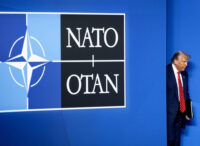
Following an announcement by U.S. President Donald Trump on April 2, a 10% baseline tariff on all imports will take effect from April 5, increasing to a 44% “reciprocal” tariff on Sri Lankan exports, starting April 9.
“This tariff level is extremely high relative to our regional competitors,” said Yohan Lawrence, Secretary General of the Joint Apparel Association Forum (JAAF). “Sri Lanka could very quickly see its share of US business move to countries with lower tariffs than Sri Lanka has”.
The United States is Sri Lanka’s largest single-country apparel market, accounting for over 40% of the sector’s total exports, which exceeded USD 5.5 billion in 2023.
“With tariffs coming into effect almost immediately, the impact will be swift and severe. Potentially, we could see the bulk of our U.S. business migrate to competitor markets,” Lawrence added. “This volume of business simply cannot be replaced through other markets.”
The Government of Sri Lanka has already initiated consultations with the industry and other stakeholders to determine an appropriate course of action.
“We are very appreciative of the immediate actions taken by the Government to discuss this situation and are working very closely with the authorities to see how best we could address the concerns raised by the US Government, whilst staying within the limitations of Sri Lanka’s ongoing IMF programme,” said Lawrence.
Despite this challenge, the apparel sector remains committed to transparency, ethical production, and sustainable value creation.
“Our focus now is on engagement, agility, and ensuring Sri Lanka remains a trusted sourcing destination,” Lawrence said. “However, this situation is serious, and it must be addressed as a matter of national urgency.”










Leave a comment