
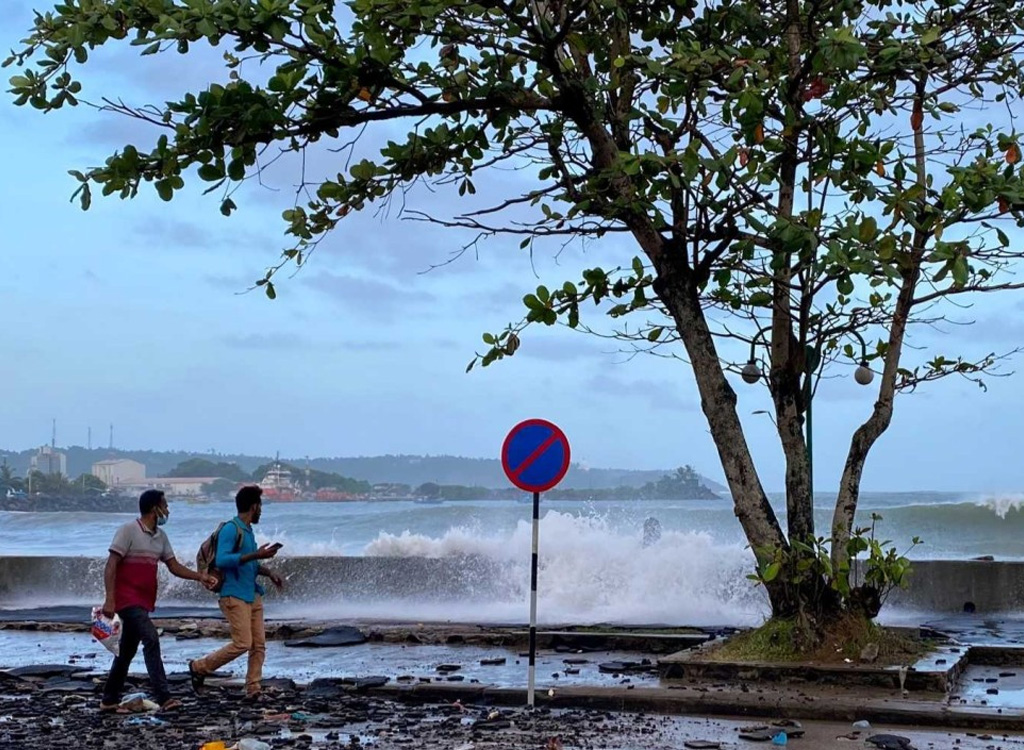
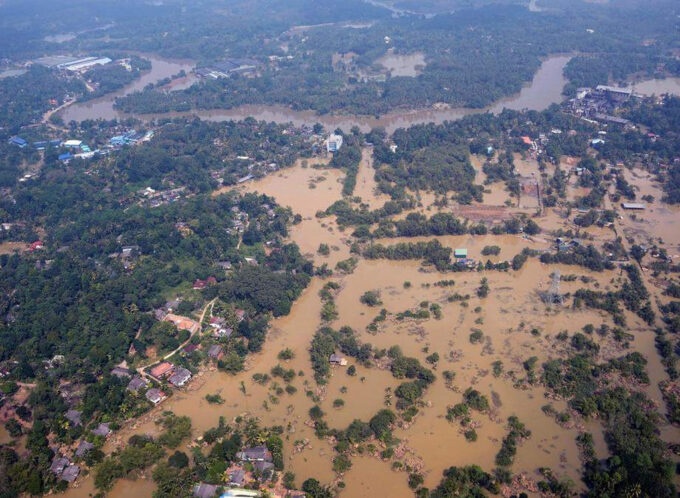
Sri Lanka’s ongoing disaster is expected to delay the country’s fragile economic recovery and may require revisions to growth and fiscal forecasts, according to a new economic assessment released Monday.
Analysts warned that a clearer picture will emerge only after damage evaluations and reconstruction plans are completed.
In the immediate term, authorities are prioritizing emergency relief and the restoration of essential infrastructure, while medium-term policy efforts are expected to focus on rebuilding, targeted social support and strengthening climate-resilient infrastructure to reduce future risks.
CT Smith Stock Brokers, in an Economic Update issued today, said the disaster will likely disrupt consumer demand, push inflation higher and exert short-term pressure on the exchange rate.
“Interest rates may also rise marginally due to additional funding required for flood-related rehabilitation,” the report said.
Cyclone Ditwah has created a mixed outlook for the construction sector.
While severe short-term disruptions are expected, analysts said reconstruction efforts could open significant opportunities over the medium term.
The tourism sector, however, is projected to take a direct hit during what is normally the peak winter season from November to January.
The report noted that the state of emergency is likely to deter visitors, leading to booking cancellations and reduced arrivals.
Flooding in key hill-country destinations such as Kandy and Nuwara Eliya, the diversion of more than 15 international flights and impassable roads have further restricted tourist movement.
Still, analysts pointed out that primary tourist catchment areas in the south and southwest remain largely unaffected.
They also reported that hotel groups with operations in the Maldives, including KHL and AHUN, continue to perform without disruption.
Supply chain challenges are expected to intensify, with blocked roads hampering fast-moving consumer goods distribution.
The plantation sector is already experiencing disruptions due to heavy rainfall and landslides in the hill country.
Banks, meanwhile, face heightened short-term risks as affected farmers, small businesses and households struggle to meet repayment obligations.
“Asset quality may soften as disaster-hit borrowers seek restructurings or face repayment delays. Some deposit withdrawals are likely as customers tap savings for immediate expenses,” the report said.
Despite these pressures, the financial sector may benefit in the coming months from increased lending linked to reconstruction and recovery efforts.












Leave a comment