
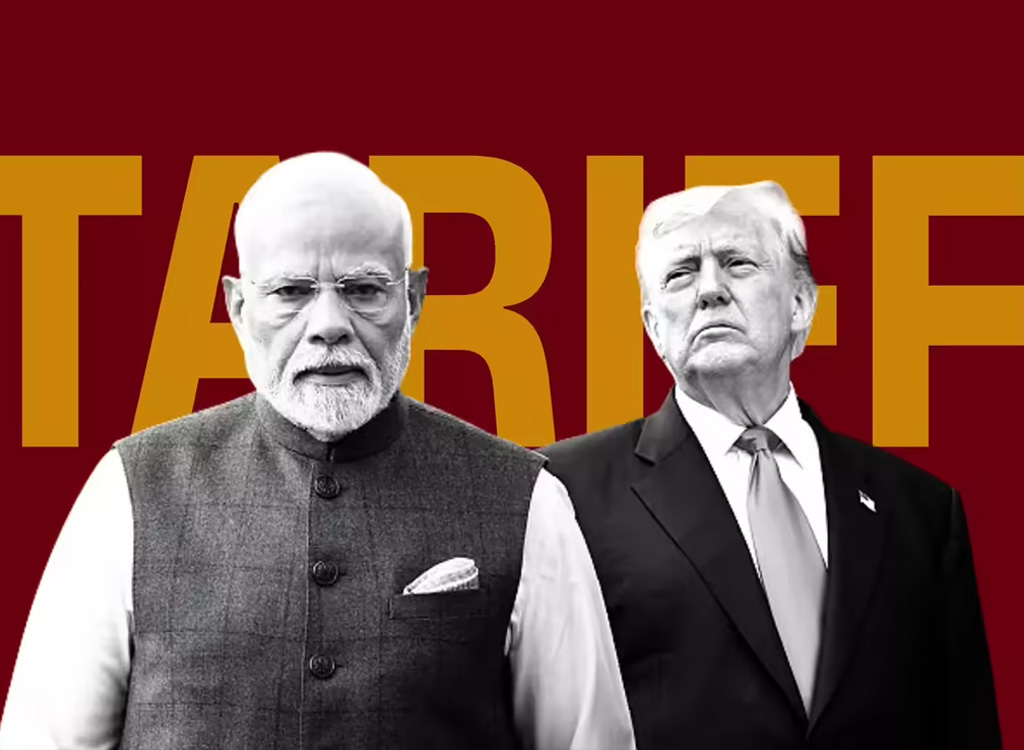
Prime Minister Narendra Modi’s government pushed through far-reaching policy reforms in the final parliamentary session of the year, seeking to bolster the economy in the face of trade headwinds.
In one of its most active winter sittings in recent years, the Parliament approved bills to open the nuclear industry to private firms and allow full foreign ownership of insurance companies. The finance minister also tabled a proposal to unify India’s securities market laws under a single code, modernizing the framework to encourage more market participation.
Together, these steps could unlock hundreds of billions of dollars in investments and advance Modi’s ambition of turning India into a developed nation in the next two decades. The Adani Group, founded by Asia’s second-richest man Gautam Adani, is already taking advantage of the changes with plans to build a commercial nuclear energy project in one of India’s northern states, Bloomberg News reported.
After a sluggish start to the year, the Modi government has moved decisively over the past four months, cutting consumption taxes and implementing overhauled labor codes — policy changes that businesses have long sought. It has simultaneously accelerated trade talks with several partners, including the European Union, to help offset US President Donald Trump’s 50% tariffs. On Thursday, New Delhi inked a free trade pact with Oman, its second of the year after one with the UK.
The latest measures represent a clear escalation of Modi’s economic reform agenda after months of being bogged down by foreign policy challenges, including an armed clash with Pakistan in May and protracted trade negotiations with the US.
These moves “signal a policy shift toward diversification, structural reforms, and attracting long-term capital,” wrote economists Sonal Varma and Aurodeep Nandi of Nomura Holdings Inc. on Friday. “We see smoother sailing in 2026,” predicting economic growth of 6.9% for the year.
Economists have been raising their growth projections for the fiscal year through March and expect a slower, although steady pace of 6.5% in the following year. Still, that remains below the 8%-plus pace India needs to sustain in order to reach developed-nation status by 2047.
India’s exports to the US, its biggest market, have weakened since Trump imposed higher tariffs in August. Despite months of negotiations, there is still no clarity on when a trade deal to bring down the tariffs will be signed. The rupee has plunged to a record low and is down more than 5% against the dollar this year, making it Asia’s worst performing currency.
Tamil Nadu, one of the country’s most export-reliant states, sent a warning to Modi this week that the high tariffs are causing “irreparable damage” to local businesses, leading to hundreds of millions of dollars in losses each day. The state is a manufacturing hub for textiles, footwear and electronics.
Still, opposition groups have criticized the government for rushing through several pieces of legislation, including a bill to overhaul a rural employment program, with minimal notice or debate. Furthermore, the opposition argued that other critical issues, such as the severe air pollution in Delhi, weren’t given time for discussion before the session concluded.
Regardless, the burst of policy action also energizes Modi’s Bharatiya Janata Party as it confronts a more assertive opposition that has previously disrupted the Parliament with loud protests over issues including electoral transparency and tensions with Pakistan. It also gives the Indian leader a timely boost before five state elections in the new year.
“The rupture with Washington — which saddled India with the world’s highest US tariff rate — has injected urgency into improving the business climate,” wrote Chetna Kumar, Bloomberg’s geoeconomics analyst for South Asia, earlier this month. “A string of state election wins has also strengthened Modi’s hand for overdue changes.”
(Bloomberg)












Leave a comment