
By The Pulseline News Desk
Sri Lanka’s escalating dengue outbreak is placing unprecedented pressure on hospitals and healthcare workers, prompting health authorities to issue urgent warnings about both the disease and opportunists seeking to exploit public fears.
More than 1,000 new dengue cases were reported within a 24-hour period this week, a figure health officials describe as deeply alarming and indicative of a rapidly worsening public health emergency.
According to Acting Director of the National Dengue Control Unit Dr. Kapila Kannangara, the latest 1,069 infections have pushed the total number of reported dengue cases this year to 47,179, while 28 deaths have been recorded as of Sunday (21).
The sharp increase represents a dramatic departure from normal patterns. During non-epidemic periods, Sri Lanka typically records between 150 and 200 dengue cases per day. Current daily figures, however, have climbed to between 600 and 650 cases, with occasional spikes far exceeding those numbers.
Health officials warn that the trend shows no signs of slowing.
Hospitals under pressure
The most immediate concern is the growing strain on Sri Lanka’s healthcare system.
Dr. Kannangara has warned that hospital capacity has already been exceeded in some areas as increasing numbers of patients seek treatment. Doctors, nurses, and support staff are working under intense pressure, often managing overcrowded wards while attempting to maintain the standard of care required for severe dengue patients.
Medical experts note that dengue management depends heavily on close monitoring and timely intervention. As patient numbers rise, healthcare workers face greater challenges in providing the intensive care needed to prevent complications.
The National Dengue Control Unit has cautioned that prolonged pressure on hospitals could increase the risk of dengue-related fatalities if resources become overstretched.
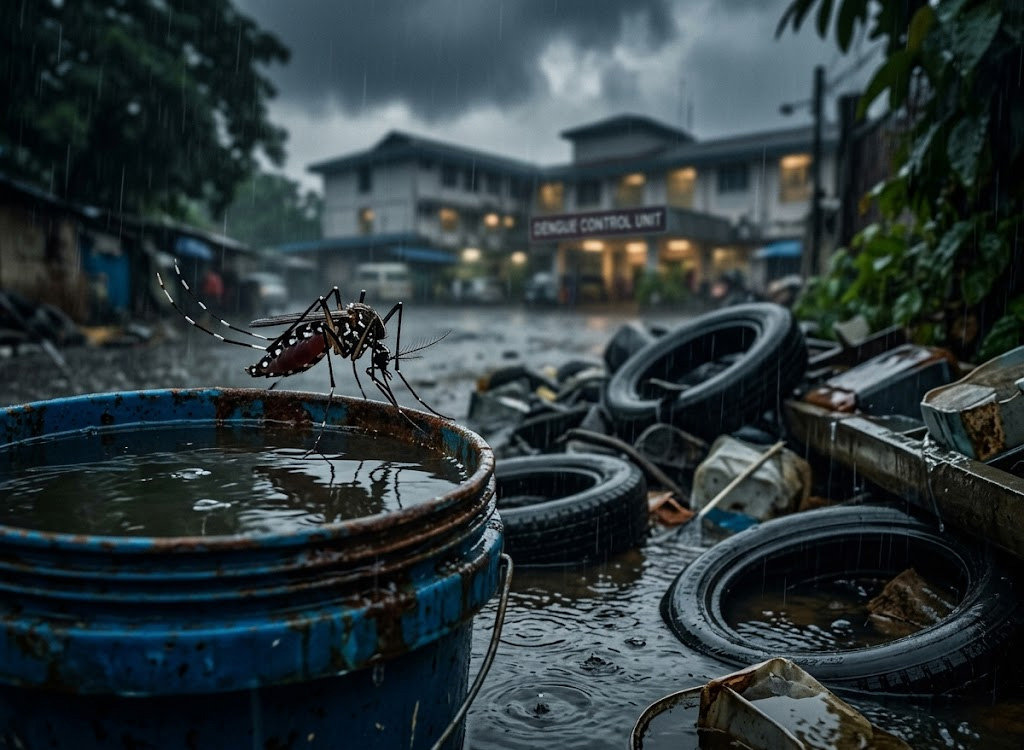
The outbreak comes during a period of seasonal rainfall across many parts of the country, conditions that create ideal breeding grounds for the Aedes mosquito, the primary carrier of the dengue virus.
Public cooperation remains critical
Health authorities continue to emphasise that mosquito control remains the most effective defence against the disease.
Officials are urging households, businesses, schools, and institutions to eliminate stagnant water sources where mosquitoes breed. Discarded containers, blocked gutters, uncovered water storage tanks, and neglected outdoor spaces remain among the most common breeding sites identified during inspections.
Public health campaigns have repeatedly stressed that community participation is essential, as mosquito breeding often occurs within residential premises.
With the outbreak continuing to expand, authorities say prevention efforts at the household level could significantly reduce transmission and ease pressure on hospitals.
Fraudsters exploit the crisis
Amid the growing health emergency, authorities are now confronting a separate problem: individuals allegedly posing as public health inspectors and demanding money from residents and businesses.
The Sri Lanka Public Health Inspectors’ Union has reported numerous complaints involving impostors conducting bogus inspections and soliciting payments under the pretext of dengue control operations.
According to the union, several institutions and households have been deceived by individuals falsely claiming to represent health authorities.
The union stressed that public health inspectors do not charge fees or collect money while carrying out official duties. Any request for payment in connection with dengue inspections should therefore be treated with suspicion.
Officials have urged the public to refuse such demands and immediately report incidents to the police and relevant authorities.
Growing test for public health
The twin challenges of controlling the dengue outbreak and protecting the public from exploitation underscore the complexity of the crisis facing Sri Lanka’s health sector.
While medical teams battle rising infection numbers, authorities are also seeking to maintain public confidence in disease-control programmes that depend heavily on cooperation between health officials and local communities.
For now, health experts warn that the coming weeks will be critical. Unless transmission rates begin to decline, hospitals could face even greater pressure, making prevention efforts at the community level more important than ever.
As dengue cases continue to rise across the island, officials say the most effective response remains a simple one: eliminate mosquito breeding sites, seek medical attention early when symptoms appear, and remain vigilant against those seeking to profit from a public health emergency.













Leave a comment