
By The Pulseline News Desk
The fragile hopes for diplomacy in the Middle East suffered a fresh setback Monday as Israel launched new strikes against military targets in central and western Iran, defying a direct appeal from U.S. President Donald Trump to avoid further escalation.
The strikes came less than 24 hours after Iran fired ballistic missiles toward northern Israel in retaliation for an Israeli attack on Hezbollah-linked targets in Beirut’s southern suburbs. While most of the missiles were intercepted and casualties appeared limited, the exchange marked the most serious breach of a ceasefire that had held, albeit uneasily, since April.
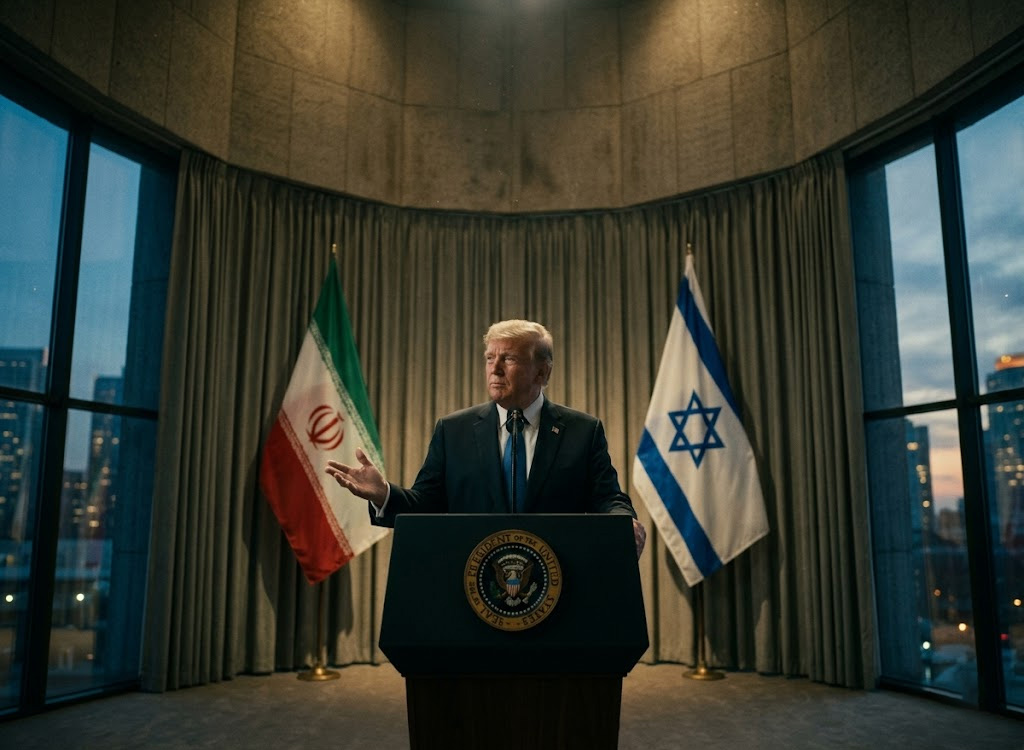
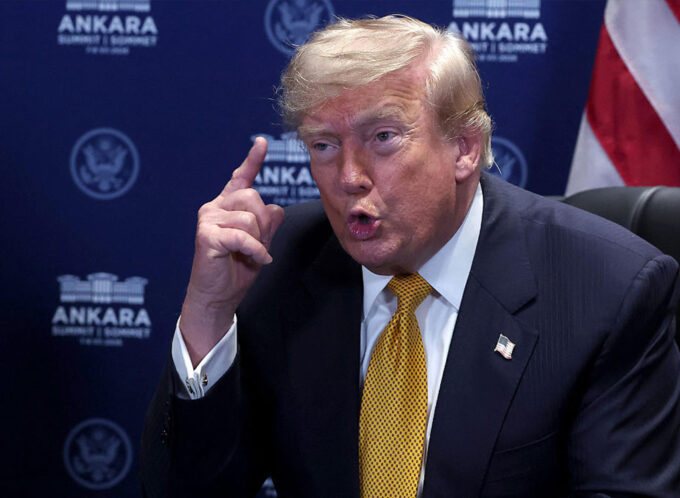
For Washington, the renewed violence arrives at a particularly sensitive moment. Trump has been pressing both sides to preserve a diplomatic track aimed at reducing tensions and advancing negotiations with Tehran over nuclear and regional security issues. According to U.S. officials, the president personally urged Israeli Prime Minister Benjamin Netanyahu not to retaliate after Iran’s latest missile barrage, arguing that additional military action could jeopardize ongoing talks.
Yet Israeli warplanes struck anyway.
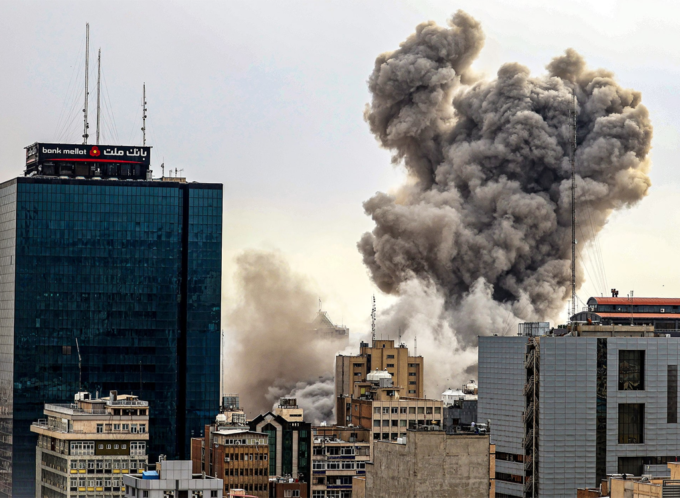
Israeli officials said the operation targeted military infrastructure and strategic sites linked to Iran’s missile capabilities. Explosions were reported in several locations across Iran, including areas near Isfahan and other major cities. Iranian authorities quickly condemned the attacks and warned that further retaliation remained on the table.
The latest exchange highlights a growing tension not only between Israel and Iran but also between Jerusalem and Washington. Trump, who has repeatedly presented himself as the chief architect of a potential regional settlement, publicly expressed frustration that his calls for restraint were ignored. Despite the setback, he insisted that negotiations with Iran would continue and maintained that the broader peace initiative remained alive.
Analysts say Israel’s decision reflects deep skepticism within its security establishment about diplomatic engagement with Tehran. Israeli leaders have long argued that military pressure is necessary to deter Iran and its regional allies, including Hezbollah. Tehran, meanwhile, views Israeli operations in Lebanon and Syria as part of a broader campaign to weaken Iran’s influence across the region.
The danger now is that a cycle of retaliation could spiral beyond the control of diplomats. Iran has already warned that U.S. military facilities could become targets if it perceives Washington as complicit in Israeli actions. Regional militias aligned with Tehran have also signaled a willingness to enter the conflict, raising concerns that fighting could spread beyond Israel, Iran and Lebanon.
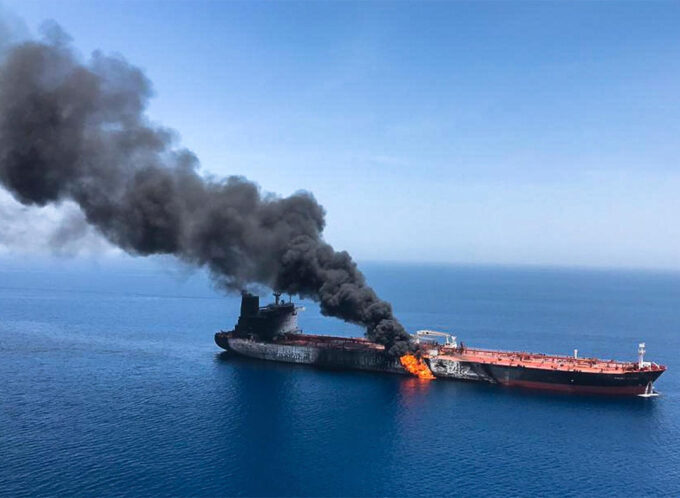
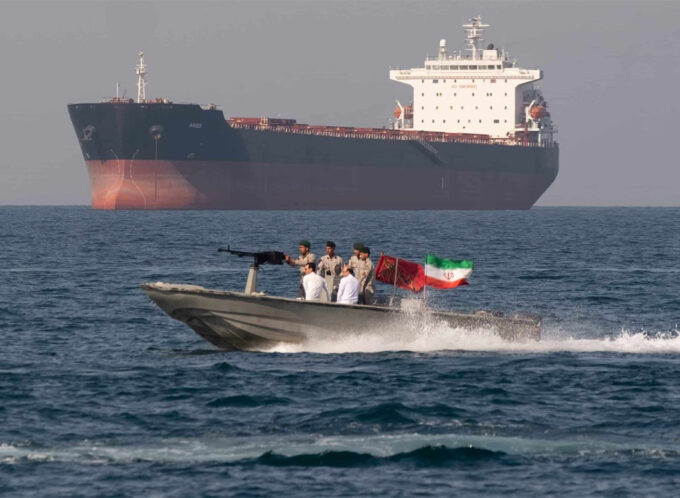
Financial markets reacted nervously to the renewed violence. Oil prices climbed as traders weighed the possibility of disruptions around the Strait of Hormuz, a critical artery for global energy supplies. Any prolonged confrontation could have significant consequences for world markets already grappling with geopolitical uncertainty.
For ordinary people across the region, the diplomatic maneuvering and military calculations translate into a familiar reality: air-raid sirens, closed schools, disrupted travel and renewed fears of war. In Israel, authorities tightened security measures after the Iranian missile launches. In Iran, residents reported hearing explosions and seeing increased military activity around key facilities.
Whether the latest strikes prove to be a brief flare-up or the beginning of a broader confrontation may depend on decisions made in the coming days in Jerusalem, Tehran and Washington. For now, however, the prospect of de-escalation appears more distant than it did just a week ago.
(With input from news agencies)









Leave a comment