

By The Pulseline News Desk
Global oil prices rose sharply on Monday after renewed Israeli military strikes on Iran heightened fears of a broader conflict in the Middle East, one of the world’s most important energy-producing regions.
The increase came as investors reacted to growing uncertainty over the security of oil supplies and shipping routes across the Gulf. Analysts warned that any escalation between Israel and Iran could disrupt energy exports and place additional pressure on global markets already grappling with economic uncertainty.
Brent crude, the international benchmark for oil prices, gained more than three percent in early trading, while U.S. crude futures also moved higher. The surge reflected concerns that the conflict could threaten infrastructure or shipping lanes critical to the global energy trade.
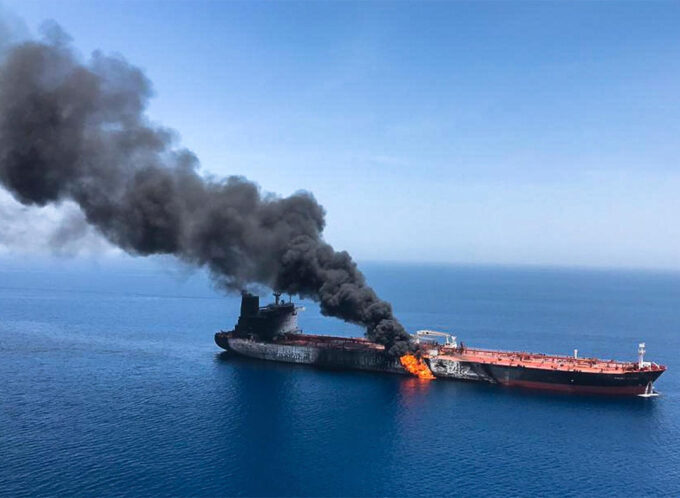
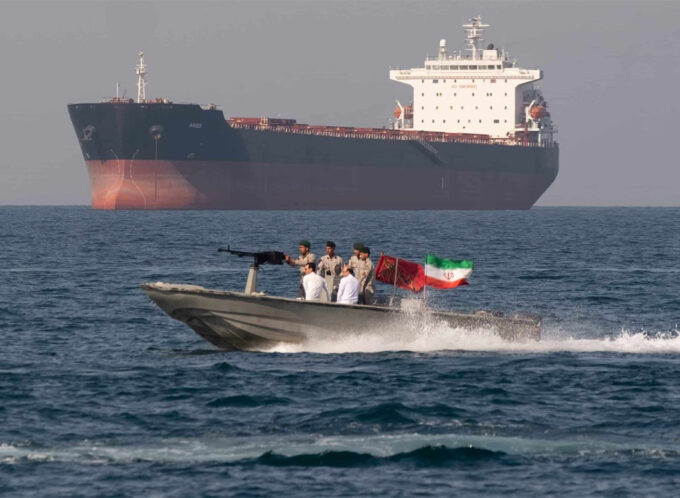
At the center of market anxiety is the Strait of Hormuz, a narrow waterway between the Persian Gulf and the Gulf of Oman through which nearly one-fifth of the world’s oil supply passes. Any disruption to traffic through the strait could have significant consequences for energy markets and consumer prices worldwide.
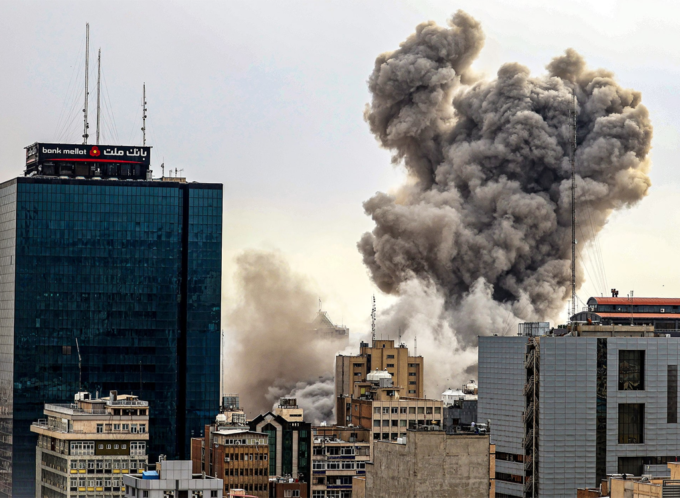
The latest rise in oil prices followed reports of fresh Israeli attacks on military targets inside Iran. The strikes came despite international calls for restraint and renewed diplomatic efforts aimed at preventing a wider regional war.
Iran, one of the world’s major oil producers, has repeatedly warned that it would respond to attacks on its territory. Investors fear that further retaliation could draw other countries and armed groups into conflict, increasing the risk of disruptions to oil production and transportation.
Financial markets have become increasingly sensitive to developments in the Middle East. While global oil supplies remain relatively stable for now, traders often respond quickly to geopolitical tensions because even the threat of disruption can affect prices.
Energy analysts noted that oil markets are currently vulnerable to sudden shocks. Global inventories have declined in recent months, leaving less room to absorb unexpected supply interruptions. As a result, any indication of escalating conflict tends to trigger sharp price movements.
The impact of higher oil prices extends beyond energy markets. Rising crude costs can lead to higher fuel prices, increased transportation expenses and greater inflationary pressures for businesses and consumers. Airlines, shipping companies and manufacturers are among the sectors most exposed to prolonged increases in energy costs.
Governments and central banks are also watching developments closely. A sustained rise in oil prices could complicate efforts to contain inflation and support economic growth, particularly in countries heavily dependent on imported energy.
Despite the latest market reaction, some analysts believe the increase may prove temporary if tensions ease and major oil-producing nations continue to maintain adequate supply levels. Others caution that the situation remains highly unpredictable and that prices could rise further if hostilities intensify.
(With input from new agencies)










Leave a comment