
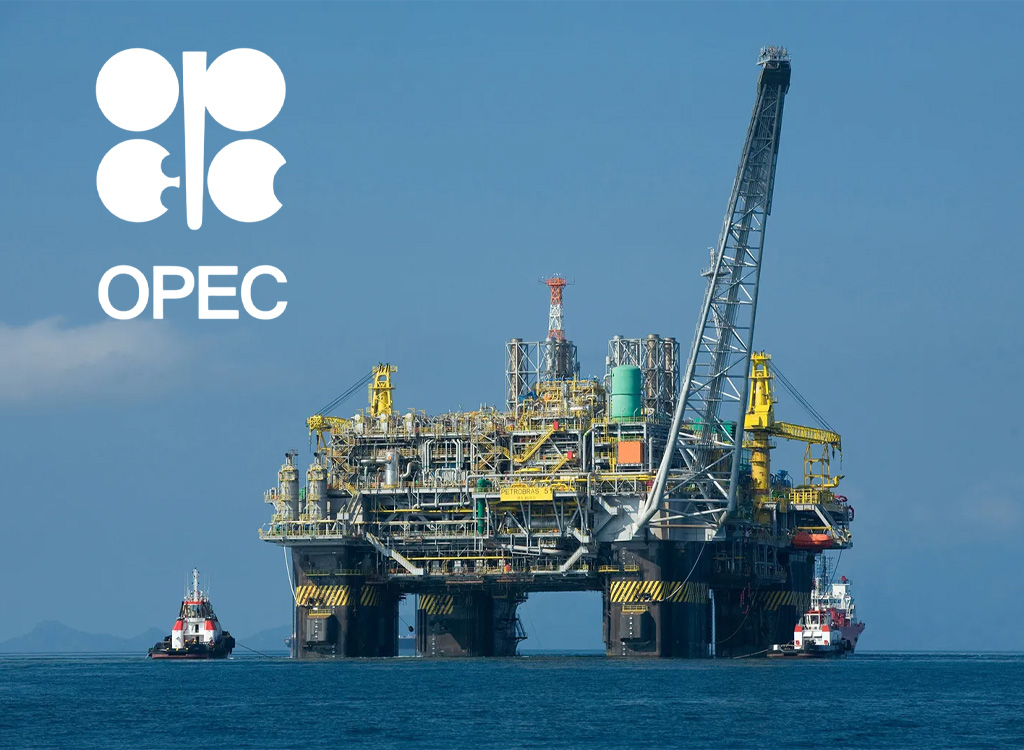
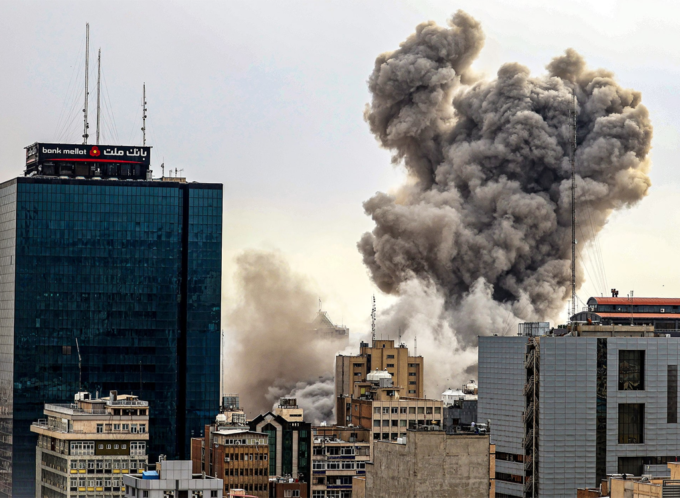
The Organization of the Petroleum Exporting Countries (OPEC) has agreed to increase oil output quotas by 206,000 barrels per day for May, a rise that is largely symbolic as some of its key members are unable to raise production due to the US-Israeli war on Iran.
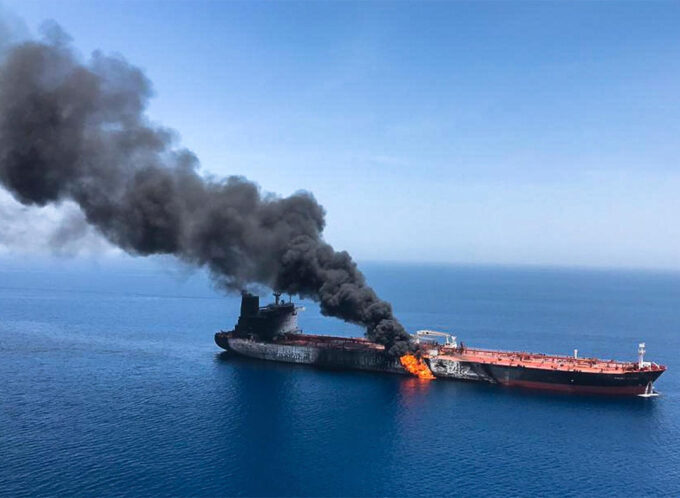
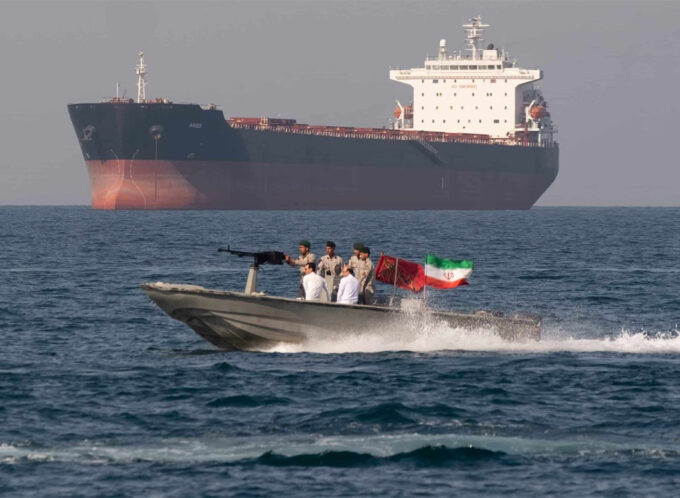
The war has effectively blocked the Strait of Hormuz – the world’s most important oil route – since the end of February and cut exports from OPEC+ members Saudi Arabia, the United Arab Emirates (UAE), Kuwait and Iraq.
In a statement on Sunday, eight members of OPEC+, including Saudi Arabia, Russia, Iraq, the UAE, Kuwait, Kazakhstan, Algeria, and Oman, agreed to increase May quotas during a virtual meeting.
“The countries will continue to closely monitor and assess market conditions, and in their continuous efforts to support market stability,” the statement read.
“The eight countries also expressed concern regarding attacks on energy infrastructure, noting that restoring damaged energy assets to full capacity is both costly and takes a long time, thereby affecting overall supply availability,” it added.
While the quota increase represents less than two per cent of the supply disrupted by the closure of the strait, OPEC+ sources told the Reuters news agency that the pledge had signalled readiness to raise output once the waterway reopens.
Crude prices have surged to a four-year high amid the war, close to $120 a barrel, leading to higher prices for transport fuels.
On Thursday, JPMorgan said oil prices could spike above $150, an all-time high, if oil flows through the Strait of Hormuz remain disrupted into mid-May.
May’s increase is the same as the eight members had agreed on for April at their last meeting on March 1. But amid the war, oil supply disruption on record is estimated to have removed as much as 12 to 15 million bpd or up to 15 percent of global supply.
With the strait still closed, Iran has allowed some countries in the region to use the waterway.
Iran has said Iraq was exempt from any transit restrictions through the strait, with shipping data on Sunday showing a tanker loaded with Iraqi crude passing through the waterway.
Oman’s Foreign Ministry announced on Sunday that deputy foreign minister-level talks were being held with Iran to discuss options to ensure the smooth transit of vessels through the Strait of Hormuz.
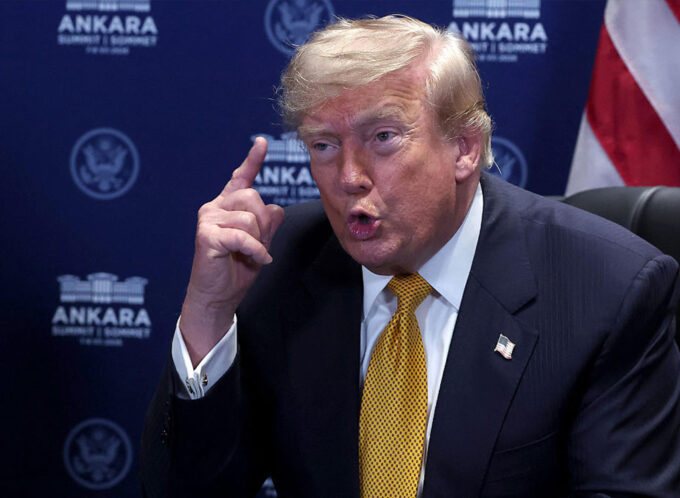
US President Donald Trump threatened to escalate attacks and target Iranian civilian infrastructure, including bridges and power plants, if the Strait of Hormuz is not reopened by Monday.
Source: Al Jazeera









Leave a comment