
By The Pulseline News Desk
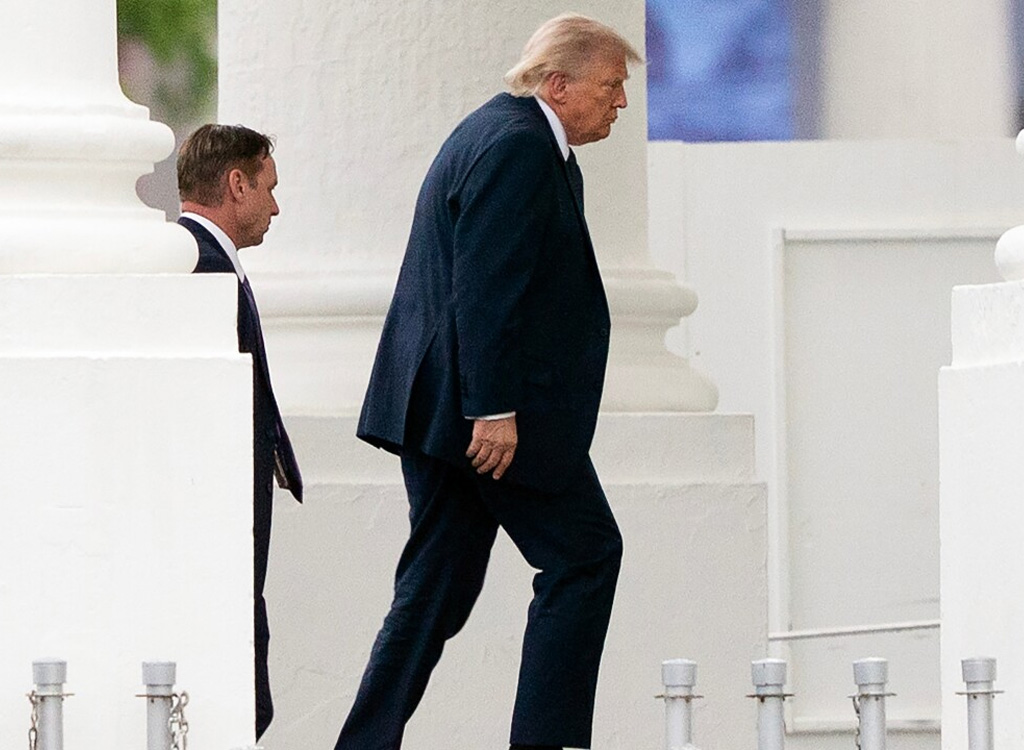
U.S. President Donald Trump has claimed that a deal with Iran is “largely negotiated,” with discussions reportedly including the reopening of the strategically important Strait of Hormuz amid efforts to ease escalating tensions in the Middle East.
Speaking as negotiations continued behind closed doors, Trump said both sides were close to finalizing key elements of an agreement that could help stabilise the region after months of conflict and uncertainty.
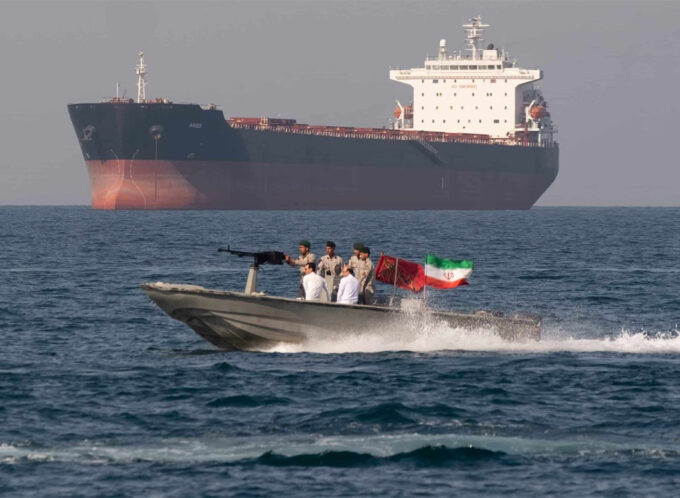
The proposed arrangement is expected to address maritime security in the Persian Gulf, including renewed access through the Strait of Hormuz – one of the world’s busiest oil transit routes. The narrow waterway is vital to global energy supplies, carrying nearly a fifth of the world’s traded oil.
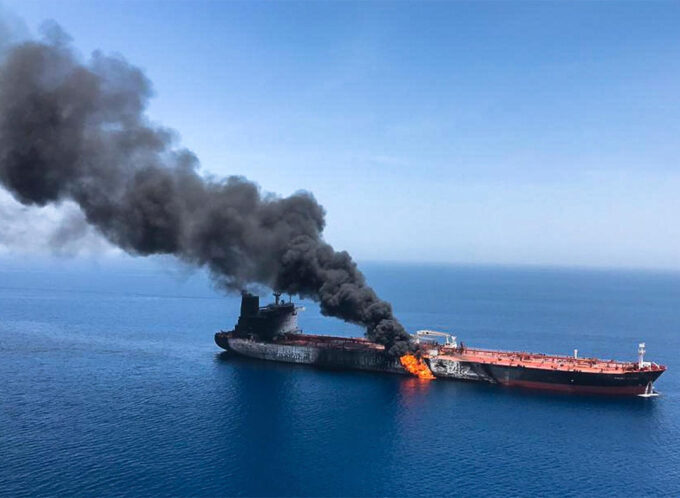
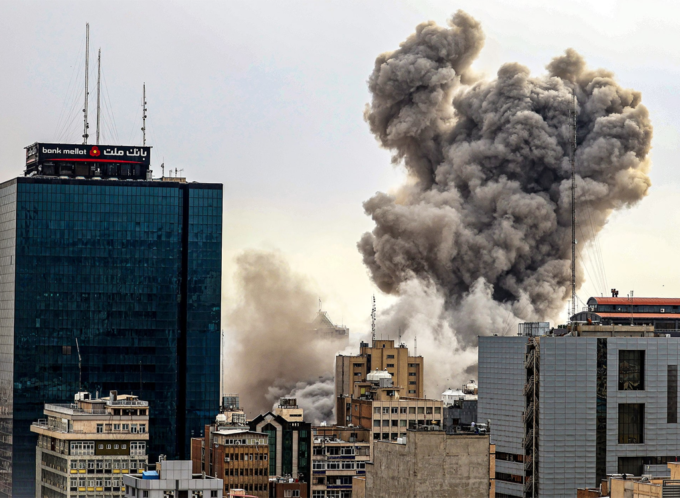
Tensions surrounding the Strait intensified earlier this year after military confrontations involving Iran, the U.S. and Israel raised fears of broader regional instability. Disruptions to shipping traffic through the corridor have triggered sharp increases in global oil prices and renewed concerns over energy security.
Trump described the negotiations as a significant diplomatic breakthrough, suggesting that multiple regional actors had played a role in facilitating talks. However, he stopped short of providing detailed terms of the proposed agreement or a timeline for its implementation.
Iranian officials have responded cautiously to Trump’s remarks, with reports indicating that Tehran continues to seek guarantees over sanctions relief and restrictions on its oil exports. Iranian representatives have also emphasized that any long-term agreement must protect the country’s strategic interests and sovereignty.
Diplomatic sources say discussions are believed to include a phased de-escalation process, maritime security arrangements and broader negotiations tied to Iran’s nuclear activities. Western officials continue to insist that preventing Iran from developing nuclear weapons remains a central objective of any future settlement.
The possibility of reopening the Strait of Hormuz has already influenced international markets, with oil prices showing signs of easing amid optimism that shipping disruptions may soon be reduced.
Political reactions in Washington DC have remained divided. Critics of renewed engagement with Tehran argue that previous agreements failed to limit Iran’s regional influence, while supporters of diplomacy say reducing tensions in the Gulf is critical to avoiding a wider conflict.
Despite Trump’s optimistic assessment, officials familiar with the talks caution that several major issues remain unresolved. Analysts say any final agreement would likely require extensive monitoring and continued negotiations before lasting stability can be achieved.
For now, global attention remains fixed on the outcome of the talks, with the future of the Strait of Hormuz seen as a key test of whether diplomacy can prevent further escalation in one of the world’s most volatile regions.
(With input from news agencies)









Leave a comment