
By Pulseline News Desk
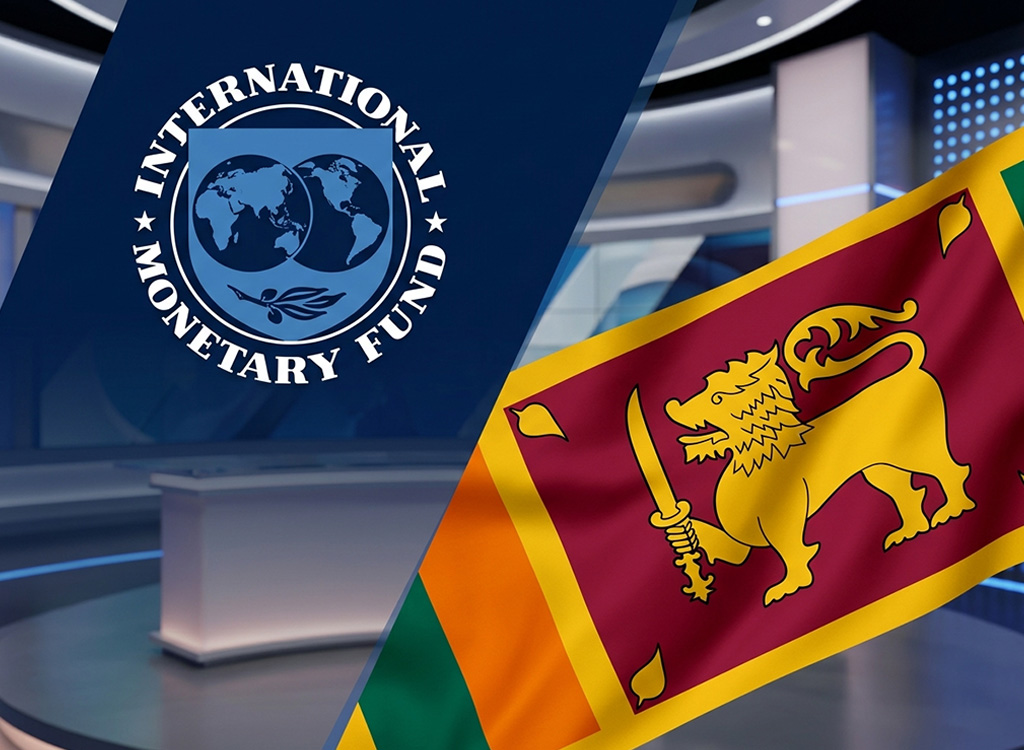
The recent staff-level agreement between the International Monetary Fund (IMF) and Sri Lanka marks another step in the island nation’s ongoing recovery from the fallout of the economic crisis. While the agreement is expected to unlock much-needed financial support and restore macroeconomic stability, it also raises critical questions about sustainability, equity, and long-term development. This article examines the agreement beyond its immediate financial implications, offering a balanced critique of its strengths and limitations.
Stabilisation as a primary objective
At its core, the IMF’s Extended Fund Facility (EFF) programme aims to stabilize Sri Lanka’s economy. Following the 2022 crisis, characterised by sovereign default, currency collapse, and runaway inflation, restoring confidence — both domestically and internationally — became essential. The agreement helps anchor inflation expectations, stabilise the exchange rate, and signal policy discipline to global investors.
However, this stabilisation comes with a narrow focus. While macroeconomic indicators may improve, such gains do not automatically translate into real economic recovery. Growth remains subdued, and domestic demand continues to struggle under the weight of austerity. The programme, therefore, risks addressing symptoms rather than the deeper structural weaknesses of the economy.
Fiscal consolidation: Reform or burden?
A central pillar of the IMF agreement is fiscal consolidation, primarily through increased taxation and reduced budget deficits. From a policy standpoint, this is justified. Sri Lanka has long suffered from a low tax-to-GDP ratio, contributing to chronic fiscal imbalances and unsustainable debt levels.
Yet, the social consequences are significant. Tax increases — particularly indirect taxes like VAT — tend to disproportionately affect middle- and lower-income groups. Combined with reductions in public expenditure, these measures can erode living standards and limit access to essential services such as healthcare and education. While fiscal discipline is necessary, the burden of adjustment appears unevenly distributed, raising concerns about fairness and inclusivity.
Governance reforms and implementation risks
The IMF agreement also emphasises structural reforms, including improvements in governance, anti-corruption measures, and restructuring of state-owned enterprises. These reforms are crucial, given that weak institutions and policy inconsistencies played a major role in Sri Lanka’s economic collapse.
Nevertheless, implementation remains the key challenge. Political resistance, bureaucratic inefficiencies, and institutional inertia have historically undermined reform efforts in Sri Lanka. Without strong political will and administrative capacity, these reforms risk remaining aspirational rather than transformative.
Social impact and rising inequality
One of the most contentious aspects of the IMF programme is its social impact. Although provisions for targeted welfare programs are included, their effectiveness depends heavily on execution. In practice, gaps in targeting and administrative inefficiencies may leave vulnerable populations inadequately protected.
Rising living costs, coupled with increased taxation, have already strained household incomes. This raises the risk of widening inequality and social discontent. The assumption that short-term hardship will lead to long-term benefits may hold in theory, but in reality, prolonged economic stress can destabilize both society and politics.
Dependence on external factors
Another critical dimension of the agreement is its reliance on external debt restructuring. Sri Lanka’s ability to fully benefit from IMF support depends on successful negotiations with bilateral and private creditors. This introduces a layer of uncertainty that is largely beyond the government’s control.
Delays or unfavorable restructuring terms could hinder progress, delay fund disbursements, and weaken investor confidence. In this sense, the country’s recovery trajectory remains vulnerable to external dynamics, highlighting the limits of domestic policy control under such programs.
Programme rigidity in a volatile environment
The delays surrounding the fifth and sixth tranches of the EFF underscore a broader issue: the rigidity of IMF programme frameworks. These programmes are typically designed around fixed timelines and performance benchmarks. However, Sri Lanka’s economic environment is highly volatile, shaped by political changes, climate-related shocks, and global economic pressures.
This mismatch can lead to delays, policy reversals, and uncertainty, ultimately undermining the program’s effectiveness. A more flexible, context-sensitive approach may be necessary for fragile economies like Sri Lanka.
Conclusion: Necessary but not sufficient
The IMF–Sri Lanka staff-level agreement represents a critical point in stabilising the country’s economy. It restores a degree of financial credibility, facilitates debt restructuring, and provides a framework for reform. However, it is not a comprehensive solution.
The agreement functions primarily as a stabilisation mechanism rather than a development strategy. Its success will depend not only on meeting IMF conditions but also on the government’s ability to foster inclusive growth, protect vulnerable populations, and implement meaningful structural reforms.
Ultimately, the real challenge lies beyond securing the next tranche of funding. It lies in transforming short-term stabilisation into long-term, equitable, and sustainable economic progress.













Leave a comment