
By Dinesh Weerakkody
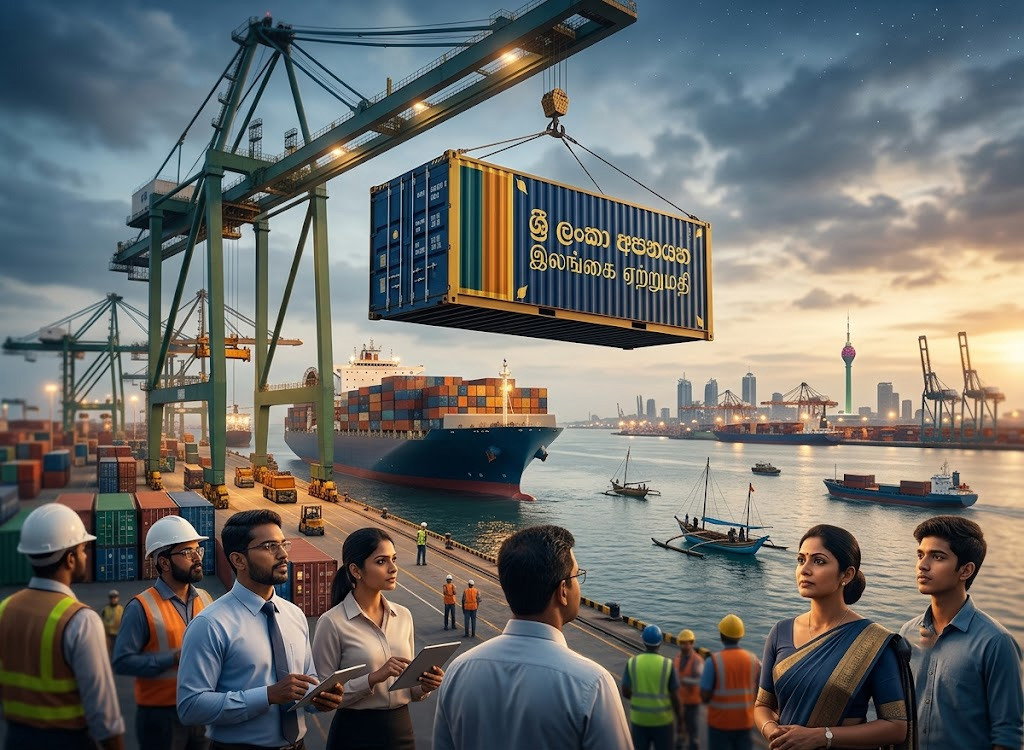
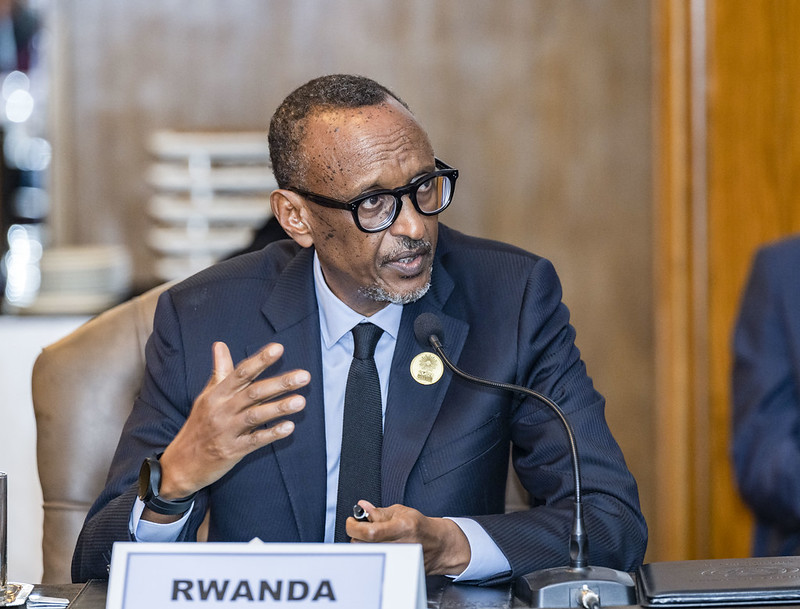
With persistent volatility in the Sri Lankan rupee, constrained sovereign credit ratings, a significant external debt burden, and ongoing repayment obligations, Sri Lanka stands at a pivotal moment. Emerging from its worst economic crisis, the nation must now choose its path to sustainable prosperity. The direction is clear: market access, not aid, will drive our future. As Paul Kagame of Rwanda has often emphasised in relation to Africa’s development experience, “Africa must trade its way out of poverty, not depend on aid.”
The Aid and Debt Trap
For decades, developing nations have measured success by the volume of external assistance they attract. History offers a stark lesson. Singapore, South Korea, Vietnam, and Ireland didn’t achieve prosperity through aid—they achieved it through trade, investment, productivity, and global integration. Aid provides temporary relief; market access creates lasting wealth. Sri Lanka cannot build its future on dependency. While multilateral support helped stabilise our economy during crisis, long-term success requires generating our own engines of growth through exports, innovation, and entrepreneurship.
The New Economic Reality
The global economy is transforming rapidly. Technology, AI, digital commerce, and global value chains are reshaping wealth creation. Sri Lanka must position itself as a competitive trading nation—exporting not just goods, but services, knowledge, and innovation. We’ve already proven our potential. Our apparel, IT, BPO, tourism, and professional services sectors compete internationally. Now we must scale these successes and build new industries capable of serving regional and global markets. Technology exports must be at the core of this transformation.
Trade Agreements as Policy Pillars
Expanding market access through high-quality trade agreements must become central to economic policy. Modern agreements encompass digital trade, services, technology partnerships, and supply chain integration. Sri Lanka must pursue opportunities that enable our businesses to access billions of consumers worldwide—not remain constrained by a domestic market of 22 million.
Commercial Diplomacy
Our embassies must transform into economic outposts. Successful nations use foreign missions to identify export opportunities, attract investment, support domestic businesses, and build strategic partnerships. Sri Lanka’s overseas missions should be measured by their contribution to exports, investment, technology transfers, and economic opportunities created for Sri Lankan enterprises. Commercial diplomacy must become a pillar of foreign policy.
Entrepreneurial Ecosystems
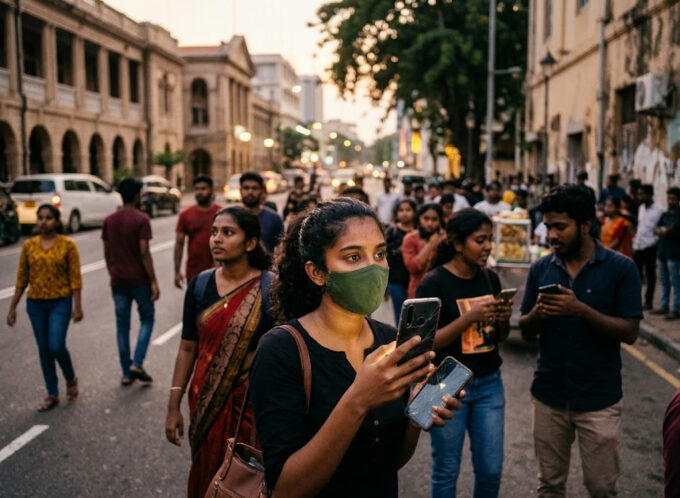
Young Sri Lankans possess creativity and ambition to build globally competitive businesses. Yet many struggle to access affordable financing. Policymakers, financial institutions, and investors must create low-cost funding mechanisms, startup platforms, and venture capital ecosystems. The next generation should build companies capable of competing across South Asia, Southeast Asia, and beyond. Technology has lowered barriers—startups from Colombo to Jaffna can reach global customers.
Unlocking Female Workforce Potential
Sri Lanka has one of South Asia’s most educated female populations, yet labour force participation languishes at approximately 35 percent. This represents one of our largest untapped economic opportunities.
Increasing female participation to 50 percent over the next decade would transform our economy—boosting household incomes, productivity, tax base, consumption, and resilience. Achieving this requires modernising labour policies: flexible work arrangements, remote opportunities, childcare support, and workplace practices that encourage participation. The future of work is flexible and technology-enabled. Our regulatory framework must evolve accordingly.
Lessons from Success
Vietnam transformed from poverty to an export powerhouse through trade liberalisation and global integration. South Korea, once aid-dependent, focused relentlessly on exports, education, and technology. Both demonstrate that sustainable prosperity comes from competitiveness and innovation—not dependency.
The Path Forward
Aid provides temporary support during crises, but market access creates sustainable prosperity. Grants and concessional financing bridge short-term gaps—they don’t create the productive capacity for long-term success. Competitive businesses, skilled workers, innovative entrepreneurs, and expanding exports do. Sri Lanka’s next chapter must be defined by a clear vision: a nation that trades more, innovates more, empowers entrepreneurs, attracts investment, and fully utilises its people’s talents. The twenty-first century belongs to nations embracing openness, competitiveness, and innovation—with technology exports at the core. For Sri Lanka, the path to prosperity lies no longer in dependency on aid, but in opportunity and access. In this new era, trade, market access, and special relationships are the most powerful engines of economic development.
References:
1. Outward-Oriented Policy Reforms and Industrialisation: The Sri Lankan Experience
Author: Prema-Chandra Athukorala
2. Trade–Aid Link: Does the Western Aid Promote Asian Exports to Sri Lanka? Author: Thangamani Bhavan
Published in: International Journal of Development Issues, 2024
3. World Bank (2020), McKinsey Global Institute (2015), OECD-WTO Aid for Trade reports.
4. https://youtu.be/ZDdBDWbSFWQ?si=9DDvA9FdAtFeTF2E
Disclaimer: The views and opinions expressed in this article are those of the writer and do not necessarily reflect the official position of this publication.











Leave a comment