
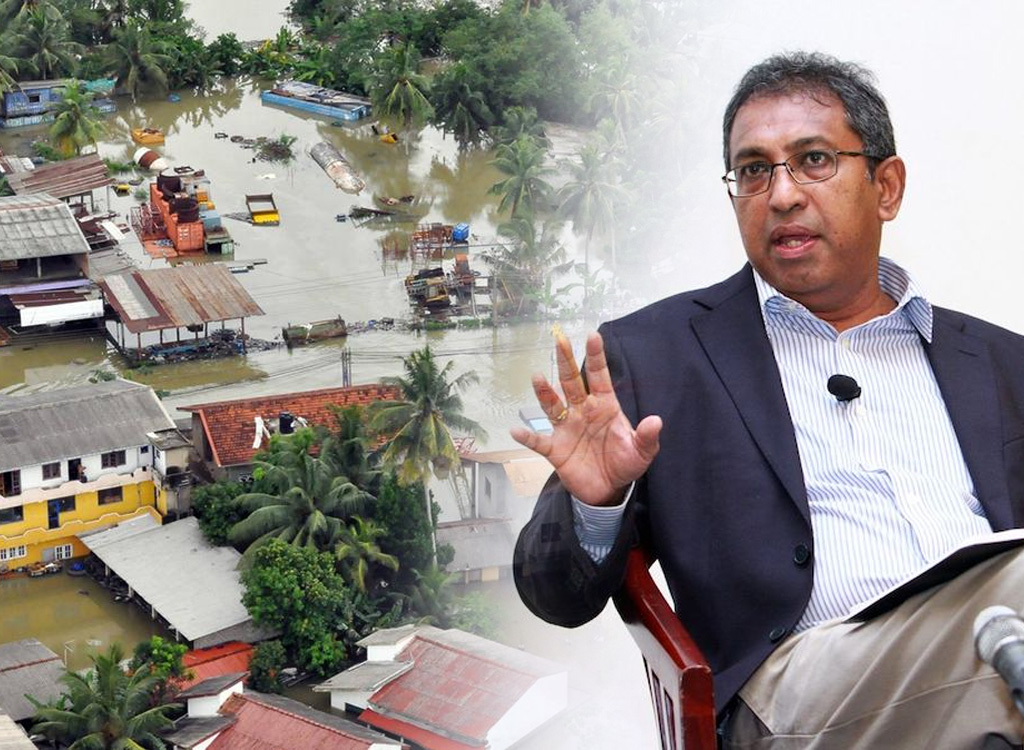
A senior Sri Lankan opposition lawmaker warned that renewed calls to suspend external sovereign debt repayments in the wake of Cyclone Ditwah could undermine the country’s fragile economic recovery, damage investor confidence and jeopardize access to climate financing needed for reconstruction.
Samagi Jana Balawegaya (SJB) MP Dr. Harsha de Silva made the comments after a group of 121 international economists and academics urged Sri Lanka to immediately halt external debt payments, noting that the country’s IMF-backed debt restructuring leaves it vulnerable to climate-related shocks.
De Silva, who also chairs the Committee on Public Finance, said that suspending repayments outside the agreed framework would risk cutting Sri Lanka off from international capital markets at a time when large-scale funding is essential for rebuilding. Credit ratings and market access, he said, are critical for securing loans for climate adaptation and disaster recovery.
“To get that funding, we must stay the course,” de Silva said in remarks shared on social media platform X, adding that deviating from the restructuring and reform program would stall credit rating upgrades and borrowing capacity.
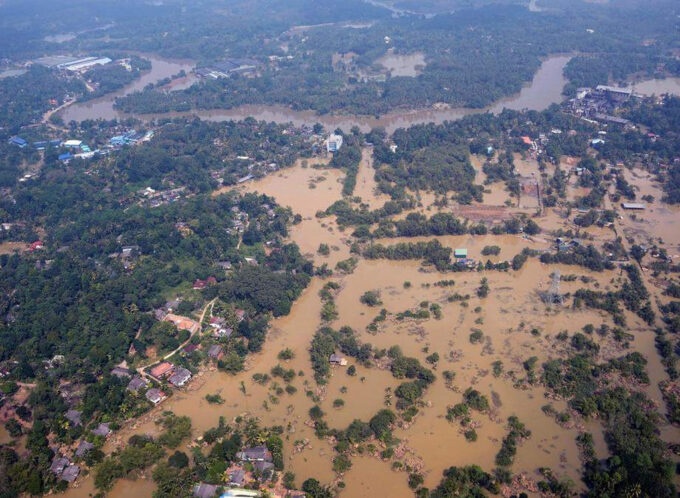
Addressing the damage caused by Cyclone Ditwah, de Silva said recovery efforts must focus on long-term resilience rather than short-term repairs.
He argued that climate-resilient infrastructure for both the public and private sectors requires substantial financing that depends on maintaining credibility with lenders and investors.
He also framed the latest calls to suspend debt as a revival of arguments made during Sri Lanka’s 2022 economic crisis, when similar proposals were used to oppose engagement with the International Monetary Fund. He described the current debate as a “rerun” of those positions.
The opposition lawmaker accused members of the now-governing National People’s Power (NPP) of abandoning their earlier criticism of the IMF’s debt sustainability analysis after coming to power. He said campaign promises to redo the restructuring process were unrealistic and politically motivated.
“In opposition, they told people restructuring was a trap,” de Silva said, alleging that senior figures who once rejected the IMF framework are now following the same path they previously condemned.










Leave a comment