
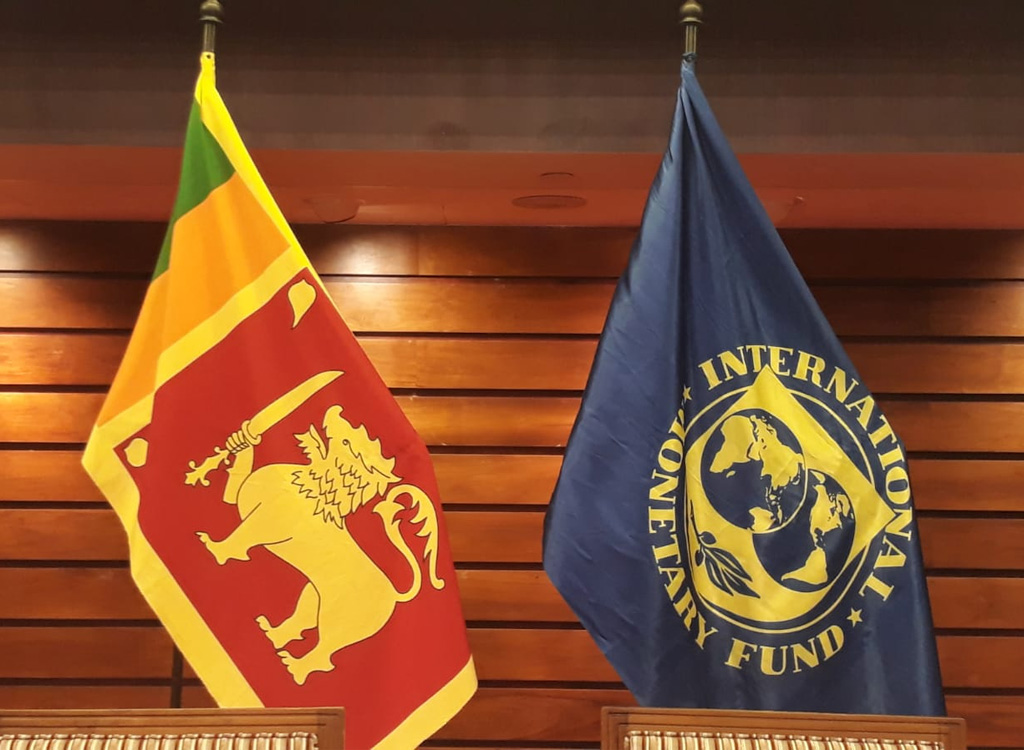
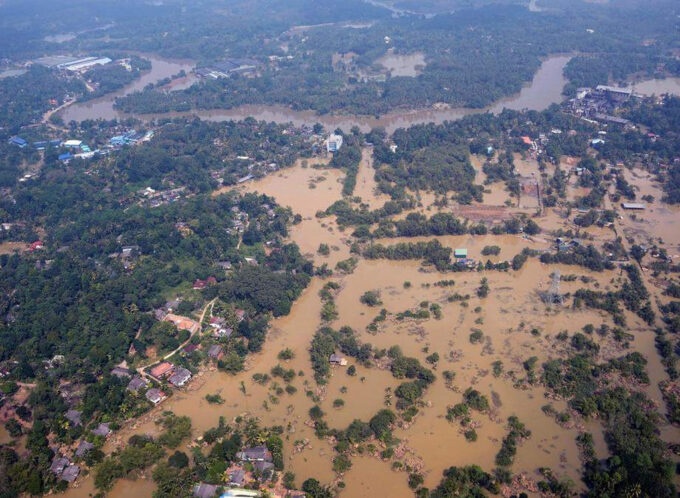
Sri Lanka faces a critical decision over whether to accept a $206 million Rapid Financing Instrument (RFI) from the International Monetary Fund (IMF) to support post-Cyclone Ditwah recovery, with experts warning that the move could significantly increase the country’s debt burden.
Dr. Nishan de Mel, Executive Director of Verité Research, says that while the IMF’s offer provides immediate liquidity, it comes with high effective costs that must be carefully assessed.
“The IMF has sent a positive signal by approving an RFI for Sri Lanka, and it provides options. But the decision to accept it should be taken with full awareness of the costs and a proper evaluation of alternatives,” Dr. de Mel said in a post on ‘X’.
He said that the effective cost of the RFI could exceed 6% in US dollar terms and rise above 11% in Sri Lankan rupee terms once exchange rate effects and charges linked to Special Drawing Rights (SDRs) are included.
He also warned that IMF time-based surcharges, which add a further 2.75% after three years, would significantly increase the long-term burden of the loan.
Dr. de Mel’s caution draws on lessons from Sri Lanka’s 2022 debt crisis, when he criticised the Central Bank of Sri Lanka’s decision to settle a $500 million international bond maturing in January 2022.
At the time, then-Central Bank Governor Ajith Nivard Cabraal argued the payment would reassure markets, but Dr. de Mel warned it would merely delay an inevitable default while depleting foreign reserves, harming essential imports including medicines.
The Government went ahead with the payment and the country subsequently defaulted in a worse position.
Looking ahead, Dr. de Mel suggested alternatives to taking on high-cost IMF debt.
He noted that domestic rupee borrowing at current three-year Treasury Bond yields of around 9% would be cheaper than the effective rupee cost of the RFI.
Domestic US dollar borrowing could also offer a lower-cost option.
Verité Research has proposed issuing a domestic US dollar bond specifically for cyclone recovery, potentially through a yield-capped second-price auction.
“Sri Lankans, including the diaspora, are already placing US dollars with local banks at rates of about 5%, indicating available appetite at lower yields,” Dr. de Mel said.
Other options include an Environmental, Social and Governance (ESG)-linked international sovereign bond tied to cyclone recovery performance, underwritten by a multilateral development bank, or seeking disaster recovery grants worth around 1% of GDP — approximately $1 billion — from multilateral and bilateral partners.
Dr. de Mel also recommended legal adjustments to expand government spending capacity, suggesting Parliament consider a temporary lift of the 13% of GDP ceiling on primary expenditure in 2026 to accommodate cyclone recovery.
“There is no immediate liquidity constraint, and recovery spending will take time,” he said, stressing the need for evaluation-based debt management to avoid repeating past mistakes.
However, both the IMF and the Sri Lankan Government maintain that the RFI is essential to avoid balance of payments pressures.
President Anura Kumara Dissanayake told Parliament on Friday that the post-Ditwah recovery requires an estimated Rs. 700 billion injection, comprising Rs. 500 billion through a supplementary estimate and Rs. 200 billion diverted from capital expenditure.










Leave a comment