
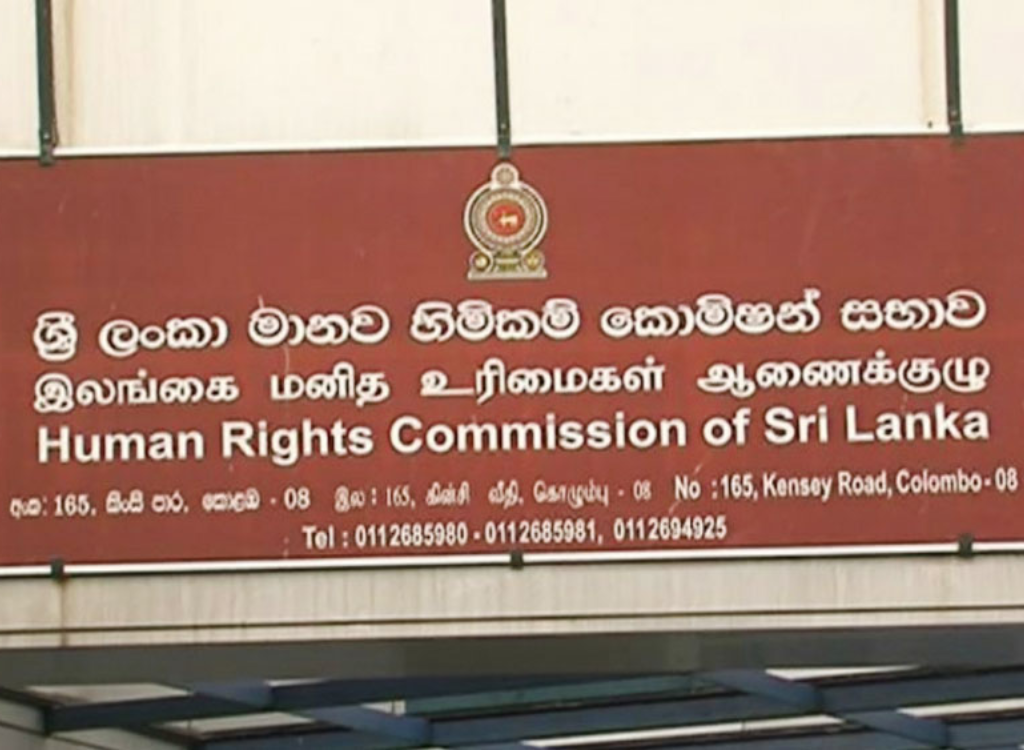
The Human Rights Commission of Sri Lanka (HRCSL) has raised concerns that certain provisions in the recently issued emergency regulations may not align with the Constitution and plans to submit its observations to President Anura Kumara Dissanayake next week.
HRCSL Commissioner Nimal G. Punchihewa told The Daily Morning that some clauses in the regulations “appear problematic at first reading” and stressed that emergency powers must operate within constitutional limits.
“The Emergency law should be used to act efficiently in specific circumstances, but Constitutional provisions cannot be exceeded. Those rights must be protected,” he said.
Punchihewa noted that parts of the regulations resemble measures typically applied during armed conflict, rather than those tailored to natural disasters.
He said while the Public Security Ordinance (Chapter 40), as amended by Act No. 8 of 1959, allows for emergency regulations, they must be designed for the specific situation at hand and aimed at addressing immediate challenges, such as maintaining essential services and supporting recovery.
“In the past, ERs were drafted to address conditions that existed at that point in time, such as the civil war. Now, with the country facing a large-scale disaster, emergency powers should be directed toward recovery efforts. However, we have observed that certain sections of the current regulations are not in line with the Constitution,” Punchihewa said.
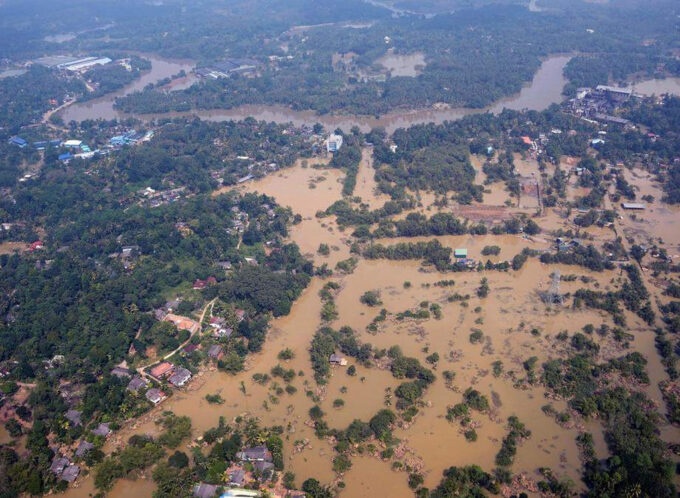
The state of emergency was declared on November 28 through Gazette 2464/30 by President Dissanayake, citing the need to protect public security, ensure public order, and maintain essential supplies and services in the aftermath of Cyclone Ditwah, which caused widespread flooding, landslides, and infrastructure damage across Sri Lanka.
Earlier this week, Deputy Public Security Minister Sunil Watagala instructed police officers to strictly enforce the emergency regulations, including provisions limiting the spread of false information about the President and other political authorities.
The directive drew criticism from multiple political parties and civil society groups, who questioned its impact on freedom of expression.
The HRCSL’s review is expected to provide detailed recommendations on aligning the emergency regulations with constitutional safeguards while addressing the ongoing disaster response.
(With inputs from The Daily Morning)








Leave a comment