
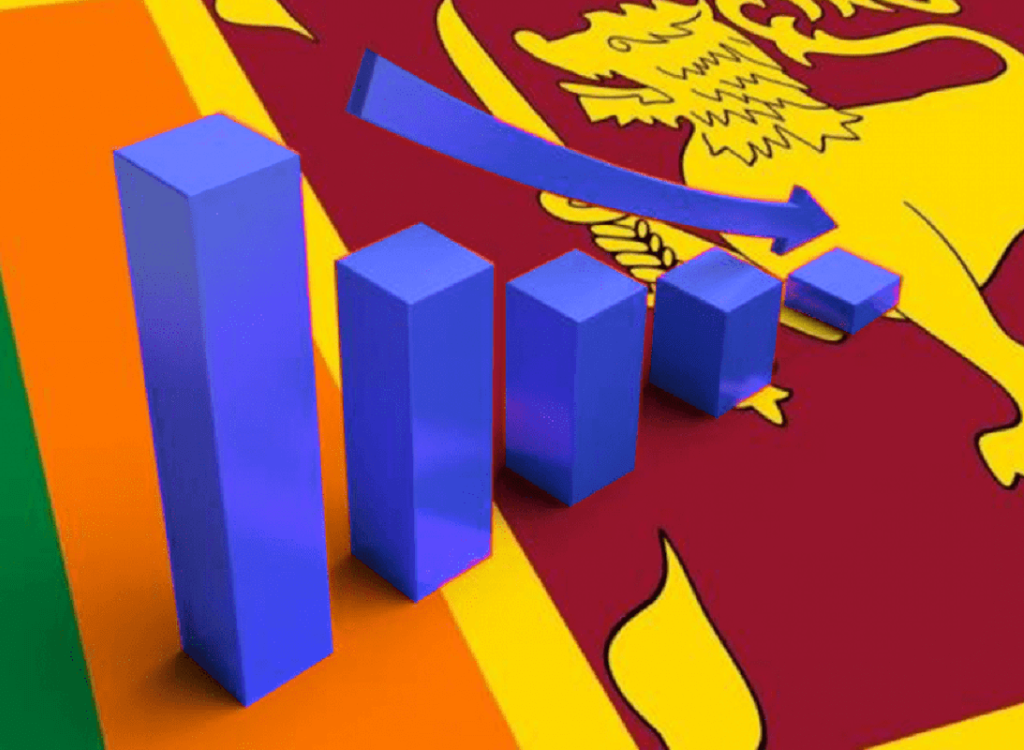
Sri Lanka’s economic recovery remains fragile, with growth projected to decelerate to 3.5 per cent in 2025, reflecting the lingering effects of the 2022 crisis, deep-rooted structural weaknesses, and growing global economic uncertainties, the World Bank said in its latest Global Economic Prospects report.
The outlook is expected to worsen further in the medium term, with growth forecast to decline to 3.1 per cent in both 2026 and 2027, underscoring persistent challenges in reviving economic momentum despite ongoing reforms.
The report paints a subdued picture for much of South Asia, noting that regional growth is decelerating following a surprisingly weak performance in 2024. According to the World Bank, activity in the region is being weighed down by rising global trade barriers, policy uncertainty, and financial market volatility.
Regional comparison
While Sri Lanka’s outlook remains cautious, India is projected to grow at 6.3 per cent in 2025/26, though this represents a downgrade of 0.4 percentage points from previous forecasts. The adjustment reflects weaker demand from major export markets and the impact of rising trade restrictions. Growth in India is expected to improve in the following years, averaging 6.6 per cent annually in 2026–2027, bolstered by strong performance in the services sector.
In contrast, other South Asian economies are expected to show moderate improvements. Bangladesh is forecast to see growth rise to 4.9 per cent in 2025/26 and 5.7 per cent in 2026/27, supported by a recovery in investment and political stability. Pakistan is projected to grow at 3.1 per cent in 2025/26 and 3.4 per cent in 2026/27, aided by easing inflation and reduced borrowing costs.
The Maldives, benefiting from a still-strong tourism sector, is expected to record GDP growth of 5.7 per cent this year, slowing to 5.3 per cent in 2026 amid weakening external demand. Afghanistan’s growth is projected to remain subdued at around 2.2 per cent due to disrupted aid flows. Bhutan and Nepal, meanwhile, are likely to see a modest boost, driven by expanded hydroelectricity production.
Risks to regional stability
The World Bank warns that the region’s outlook is clouded by a series of downside risks. These include further escalation in trade restrictions, persistent global inflation, and tightening global financial conditions. Such developments could trigger capital outflows, weaken regional currencies, and increase vulnerability across South Asia.
The report also flags potential disruptions from social unrest, geopolitical instability, and climate-related disasters as key concerns that could derail recovery efforts.
A cautious road ahead for Sri Lanka
For Sri Lanka, the subdued projections reflect both domestic and external headwinds. Although the government has undertaken major reforms under the IMF-backed programme, growth continues to be constrained by weak investor confidence, structural rigidities, and reduced household consumption.
The World Bank’s latest forecast reaffirms the need for sustained policy discipline, improved governance, and targeted structural reforms to ensure inclusive and resilient economic growth in the years ahead.











Leave a comment