
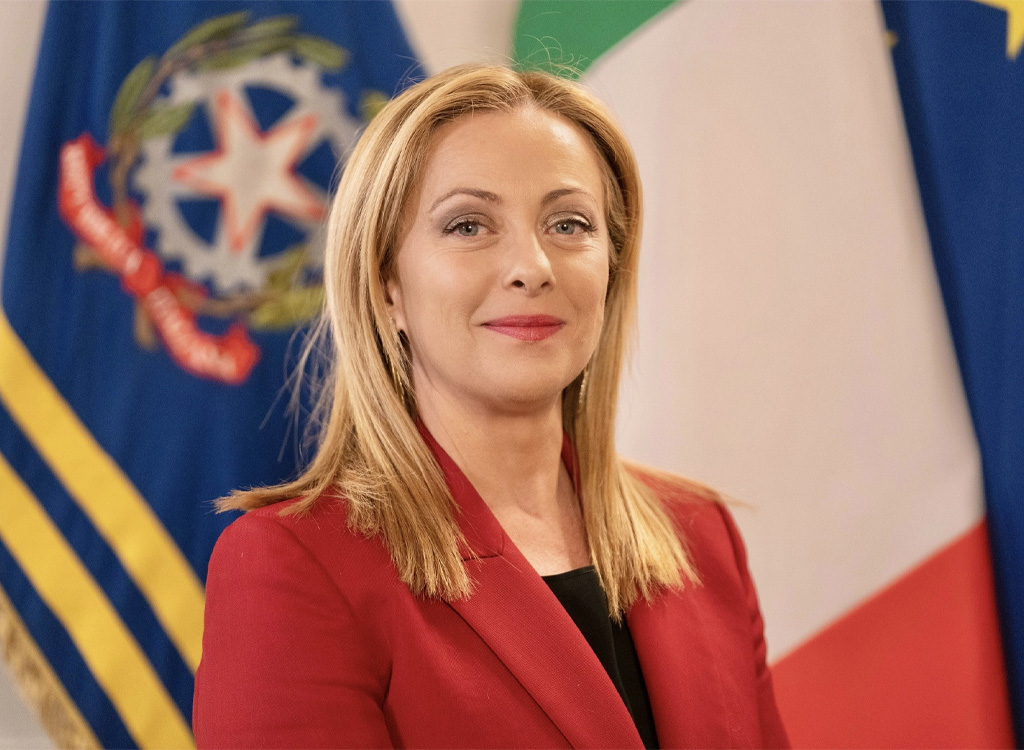
Italy has taken a notable step back from direct involvement in the escalating tensions in the Middle East, signaling a more cautious and independent foreign policy stance. Recent decisions by the government of Giorgia Meloni highlight a shift away from automatic alignment with allies such as Israel and the United States.
In April 2026, Italy suspended the renewal of its longstanding defense cooperation agreement with Israel. The pact had previously facilitated collaboration in military training, defense technology, and weapons procurement. Officials indicated that the move was influenced by growing concern over Israel’s ongoing military operations in the region, particularly in conflict zones where civilian casualties and humanitarian issues have drawn international criticism.
This decision marks a significant departure from Italy’s traditionally strong defense relationship with Israel. While Rome has not severed ties completely, the suspension reflects increasing political pressure within Italy to reassess its role amid a widening regional conflict.
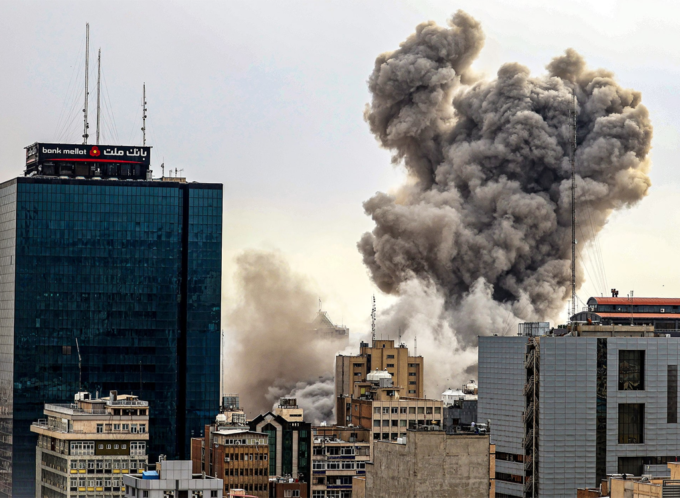
In a related development, Italy also refused to grant permission for U.S. military aircraft to use the Sigonella air base in Sicily for operations connected to potential strikes on Iran. The base, a key strategic hub in the Mediterranean, has historically supported NATO operations. However, Italian authorities emphasized that any use of national territory for offensive military actions requires explicit government approval, which was not granted in this case.
The refusal underscores Italy’s intention to avoid direct participation in military actions that could further escalate the conflict. Domestic considerations, including public opinion and constitutional constraints, played a significant role in the decision. Many within Italy have expressed concern about the risks of becoming entangled in a broader war, particularly one that could have economic and security repercussions across Europe.
Despite these moves, Italy remains committed to its obligations within NATO and continues to support defensive cooperation with its allies. Government officials have reiterated their preference for diplomatic solutions and de-escalation, rather than expanded military engagement.
Taken together, these actions illustrate Italy’s effort to balance alliance commitments with national interests and public sentiment. As tensions in the Middle East continue to evolve, Italy’s approach may reflect a broader trend among European nations seeking to limit their exposure to an increasingly volatile geopolitical landscape.








Leave a comment