
By The Pulseline News Desk
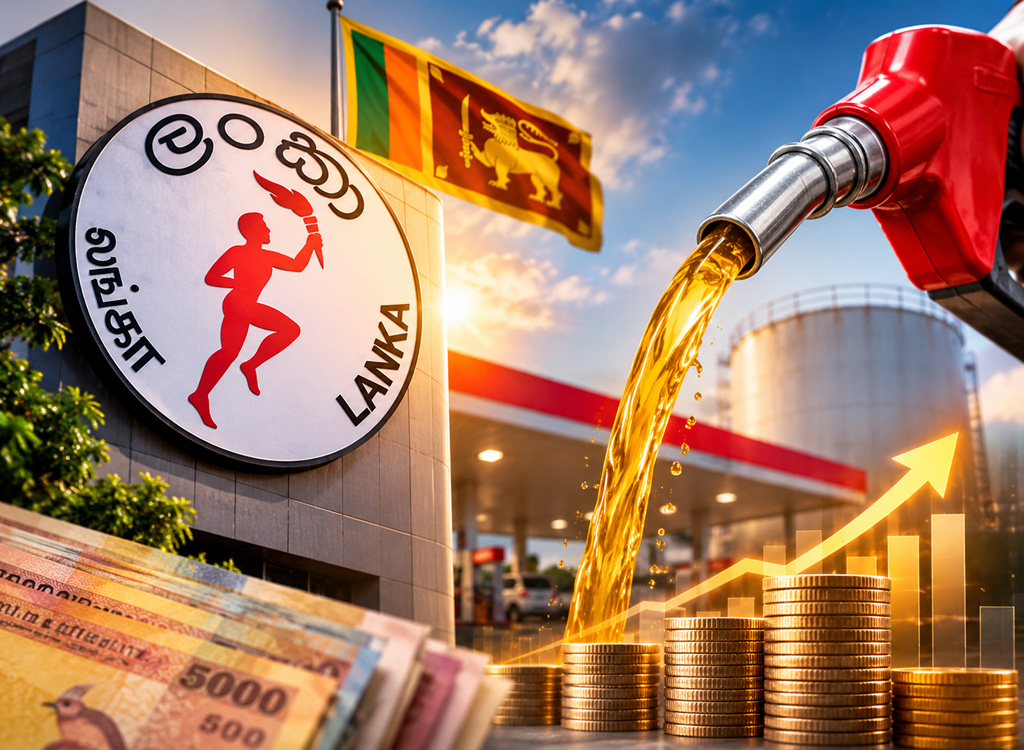
The Ceylon Petroleum Corporation (CPC) has recorded a net profit of Rs.29.2 billion during the first six months of 2026, a 71.8% increase from the Rs.17 billion reported in the corresponding period last year, largely supported by a Rs.41 billion Government subsidy to cushion the impact of rising global petroleum prices.
According to the Ministry of Finance’s Mid-Year Fiscal Position Report 2026, the corporation’s improved bottom line came despite a sharp deterioration in its underlying gross profitability, with gross profit falling 72.9% to Rs.8.9 billion from Rs.32.8 billion a year earlier.
The report has attributed the increase in operating profit, which rose to Rs.23.9 billion from Rs.11.1 billion, mainly to Treasury financial support provided between April and June.
The Government has disbursed approximately Rs.57 billion in fuel subsidies to participants in the domestic petroleum market during the second quarter, of which Rs.41 billion went to the CPC. The subsidies were introduced to cushion consumers and petroleum distributors against higher international fuel costs following the escalation of the conflict in the Middle East and disruptions to global energy supplies.
The figures highlight the extent to which Government intervention supported the CPC’s financial performance during the period, even as its import costs and cost of sales increased substantially.
The corporation’s net sales revenue has increased 40.4% to Rs.576.6 billion during January-June 2026, compared with Rs.410.7 billion in the corresponding period last year. The increase was largely attributed to higher domestic fuel prices.
However, the higher revenue came alongside a substantial increase in import expenditure. CPC’s petroleum import bill has surged 73.8% to US$1.74 billion during the first half of the year, compared with approximately US$1 billion a year earlier.
Its cost of sales has consequently increased 50.2% to Rs.567.6 billion from Rs.377.9 billion.
The corporation has also recorded an unrealised foreign exchange gain of Rs.7.2 billion, compared with Rs.3.5 billion in the first six months of 2025, providing a further contribution to its reported financial performance.
The results point to a growing distinction between the CPC’s reported profitability and its operational performance. Although the corporation has posted a higher net profit, the steep contraction in gross profit and rising petroleum import costs underline its continued exposure to international energy prices.
The Rs.41 billion Treasury subsidy also represents a significant fiscal commitment, raising questions about the sustainability of Government support should global oil prices remain elevated.
The Finance Ministry has said the subsidies were intended to stabilise the domestic petroleum market and limit the economic impact of higher international fuel prices on consumers.













Leave a comment