
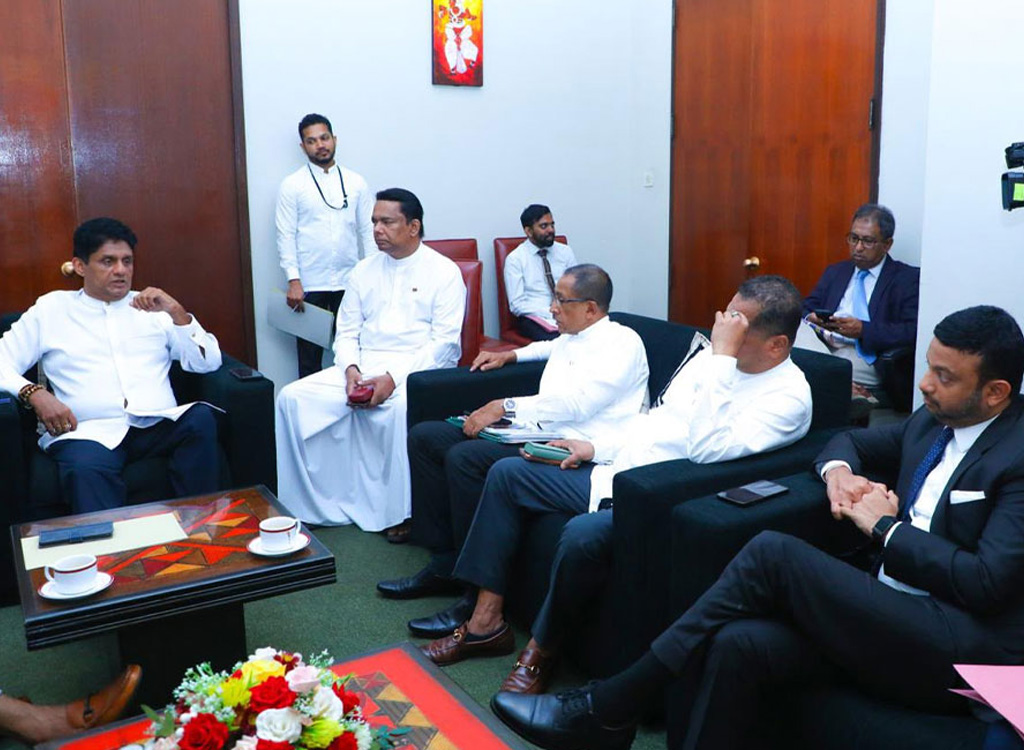
Opposition Leader convenes MPs at Opposition Leader’s Office, calls denial of debate “a blow to democratic principles”
By The Pulseline News Desk
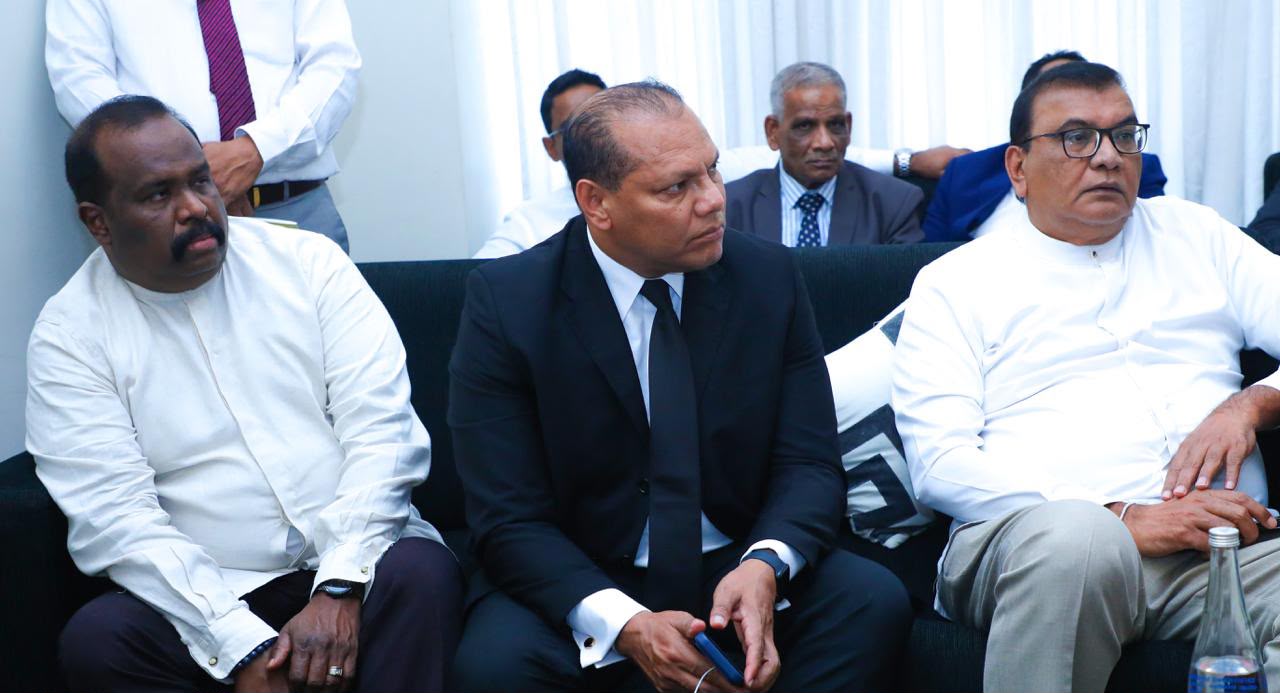
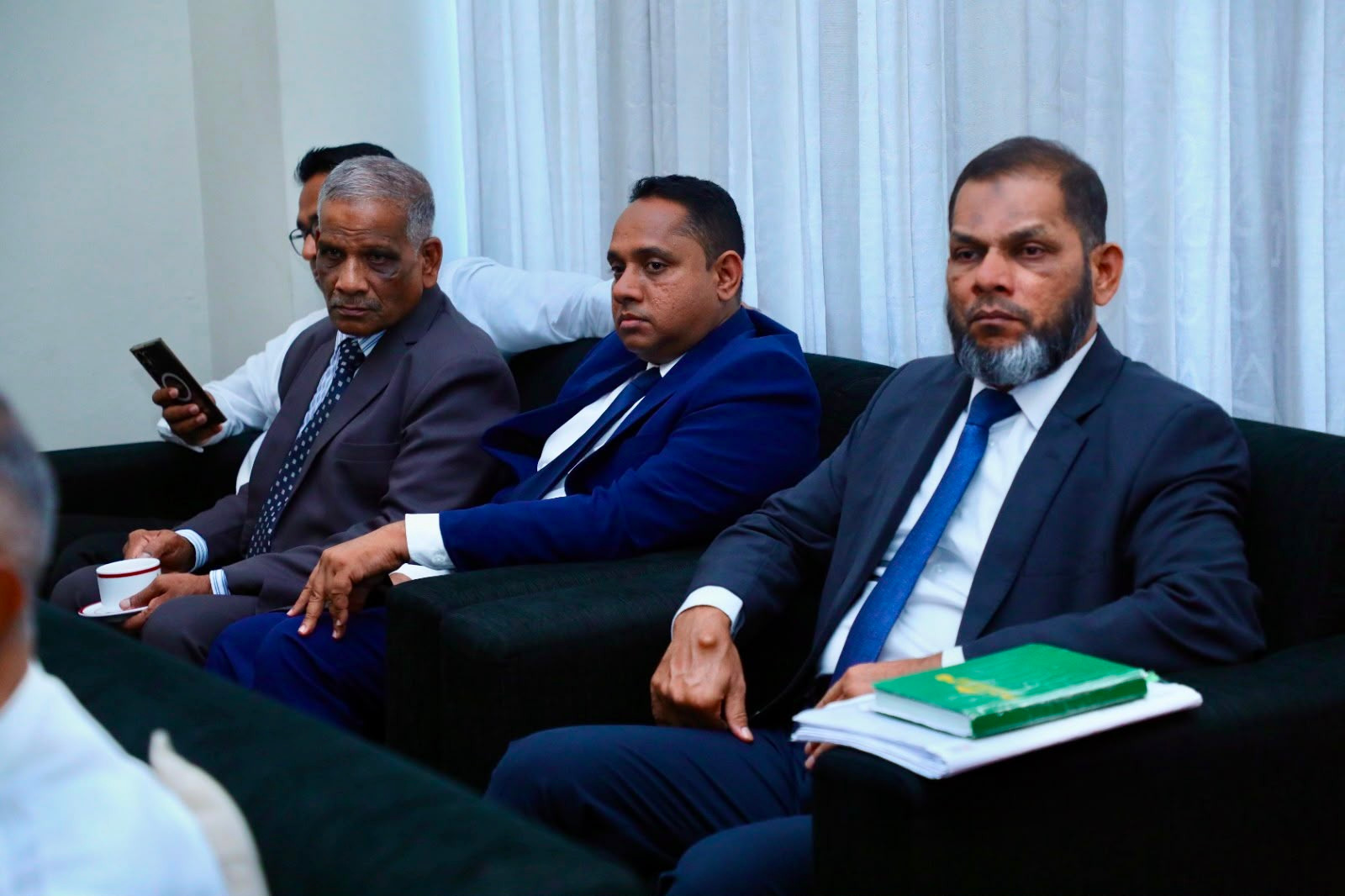
The government’s decision to block a parliamentary debate on matters concerning the judiciary has triggered an urgent gathering of opposition members of parliament (MPs), called on short notice to the Opposition Leader’s Office in Parliament and chaired by Opposition Leader Sajith Premadasa.
The meeting was a direct response to what opposition parties see as a troubling pattern: a request for open, principled debate on the judiciary, rebuffed by the government without meaningful engagement.
A request rooted in first principles
The demand was not a new one. At the previous party leaders’ meeting, the opposition had asked for a debate framed explicitly around the foundations of democratic governance — the Tripartite System dividing Legislature, Executive, and Judiciary, the doctrine of Separation of Powers, and the checks and balances that hold each branch accountable to the others.
The government did not agree to it.
That refusal had brought opposition MPs together. For many in the room, the issue goes beyond parliamentary procedure. It touches the basic architecture of how power is meant to be distributed and restrained in a democracy — and opposition members argue that when questions about judicial independence cannot even be raised on the floor of Parliament, something more fundamental is at stake.
“A blow to democratic principles”
Speaking after the meeting, Premadasa did not mince words, describing the government’s refusal to permit debate on judicial matters as a blow to democratic principles. The remark set the tone for a wider discussion among MPs on how the opposition should respond — not just in terms of political messaging, but in terms of concrete parliamentary strategy.
Opposition members used the meeting to stress a point they consider non-negotiable: that issues touching judicial independence cannot be managed quietly or deferred indefinitely. They must be debated openly, in Parliament, where the public can see the arguments made and the positions taken. Denying that space, they warned, does not make the underlying concerns disappear — it simply removes them from democratic scrutiny.
What comes next
The bulk of the meeting was reportedly devoted to mapping out next steps — both the parliamentary mechanisms available to force the issue back onto the agenda, and the broader political response the opposition intends to mount if the government continues to resist.
Details of the specific measures under consideration were not disclosed, but the tone from within the Opposition Leader’s Office was unambiguous: this is not a matter the opposition intends to let quietly drop. With judicial independence now positioned as a live political flashpoint, the coming weeks are likely to see the opposition test just how far it can push the issue — inside Parliament, and beyond it.







Leave a comment