
By The Pulseline News Desk
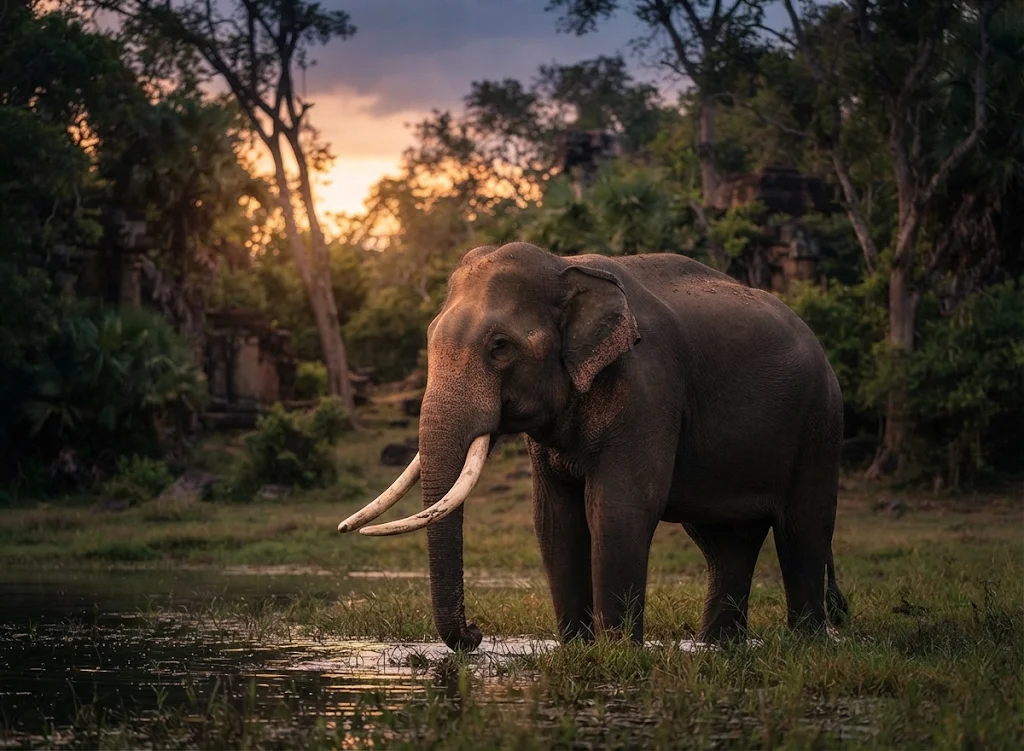
Questions over the treatment of tusker Kawanthissa, alleged negligence by wildlife officers and the possibility of poisoning had featured prominently in submissions before the Galgamuwa Magistrate’s Court, as investigations into the elephant’s death continued.
The concerns have emerged following an interim post-mortem report dated November 6, 2026, which had ruled out gunshot injuries as the cause of death and identified intestinal torsion, medically described as large intestinal volvulus, accompanied by severe toxaemia, as the cause.
Appearing on behalf of wildlife photographer Pathum Bandara, President’s Counsel Upul Jayasuriya has told court that the findings had raised serious questions about the treatment provided to the tusker, particularly after wildlife officers had initially attended to an injury to its right front leg.
He has pointed out that although the post-mortem examination had identified three gunshot injuries in the lower abdominal region, these injuries had not caused the animal’s death.
Jayasuriya has further highlighted the report’s recommendation that samples be referred to the Government Analyst to establish the nature of toxins detected in the animal’s body, arguing that the findings warranted a comprehensive investigation into the circumstances surrounding its death.
He has maintained that the investigation should examine whether the treatment provided by wildlife authorities had been adequate and whether any lapses had contributed to the tusker’s death.
Independent post-mortem
Seeking further scrutiny, Jayasuriya has requested court intervention to facilitate an independent post-mortem examination by a foreign veterinary team, suggesting that specialists from Thailand could undertake the process.
He has told court that his client was willing to facilitate such an examination and coordinate with the Thai Embassy, provided the court issued the necessary order.
However, Magistrate Ravindra Ranjan Bandara has rejected the request, observing that an application for such an examination should be made by the prosecution rather than a third party.
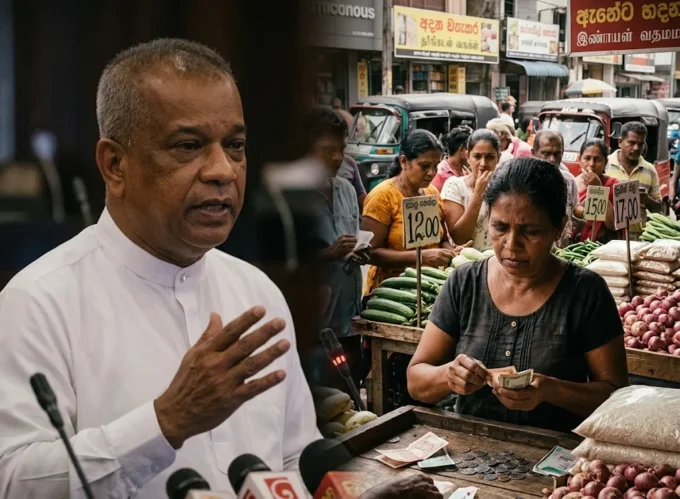
Meanwhile, Jayasuriya has also raised concerns over the utilisation of public funds allocated for wild elephant conservation. He has alleged that although Rs. 1 billion had been allocated through the Budget for elephant conservation, only around 30% had been spent, leaving more than 70% unutilised.
Effectiveness of protection
The submissions has added another dimension to the controversy surrounding Kawanthissa’s death, bringing attention not only to the circumstances of the incident but also to broader questions about the effectiveness of wildlife protection measures and the accountability of responsible authorities.
Despite rejecting the request for a foreign post-mortem examination, the Magistrate has permitted several parties, including Bandara and environmental organisation Voice for Bharhiya, to intervene in the magisterial inquiry.
The Department of Wildlife Conservation has informed court that the Criminal Investigation Department (CID), together with the department, was investigating the incident. Court was also informed that a Presidential Commission had been appointed to investigate the tusker’s death.
The CID was directed to appear before court on December 7 as the inquiry continues.











Leave a comment