
By The Pulseline News Desk
Sri Lanka’s electricity consumers may get a much-needed reprieve from another increase in power bills, with the Government signalling that it does not expect to seek an electricity tariff hike in the next quarter.
Minister of Energy Anura Karunathilaka has told Parliament that the Government is currently not expecting to request an increase in electricity tariffs, citing a recent decline in the cost of power generation.
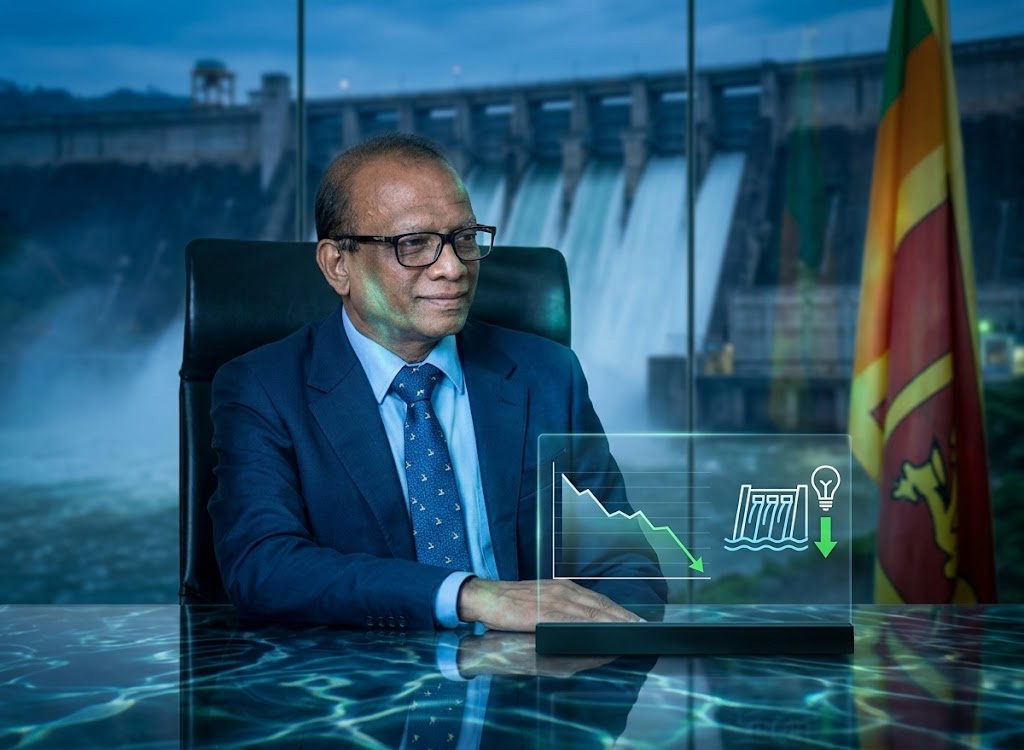
The key factor behind the lower generation cost has been increased hydropower generation following improved rainfall and rising water levels in the country’s reservoirs.
With more water available for hydroelectric generation, the Ceylon Electricity Board (CEB) has been able to rely more heavily on one of its lower-cost sources of electricity, reducing the need to depend as heavily on more expensive thermal power generation.
The improvement in reservoir levels has therefore provided some relief at a time when electricity costs remain a sensitive issue for households and businesses.
Karunathilaka has said the improved water availability had helped lower generation costs while allowing electricity supply to be managed more efficiently.
Hydro power provides breathing space
Hydropower remains particularly important to Sri Lanka’s electricity system because its generation cost is generally lower than that of thermal power, although its availability depends heavily on rainfall and reservoir levels.
When rainfall is inadequate, the CEB has to increasingly turn to thermal generation, including plants using imported fuel. This can significantly raise the cost of electricity generation and place pressure on electricity tariffs.
The current improvement in water availability has consequently created a more favourable operating environment for the power sector.
For consumers, however, the immediate significance is straightforward: the Government does not currently anticipate another electricity tariff increase next quarter.
This could offer some relief to households already facing higher living costs, while also helping businesses manage operating expenses.
But the pressure is not gone
The latest development does not necessarily mean electricity prices are permanently stabilised.
Sri Lanka’s electricity generation costs remain vulnerable to changes in rainfall, fuel prices, exchange rates and the financial position of the power sector.
A prolonged dry spell could quickly reduce hydropower generation and force the CEB to increase thermal power generation again. Similarly, higher international fuel prices or movements in the rupee could increase the cost of producing electricity.
This makes the present improvement in hydropower generation an important opportunity for the Government to strengthen the financial position of the electricity sector while costs are relatively favourable.
The Government will therefore face the challenge of balancing consumer affordability with the need to ensure that the electricity sector remains financially sustainable.
For now, however, increased rainfall and fuller reservoirs appear to have delivered something electricity consumers have been waiting for — a break from the cycle of rising electricity tariffs.









Leave a comment