
By The Pulseline News Desk
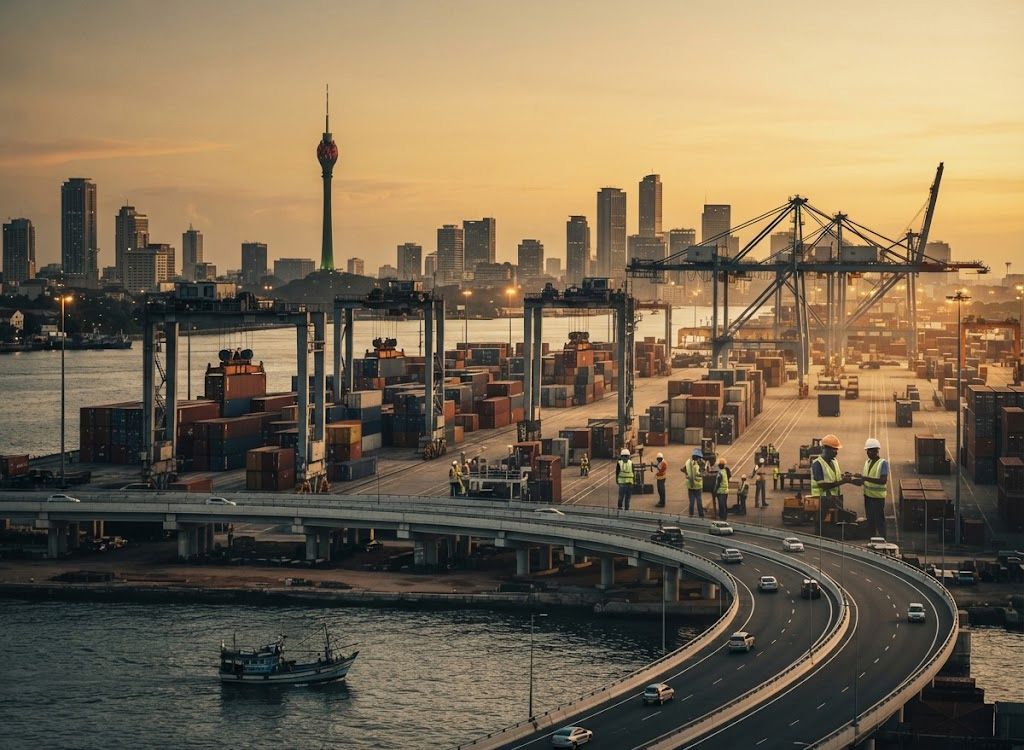
Sri Lanka’s economic recovery has reached a critical juncture, with the Government now seeking to turn the macroeconomic stability achieved over the past two years into broader economic transformation, Labour Minister and Deputy Minister of Finance Anil Jayantha Fernando said.
Addressing a ceremony at the Ministry of Labour on September 30, Fernando has said Sri Lanka had achieved macroeconomic stability within a relatively short period despite earlier assessments that the process could take at least five years.
He has attributed the progress to the contribution, cooperation and commitment of stakeholders involved in the country’s economic recovery.
But he has cautioned that stabilising the economy was only the first stage of the recovery process.
“The main challenge before us now is to develop the right strategies to move forward from economic stability and take the country towards economic transformation,” he has said.
The Minister has said the next phase of economic policy would have to focus on generating growth and development while ensuring that the benefits of that growth are more widely shared.
The Government’s broader objective, he said, was to create “A Thriving Nation – A Beautiful Life”, with inclusive and sustainable economic growth forming a key component of that agenda.
The comments come as the Government prepares the 2027 Budget, which is expected to be presented later this year. Fernando has said the Budget was being formulated by taking into account the country’s past and present economic conditions as well as its current requirements.
The shift from stabilisation to transformation also places renewed emphasis on the labour market and the quality of employment generated by economic growth.
Fernando has stressed that decent work must remain at the centre of the country’s economic transformation, linking it directly to workers’ rights, improved working conditions, dignity, freedom and democratic values.
He has made the remarks while signing the Memorandum of Understanding for the Decent Work Country Programme (DWCP) 2026–2032 with the International Labour Organization (ILO).
The programme has been developed through cooperation among the Government, employers’ organisations and trade unions, and is intended to establish common priorities for the country’s labour market and wider world of work.
The agreement signals the Government’s intention to align its economic transformation agenda with labour standards and social protections, as Sri Lanka seeks to move beyond crisis recovery and build a more sustainable growth model.








Leave a comment