
By The Pulseline News Desk
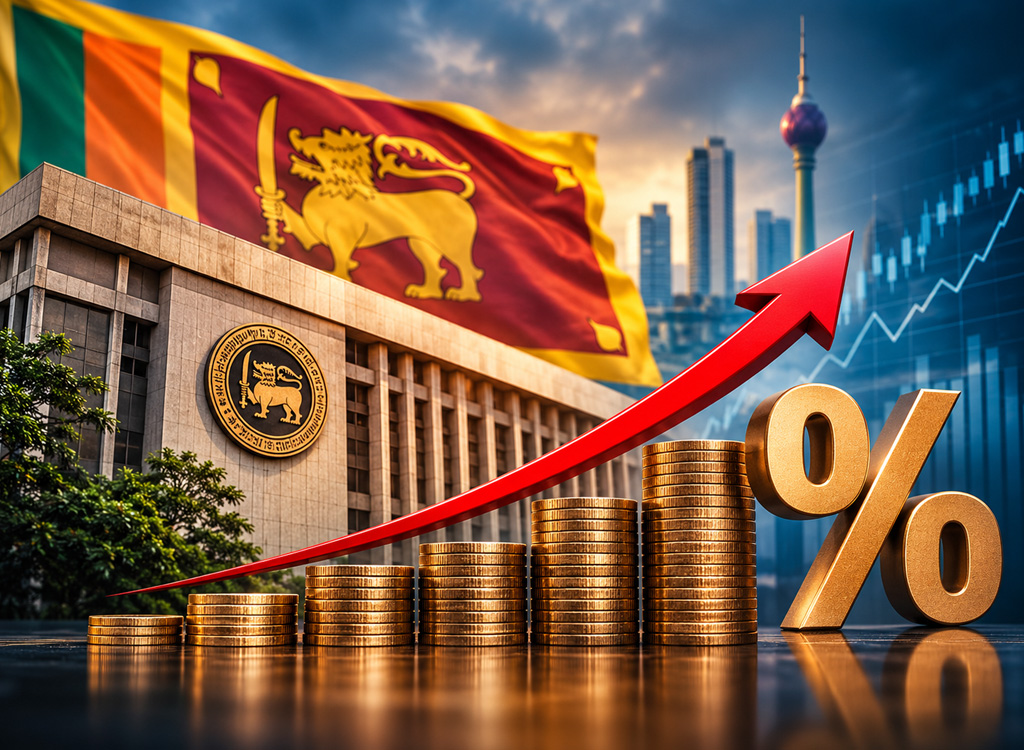
Sri Lanka’s market interest rates have continued to rise since May 2026, with the Central Bank defending its latest monetary tightening measures as necessary to contain mounting inflationary pressures and moderate credit growth.
The Central Bank of Sri Lanka (CBSL) raised its policy interest rate by a further 25 basis points to 9 percent, following an earlier 100-basis-point increase in May, as headline inflation climbed to 8.3 percent in October.
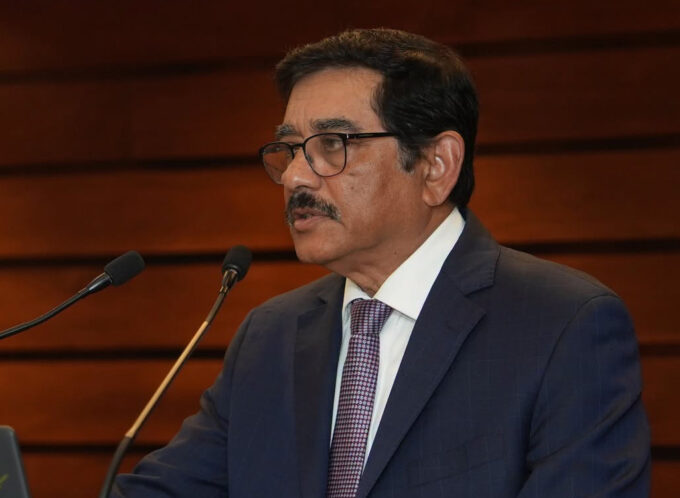
Lasitha Pathberiya, Director of CBSL’s Economic Research Department, has reportedly said borrowing and lending rates across the financial system had adjusted upwards following the May monetary policy tightening. “Since the monetary policy tightening in May 2026 by 100 basis points, we see the adjustment in market interest rates in line with this monetary policy tightening in May,” Pathberiya has said.
Since then, the interbank call money rate has increased by 108 basis points, while the one-year Treasury bill rate has risen by 146 basis points. The weekly prime lending rate has recorded an even sharper increase of 166 basis points.
The latest policy rate adjustment comes amid growing inflationary pressure, largely driven by higher energy and food prices, with CBSL seeking to prevent these increases from translating into more persistent inflation.
Private sector credit growth has eased slightly but remains elevated at 21.8 percent, adding to concerns over demand-side inflationary pressures.
Meanwhile, the rupee has remained broadly stable in recent weeks despite heightened global uncertainty, including developments surrounding the conflict in West Asia.
Pathberiya has said the rupee depreciated by just 0.06 percent during November up to the time of the statement, although its cumulative depreciation for 2026 had reached 6.9 percent.
CBSL has also continued purchasing foreign exchange from the domestic market, acquiring approximately US$1.7 billion up to October, with substantial purchases continuing into November.
These interventions have helped lift gross official reserves to approximately US$7.1 billion, despite ongoing external debt service payments.
However, the foreign exchange purchases have also injected substantial rupee liquidity into the domestic banking system, pushing market liquidity to around Rs.450 billion.
In response, the Monetary Policy Board has decided to increase the Statutory Reserve Requirement (SRR) by one percentage point to 3 percent, effective December 9.
The move is expected to absorb approximately Rs.150 billion in excess liquidity from the banking system on a permanent basis, complementing the increase in policy interest rates.
The latest measures signal a more cautious monetary policy stance as CBSL attempts to balance the need to rebuild foreign exchange reserves with the challenge of containing inflation and moderating domestic credit expansion.
While higher interest rates are expected to help restrain borrowing and spending, they could also increase financing costs for businesses and households at a time when the economy is still navigating the recovery from its recent financial crisis.









Leave a comment