
By The Pulseline News Desk
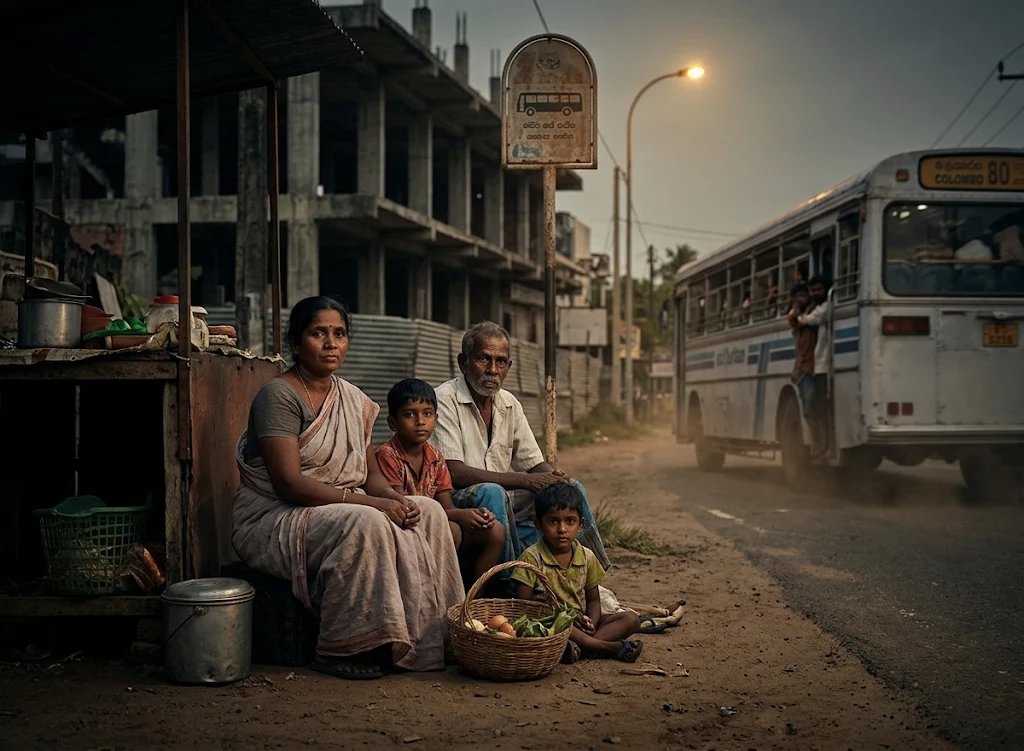
Sri Lanka’s poverty rate has reportedly increased to 16.0% in the first quarter of 2025, up from 14.3% in 2019, reversing the previous downward trend as the economic crisis and rising living costs pushed millions below the official poverty threshold, according to the latest government survey.
The Department of Census and Statistics (DCS), in its Household Income and Expenditure Survey (HIES) 2025, has reportedly estimated that approximately 3.42 million people were living below the national poverty line.
The findings have indicated a reversal of the progress made over the preceding years, when the poverty headcount index had declined from 22.5% in 2012/13 to 16.0% in 2016 and 14.3% in 2019.
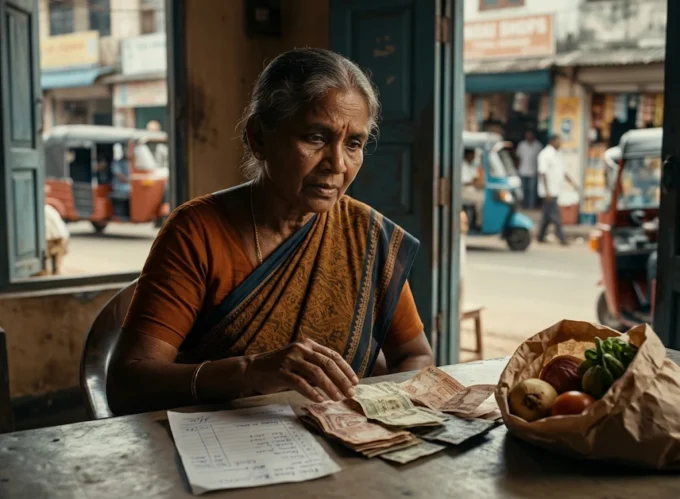
The deterioration coincided with the economic crisis that unfolded in 2022, which was accompanied by sharp increases in the prices of food, transport, energy and other essential goods and services.
The official poverty threshold has also increased substantially, rising to Rs. 16,417 per person per month in 2025 from Rs. 6,966 in 2019.
The national poverty line has subsequently continued to rise, reaching Rs. 17,742 per person per month in September 2026, according to the DCS.
The increase in the poverty threshold reflects changes in the cost of meeting basic needs and highlights the importance of adjusting poverty measurements for changes in living costs.
The survey has revealed significant disparities across residential sectors, with estate communities recording the highest poverty rate.
The estate sector’s poverty headcount index has stood at 23.0%, representing 205,624 people living below the poverty line.
The rural sector has recorded a poverty rate of 17.3%, accounting for approximately 2.93 million people in poverty and representing the largest share of the country’s poor population.
Urban areas have recorded the lowest poverty rate at 7.8%, with 279,054 people falling below the poverty threshold.
The DCS has estimated the national poverty headcount index within a 95% confidence interval of 14.5% to 17.5%, with a coefficient of variation of 4.8%.
The HIES 2025 has covered a nationally representative sample of 25,000 housing units. The survey, originally scheduled for 2022, was postponed to 2025 because of the exceptional economic conditions prevailing at the time.
The Department has said finalized district-level poverty estimates would be released at a later date. The findings provide an updated picture of household economic vulnerability following the country’s economic crisis and offer an important statistical basis for assessing poverty reduction efforts and the effectiveness of social protection programmes.












Leave a comment