
By The Pulseline News Desk
The United Nations Special Rapporteur on the independence of judges and lawyers has raised serious concerns over Sri Lanka’s proposed constitutional amendment to increase the retirement age of superior court judges, warning that the move could affect judicial independence and public confidence in the judiciary.
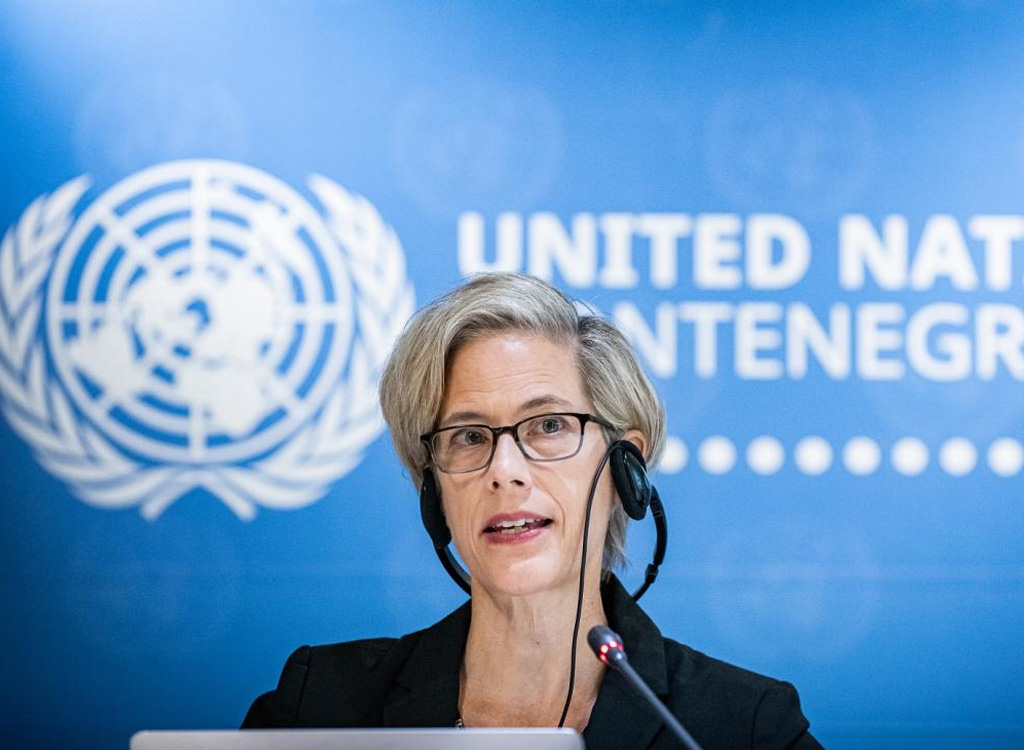
In a communication dated August 7 to the Sri Lankan Government, Special Rapporteur Margaret Satterthwaite has said the proposed amendment, in its reported form, may not be compatible with international human rights standards concerning judicial independence and the right to a fair trial.
Under the proposed changes, the mandatory retirement age of Supreme Court judges would increase from 65 to 67, while the retirement age of Court of Appeal judges would rise from 63 to 65.
A key concern highlighted by the Special Rapporteur is that the proposed changes would reportedly apply to judges currently serving on the superior courts, rather than only to judges appointed after the amendment comes into force.
Satterthwaite has acknowledged that extending judicial retirement ages could have legitimate objectives, including retaining experienced judges and ensuring institutional continuity.
However, she has stressed that changes affecting judicial tenure require particularly careful consideration because of the judiciary’s constitutional role in reviewing the actions of both the executive and legislature.
The Special Rapporteur has warned that, even though the proposal does not expressly identify individual judges as beneficiaries, its practical effect could be to extend the tenure of particular members of the Supreme Court and Court of Appeal.
This, she has said, could raise questions about the purpose and timing of the amendment, particularly if there are no transitional provisions or other objective safeguards governing its application.
According to the UN communication, the absence of such safeguards could create a perception that the constitutional change is aimed at influencing the immediate composition of the judiciary rather than establishing a generally applicable rule for the future.
Conflict-of-interest concerns
Another issue raised by the Special Rapporteur relates to the possibility that judges who could benefit from the extension may later be required to consider the constitutionality of the amendment itself.
Satterthwaite has acknowledged that such circumstances would not automatically establish actual bias. However, she has cautioned that the absence of mechanisms to address actual or perceived conflicts of interest could undermine public confidence in the impartiality of the judiciary.
The concern is particularly significant in Sri Lanka, where constitutional amendments must pass through judicial scrutiny and where public confidence in the independence of the superior courts remains central to the rule of law.
The Special Rapporteur has therefore recommended that any change to the retirement age of judges be considered as part of a transparent, inclusive and comprehensive justice reform process.
She has stressed the need for meaningful consultation involving relevant stakeholders and for safeguards capable of protecting judicial independence from actual or perceived executive or legislative interference.
An ad hoc change to judicial tenure without adequate consultation and safeguards, she has warned, could pose a serious threat to judicial independence.
Government asked to explain rationale
The Sri Lankan Government has also been asked to provide further information on several aspects of the proposed amendment.
These include the rationale for applying the increased retirement age to judges who are already serving, the safeguards proposed to prevent actual or perceived interference by the executive or legislature, and the consultations conducted before the amendment was proposed.
The Special Rapporteur has specifically sought information on consultations with the judiciary, the Bar Association of Sri Lanka (BASL), legal professionals, civil society organisations and academics.
The UN intervention comes as the Government defends the proposed increase as part of a wider effort to strengthen the justice system and address institutional and capacity-related challenges.
President Anura Kumara Dissanayake, during a meeting with representatives of the BASL on August 12, said the decision to extend the retirement age had not been taken with any individual or group in mind, but in the broader public interest.
The President also stressed that the retirement-age proposal was only one component of a wider judicial reform programme involving increased judicial capacity, improved court infrastructure and stronger investigative and prosecutorial institutions.
The BASL has said it has no policy objection to increasing the number of judges or extending their retirement age. However, it has called for the proposal concerning the retirement age to be reconsidered with a view to reaching a broader consensus.
The latest UN concerns could add further weight to calls for wider consultation before the proposed 22nd Amendment proceeds, placing the Government under greater pressure to demonstrate that the reform is intended as a long-term institutional measure rather than a change that could have immediate consequences for the composition of Sri Lanka’s superior judiciary.










Leave a comment