

By Vox Civis
Whichever way one chooses to tilt the lens, the hard truth refuses to blur: the government failed to protect its citizens from harm and death in the Cyclone Ditwah calamity. It can choose to paper over that guilt by throwing money at the wreckage, hoping the public will accept compensation as absolution. But facts, like ruins after a flood, do not disappear simply because the state wishes they would. Eventually, whether cushioned by relief packages or not, the regime and its leadership will have to confront their own failure. And by the looks of it, that confrontation is already underway.
Exactly one week after one of the most sweeping natural disasters in Sri Lanka’s modern history; its devastation multiplied by state inertia, the President walked into Parliament bearing an enormous relief package. Although on paper it reads like a lifeline, in reality, it raises a more uncomfortable question: where is this money – half a trillion rupees – coming from? When the President, who is also the Finance Minister, presented his relief package on the final day of the Budget 2026 debate, he failed to inform parliament as to how this package was to be funded with the presented budget already showing a Rs.1.7 trillion deficit or 5.1 percent of GDP.
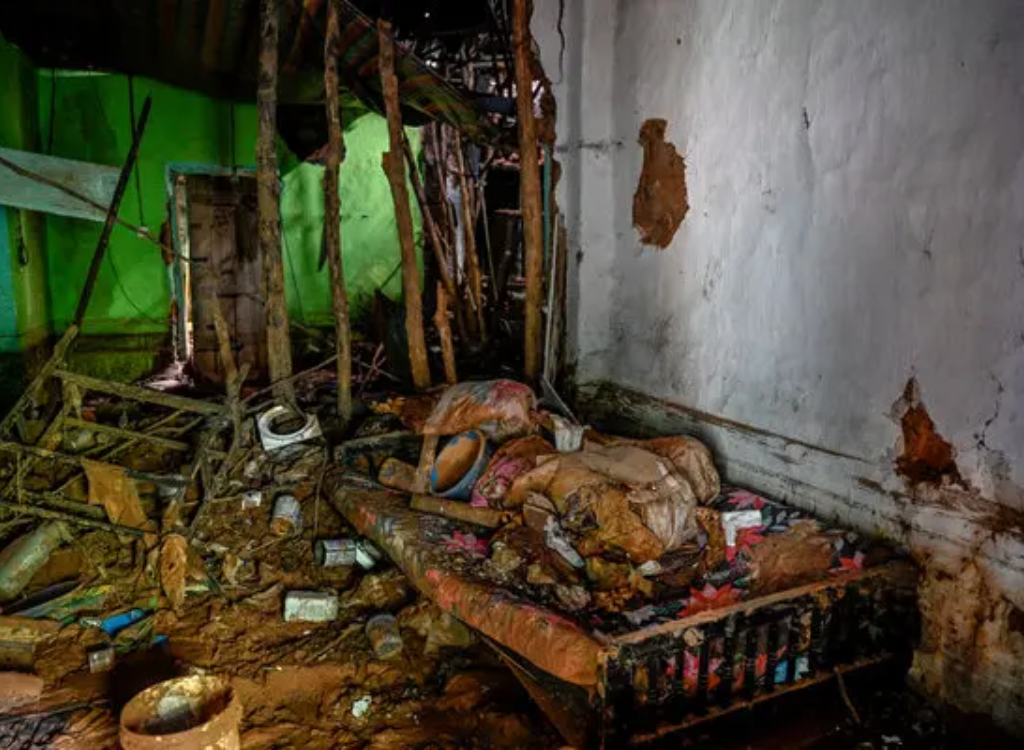
The numbers are eye-watering. Housing assistance alone is projected to exceed Rs.100 billion on the conservative side. More than 5,100 homes have been completely destroyed; if the state cannot provide alternative land, compensation of Rs. 10 million per family will cost another Rs. 50 billion. A further 57,312 homes will require up to Rs. 2.5 million each for repairs, that’s another Rs. 120 billion at least. And that is before a single rupee is counted for the loss of livelihoods, destruction of the plantation sector, washed-out farmlands, or the thousands of SMEs that form the spine of the rural economy.
A staggering bill
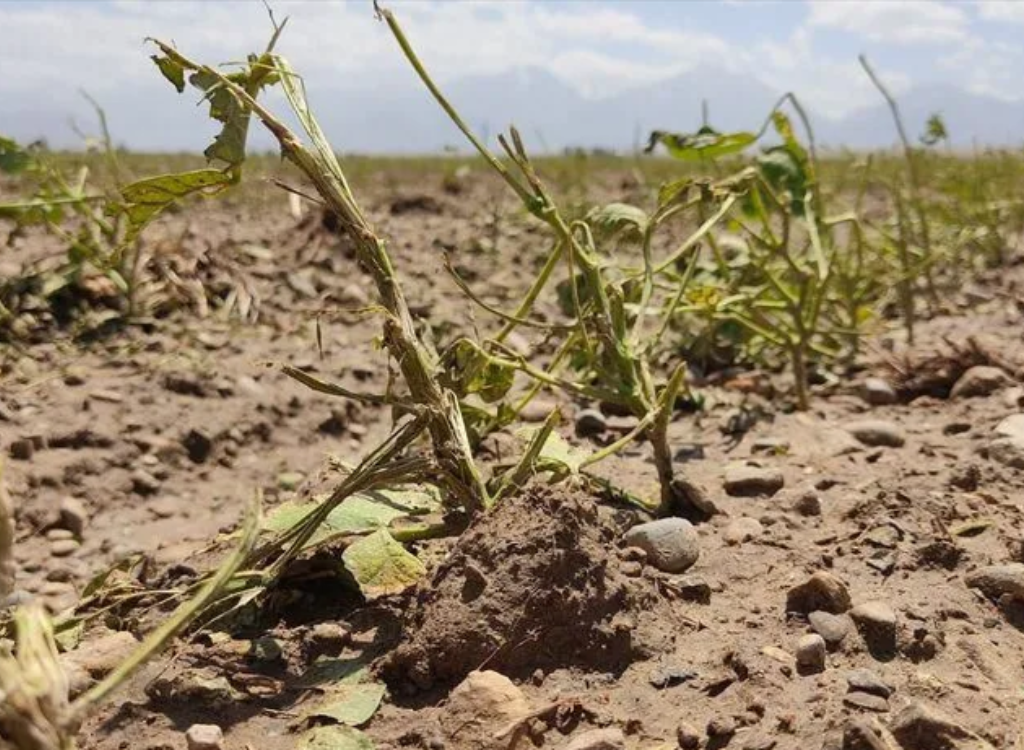
The agricultural bill is staggering: 160,000 hectares damaged, with compensation of Rs. 150,000 per hectare pushing the cost past Rs. 24 billion. Then comes the leviathan: destroyed infrastructure like roads, bridges, dams, hospitals, railway lines, water systems, pipelines, bureaus, and government offices that have either collapsed or been rendered unusable. Experts warn that this portion of the reconstruction could amount to three or even four times the housing cost. With early national damage assessments estimated to be hovering around USD 6-7 billion – nearly 4-5 percent of GDP, the trillion-rupee question that insists on being asked is, where is this money coming from?
The government has requested an additional USD 200 million from the IMF, while the World Bank and ADB have pledged support. But these commitments are nowhere near the scale required. And yet the President spoke as though these extraordinary sums were already comfortably sitting in the Treasury, raising the obvious counter-question: if these funds were available all along, why were they never deployed to ease the unbearable cost of living that has suffocated households for months? Why was relief reserved for a national catastrophe, but not for the slow-motion tragedy of daily economic life for one third of the population that live below the poverty line?
Even though the government has put on a show of solidarity with those affected, that solidarity stops when it comes to matters of money – of the personal kind. While many opposition MPs have pledged their December salaries to the relief effort, not a single MP from the government ranks has followed suit. Even the wealthy NPP party headquarters, so quick to spend on political pageantry, has made no public contribution. If its 159 MPs chose to forgo just one month’s salary, it would amount to a substantial relief donation. But silence prevails.
The cost of failure
Meanwhile, the scale of Cyclone Ditwah dwarfs even the 2004 tsunami. That tragedy affected 13 districts and caused an estimated USD 1.5 billion in damage. A tsunami was something alien to Sri Lanka and the government had only a few hours to react to the news. There was no disaster management plan or a warning system back then. But that is simply not the case with Cyclone Ditwah that struck practically every district, with losses estimated at USD 6–7 billion. The warnings were doing the rounds for at least two weeks compared to the few hours for the tsunami. The comparison is sobering not just for its scale, but for what it reveals: that more than the storm itself, it was Sri Lanka’s own unpreparedness that defeated it.
A Sky News feature chronicling the catastrophe in Gampola shows residents recounting how they dug through mud with their bare hands to retrieve bodies – alone, without assistance, in the dark hours that turned to days when the state was nowhere to be found. Families describe the silence before the storm, not because nature was quiet, but because the authorities did not warn them despite multiple agencies warning the government including the Indian Met Department.
That absence of warning, failure to activate evacuation plans, inability to communicate in the right languages or at the right time, all contributed directly to the heavy death toll which stood at 607 on Friday. There is no politically convenient way to phrase it: lives were lost not simply because Ditwah was severe, but because the state failed to act on the warnings.
The government insists it had no advance notice. Yet every passing day tears another hole through that defence. First came the Met Department Director General’s public warnings almost two weeks prior. Then came international weather channels. Now Indian meteorological sources confirm that Sri Lankan agencies were being updated regularly as the storm intensified. The evidence is stacking into a mountain that no relief package can bury. The failure was systemic, widespread, and preventable, yet the Government lives in denial.
Neglect of disaster mitigation
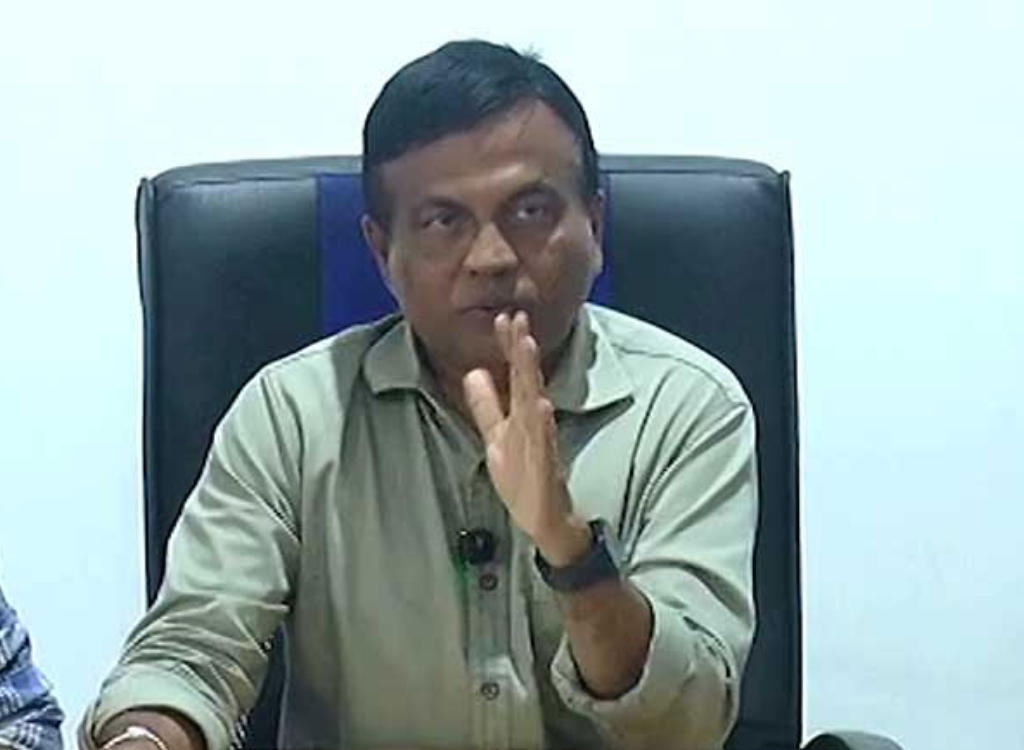
And there is more. The Minister of Public Security told Parliament that police mobile units announced warnings in the hill country. But these messages were broadcast in Sinhala. Most residents in the worst-hit regions speak Tamil. The warnings – even as late as it came – were never expressed in a language they could understand. As one MP put it bluntly, many of those who died could have been saved if the warnings were communicated properly.
The state is accountable not only for the lives lost, but for its own deliberate neglect of disaster planning. Sri Lanka possesses a comprehensive disaster management plan, refined over years of hard lessons from floods, landslides, and droughts. This plan has been approved by Parliament and is now part of the constitutional framework. It outlines, in meticulous detail, the responsibilities of each state entity. Yet no one implemented it. No one even seemed aware of it until the opposition demanded its activation after the storm.
The President insists this is the greatest natural disaster in Sri Lankan history. If so, why was a “state of disaster” not declared sooner – something specifically designed for such events? Why invoke a draconian “state of emergency,” relying on legal provisions drafted during the height of the LTTE war? Why grant sweeping powers to the police and military at a time when public grief is raw and anger is rising? And why, even more disturbingly, has a government deputy minister instructed police to arrest those who criticise the President?
To his credit, the President later distanced himself from these authoritarian threats, claiming emergency regulations would not be used to suppress public speech. But the contradiction remains stark – the government that failed to warn citizens, wants extraordinary authority over their voices.
Devastating economic fallout
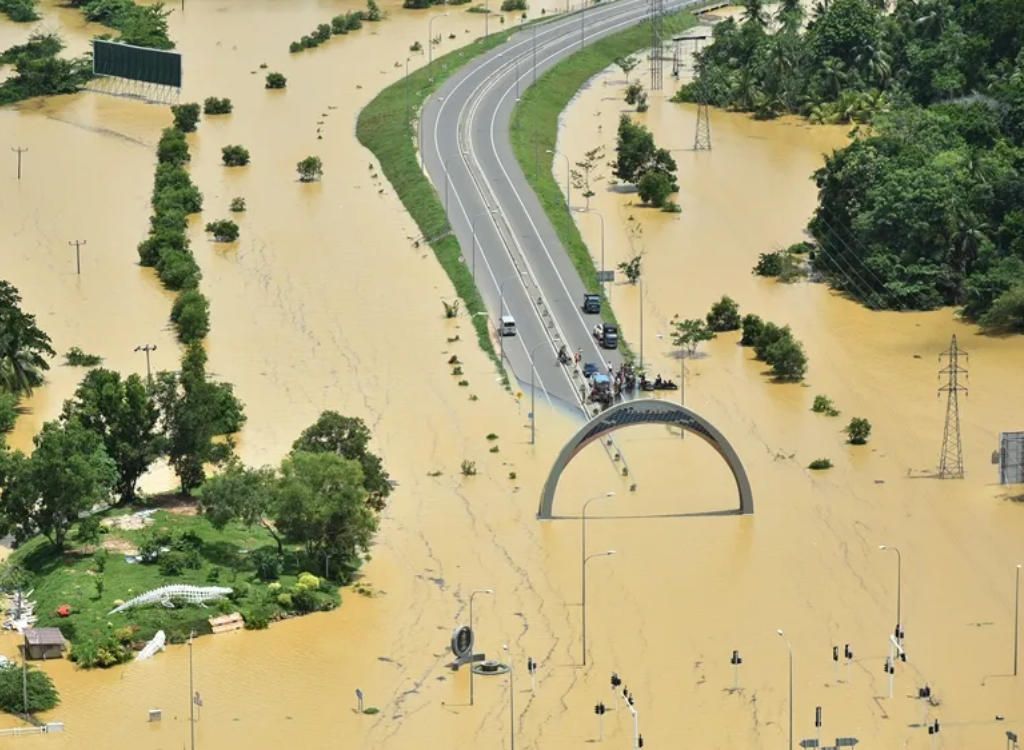
The structural economic fallout is equally devastating. As one economist notes, this is a “national balance-sheet shock.” Nearly 84 percent of GDP is generated in districts impacted by the cyclone. The Western Province, Sri Lanka’s industrial, financial, and logistics core, has suffered crippling damage. Freight and logistics corridors remain broken and cargo costs are likely to rise sharply. To add to the woes, power outages continue to disrupt manufacturing while agricultural cycles have all but been destroyed in key tea-growing belts.
A research firm warns of coming inflation, supply shortages, and declining exports. It draws attention to food security which now hangs in the balance with hundreds of farms destroyed, particularly highland vegetable plots that sustain entire regions. Soil fertility has been compromised by landslides and flooding. An urgent audit of agricultural lands is necessary not merely for reconstruction, but for directing future food policy as the country cannot afford another import-dependent spiral.
Even the transport network, a vital economic artery, has been shattered with the Railway Department announcing that only 478 kilometers of Sri Lanka’s 1,593-kilometre railway system remain usable. The rest lies broken while the cost of restoring these lifelines will run into hundreds of billions of rupees.
The SME sector, which anchors rural family economies, has been devastated. It is conservatively estimated that this sector has suffered asset losses amounting to around Rs. 60-80 billion. Without targeted support, thousands of these businesses will collapse, dragging families and communities down with them. While there is some hope in the announced relief package, what matters now is not the propaganda associated with it, but effective, fair and rapid implementation.
Yet amidst this economic wreckage, a striking tone of political opportunism has begun to surface. Many within the government speak of “transforming the crisis into an opportunity.” One cannot ignore the allure of a leader who rebuilds a country after catastrophe often securing an extended political mandate. The President appears aware of this dynamic. His rhetoric hints at an ambition to turn adversity into triumph.
The challenge ahead
But to do so, he must first overcome the gravest hurdle imaginable: convincing a grieving nation that the state did not abandon it. That cannot be done by distributing cheques. It cannot be achieved by parliamentary speeches or by invoking national unity. It can only be done by demonstrating accountability: real accountability, with consequences.
Where, then, is the investigation or commission of inquiry to probe why the state failed to the extent it did? Where is the identification of what went wrong, who ignored warnings, who failed to communicate, who failed to act? In the absence of such mechanisms the verdict is already clear. Therefore, heads must roll, even at the highest levels, if the government expects to regain credibility. Without an independent and public investigation, no amount of reconstruction will restore public trust. Without accountability, no amount of relief aid will heal the anger that simmers beneath the grief.

The relief and reconstruction fund proposed under private-sector oversight must be grounded in unquestionable legitimacy. It should fall squarely under the ambit of the Auditor General. Yet, the government is yet to clarify these basic requirements. It appears to be increasingly dependent on a select group of wealthy businessmen – the very individuals it vilified before coming to power. The irony of this same leadership praising these businessmen as visionaries guiding the nation, is not lost on the public.
There are also worrying reports of politicised relief distribution. Grassroots organizers aligned with the ruling party are alleged to be hijacking aid and engaging in selective, partisan distribution in devastated villages. There are many such instances doing the rounds on social media. Such practices while morally reprehensible, are a betrayal of national suffering. In many communities across Kandy, Gampola, Nuwara Eliya, and Matale, bodies have yet to be recovered. Villages report dozens missing while little effort is being put in to retrieving these bodies.
Embarrassing contrast with India
The contrast with Tamil Nadu is humiliating. The same storm crossed into Indian territory, where a population of 76 million suffered just three fatalities. Sri Lanka, with one third of that population, lost over 610 lives. This is the difference between being prepared and being indifferent.
A national disaster demands a national response, not one hoarded by a government insecure about its capacity to lead. It requires convening all political parties. It requires engaging intellectuals, scientists, engineers, climatologists, and specialists from every university and professional body. It requires calling an international donor conference. It requires negotiating urgently with the IMF for a moratorium on conditions. It requires a strategy, not a spectacle. Today even though the President is doling out billions in assistance, it is the people who will ultimately have to foot the bill – even the ones receiving it every time they buy something in a shop.
Sri Lanka entered the storm of the century with a constitutionally enabled disaster plan, but not the will to execute it. The warnings were clear, the institutions existed. The vulnerabilities were known and yet the state failed. Therefore, it is obligatory for the state to investigate and get to the bottom of it. If not, it will be the next government that will have to do it.
Now the country must rebuild not only its homes, farms, and railways, but the integrity of its governance because even though the storm has passed, the reckoning has not. Until then, the question will remain, echoing through every flood-damaged village and every grieving household: How many lives were lost not to nature, but to negligence?









Leave a comment