
By The Pulseline News Desk
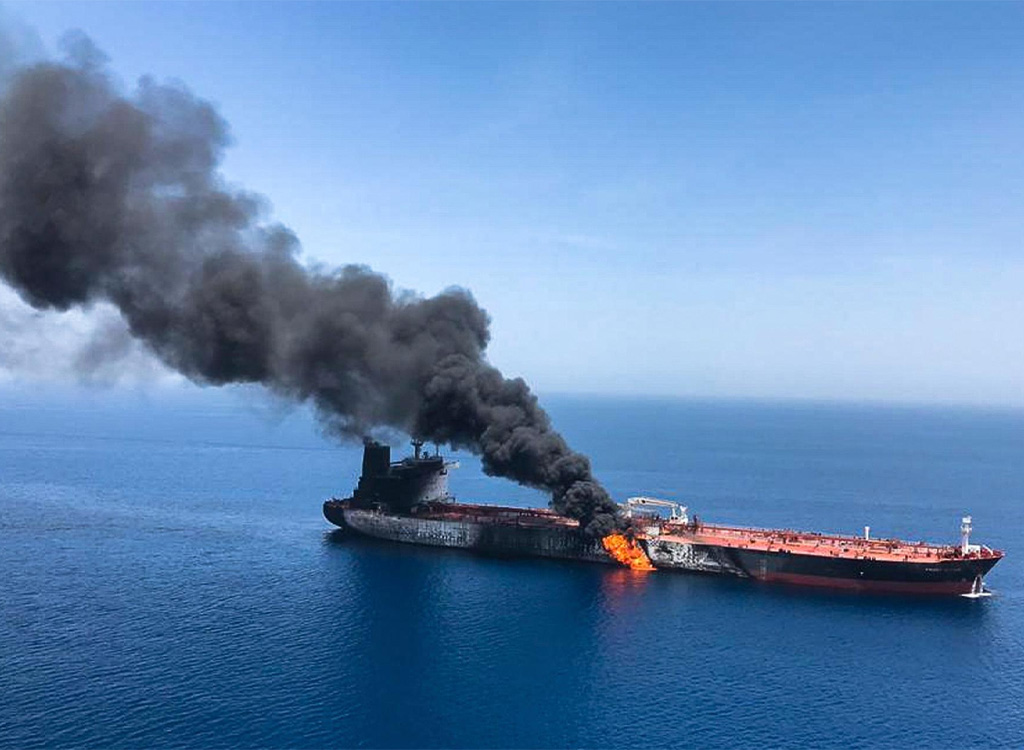
Global oil prices climbed sharply on Monday (20) as escalating conflict between the United States (US) and Iran, coupled with reported explosions involving two oil tankers in the Strait of Hormuz, intensified fears over disruptions to one of the world’s most critical energy corridors.
Brent crude briefly surged above $ 90 a barrel before easing, while US benchmark West Texas Intermediate also recorded strong gains as markets reacted to mounting geopolitical risks.
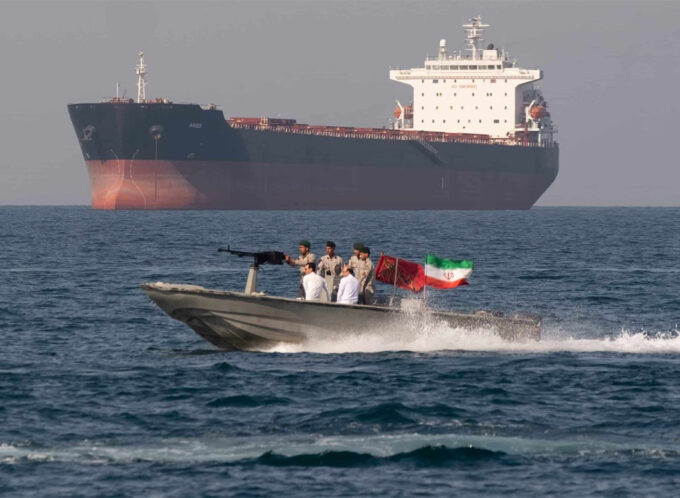
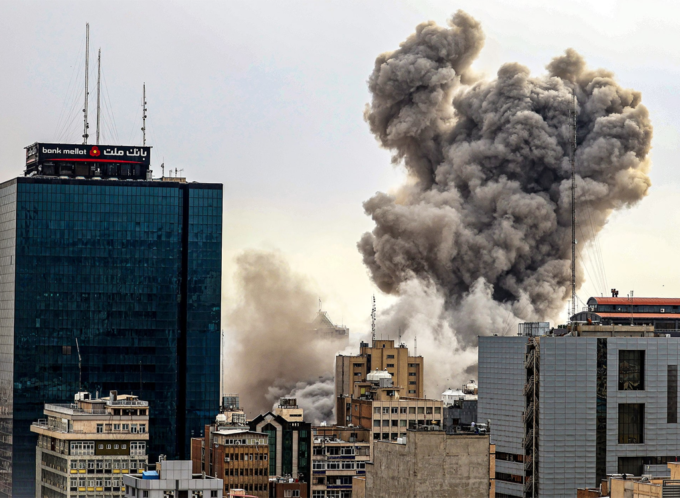
The latest rally came after the US launched a ninth consecutive day of strikes against Iranian targets. Iran’s Islamic Revolutionary Guard Corps (IRGC) claimed that two oil tankers had exploded and been immobilised while attempting to transit what it described as an “unsafe” southern route through the Strait of Hormuz, alleging the vessels had been directed by the US military to use the passage. Reuters said it could not immediately verify the Iranian claims.
Separately, the United Kingdom Maritime Trade Operations (UKMTO) reported receiving a report of a vessel on fire near the Omani coast, although the cause had not been confirmed. The incident added to growing concerns over maritime security in the Gulf.
The Strait of Hormuz carries roughly one-fifth of global seaborne oil supplies, making any disruption to shipping through the narrow waterway an immediate concern for energy markets. Shipping traffic has already slowed significantly in recent days as security risks have escalated.
Energy analysts warn that a prolonged disruption in Hormuz could drive oil prices even higher, increase freight and insurance costs, and fuel global inflation. Oil-importing countries such as Sri Lanka would be particularly vulnerable, facing higher fuel import bills, increased pressure on foreign exchange reserves and rising costs across transport, electricity generation and essential goods.
With hostilities showing little sign of easing, markets are expected to remain highly sensitive to developments in the Gulf, where the security of energy supplies has once again become a central concern for the global economy.
(With input from news agencies)









Leave a comment