
By The Pulseline News Desk
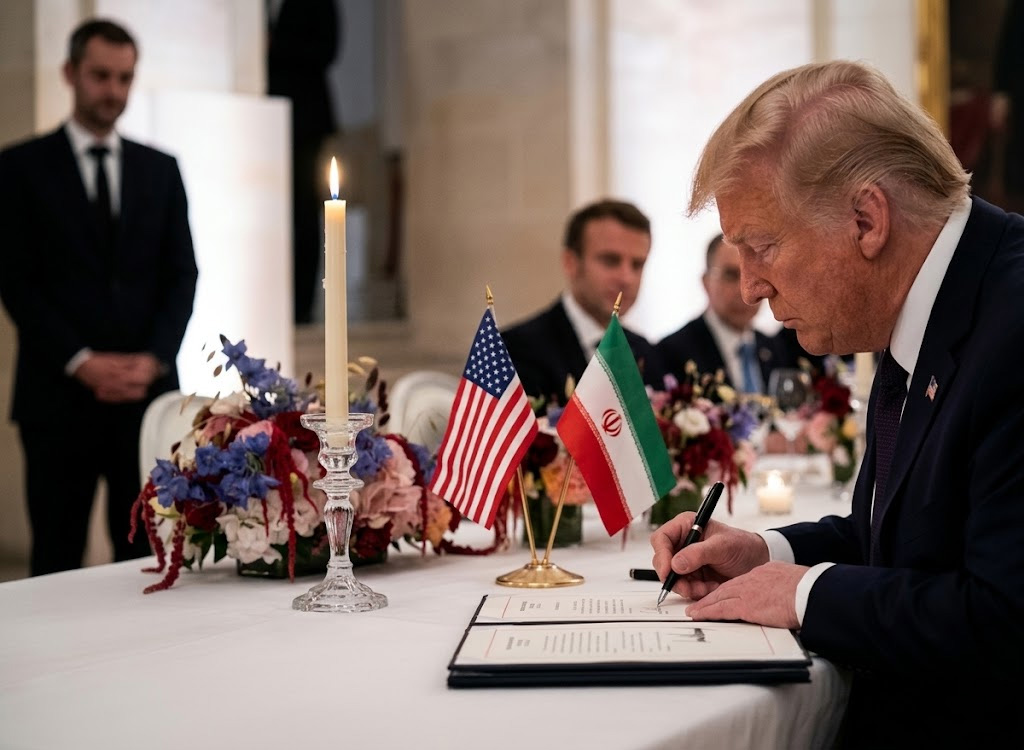
The United States (US) on Wednesday released the full text of a memorandum of understanding (MOU) reached with Iran over the weekend, outlining a framework for ending hostilities, reopening the Strait of Hormuz, easing sanctions, and launching negotiations aimed at a comprehensive agreement on Iran’s nuclear program.
The document, formally titled the Islamabad Memorandum of Understanding between the United States of America and the Islamic Republic of Iran, was made public after criticism from lawmakers and analysts who argued that the agreement’s details should be disclosed before implementation began.
A senior US administration official described the 14-point memorandum as a roadmap designed to reduce regional tensions while creating incentives for Iranian cooperation.
“This is fundamentally an agreement that allows us to open the Strait of Hormuz immediately, commit the Iranians to addressing their nuclear stockpiles, and then gives us a mechanism where increased Iranian compliance is met with expanded economic and sanctions relief,” the official said.
The memorandum is scheduled to be formally signed on Friday (19), triggering a 60-day negotiating period during which both sides will attempt to finalize a broader and legally binding agreement.
Immediate end to military operations
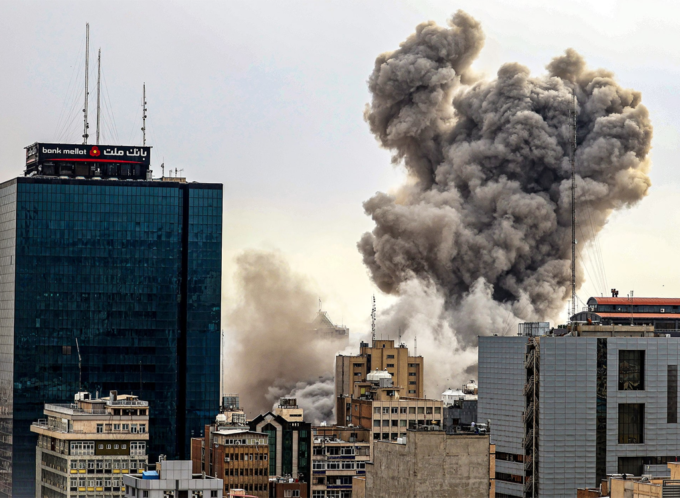
At the heart of the agreement is a commitment by both countries and their respective allies to permanently halt military operations against one another. The memorandum calls for the immediate termination of hostilities across all fronts, including Lebanon, and pledges that neither side will threaten or use force against the other.
The agreement also includes mutual commitments to respect sovereignty, territorial integrity, and non-interference in domestic affairs.
Negotiators are tasked with transforming these commitments into a final agreement within 60 days, although the timeline can be extended by mutual consent.
Reopening the Strait of Hormuz
One of the most consequential provisions concerns maritime security and global energy markets.
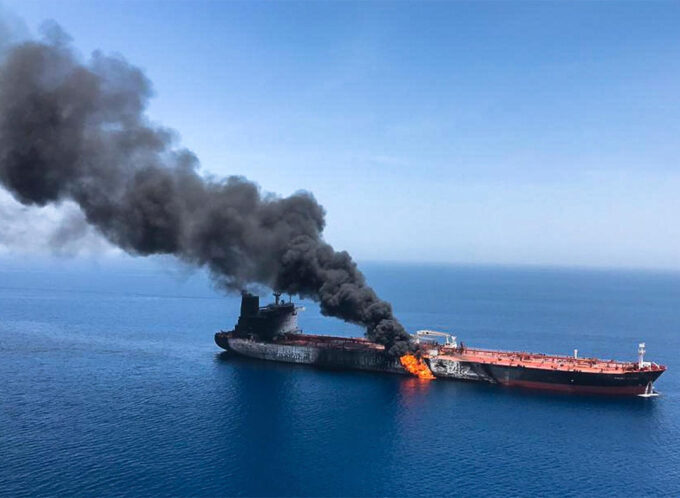
Under the memorandum, Washington has agreed to begin lifting what Tehran describes as a naval blockade and to remove military impediments affecting Iran within 30 days. The US also pledged to withdraw forces from areas near Iran after a final agreement is concluded.
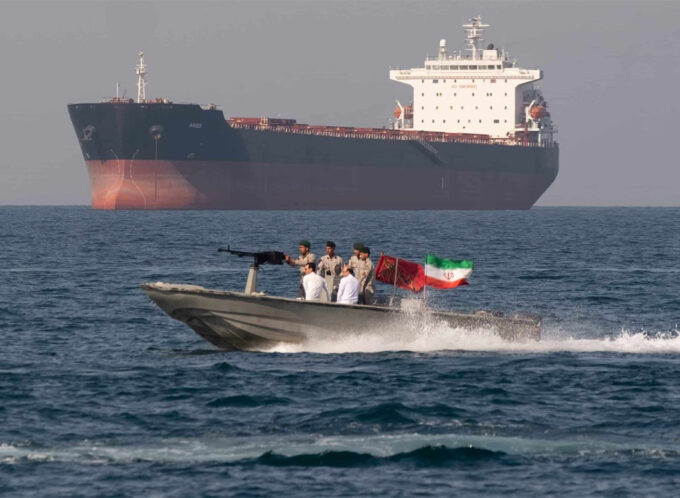
In return, Iran committed to ensuring the safe passage of commercial shipping through the Strait of Hormuz and surrounding waterways for at least 60 days without imposing charges. Commercial traffic is expected to resume immediately, while demining and other technical measures are completed over the following month.
The agreement further calls for discussions involving Oman and other Gulf states on the future administration and maritime services of the strategic waterway.
Massive reconstruction and economic package
The memorandum envisions an ambitious economic component.
The US pledged to work with regional partners on a reconstruction and development plan worth at least $300 billion for Iran. Details of the financing mechanism are to be finalised during negotiations on the final agreement.
Washington also committed to issuing licenses, waivers, and authourisations needed to facilitate associated financial transactions.
Sanctions relief and access to frozen assets
Perhaps the most significant concession for Tehran is Washington’s pledge to pursue the termination of a broad range of sanctions.
The memorandum states that the US will work toward ending United Nations Security Council measures, International Atomic Energy Agency resolutions, and unilateral US sanctions under a mutually agreed timetable.
Pending a final agreement, the US Treasury Department would issue waivers allowing exports of Iranian crude oil, petroleum products, and related services, including banking, insurance, and transportation.
The document also commits Washington to making frozen or restricted Iranian funds available for use and to issuing licenses necessary to facilitate access to those assets.
Nuclear commitments
The memorandum reaffirms Iran’s long-standing position that it will not seek to acquire or develop nuclear weapons.
Both sides agreed to negotiate the future disposition of Iran’s stockpiles of enriched nuclear material, with the minimum requirement being on-site down-blending under the supervision of the International Atomic Energy Agency.
The agreement leaves unresolved the broader question of uranium enrichment, stating only that the issue and other nuclear matters will be addressed during negotiations toward a final settlement.
Until a permanent agreement is reached, Iran has pledged to maintain the current status of its nuclear programme, while the US agreed not to impose new sanctions or deploy additional forces to the region.
Oversight and international backing
The memorandum provides for the creation of an executive mechanism to monitor implementation and verify compliance with both the interim arrangement and any future agreement.
Should negotiators succeed in reaching a final accord, the document states that it would be endorsed through a binding resolution of the United Nations Security Council.
A high-stakes diplomatic gamble
The agreement represents one of the most far-reaching diplomatic understandings between Washington and Tehran in years, linking regional security, energy flows, economic normalisation, and nuclear restrictions into a single negotiating framework.
Whether the ambitious timetable can be met remains uncertain. Major questions surrounding sanctions removal, Iran’s nuclear activities, regional security arrangements, and implementation mechanisms are still unresolved.
For now, however, both governments appear committed to using the memorandum as a foundation for negotiations that could reshape relations between the two longtime adversaries and alter the strategic landscape of the Middle East.
(With input from news agencies)









Leave a comment